Chinese
 français
 Deutsch
 italiano
 español
 português
 Nederlands
 日本語
日本語 한국의
한국의




- Conductive Materials for Lithium Batteries: CNT vs Graphene Guide
- Step-by-Step Guide to Partnering with a Sodium-Ion Battery Technology Developer in China
- A Complete Guide to Implementing Industrial Solid State Battery Technology in Manufacturing
- How to Select a Professional Battery Equipment Provider for High-Volume Production
- Guide to Procuring High-Quality Lithium Battery Coating Machines from Chinese Manufacturers
Main Causes of Pouch Cell Sealing Leakage
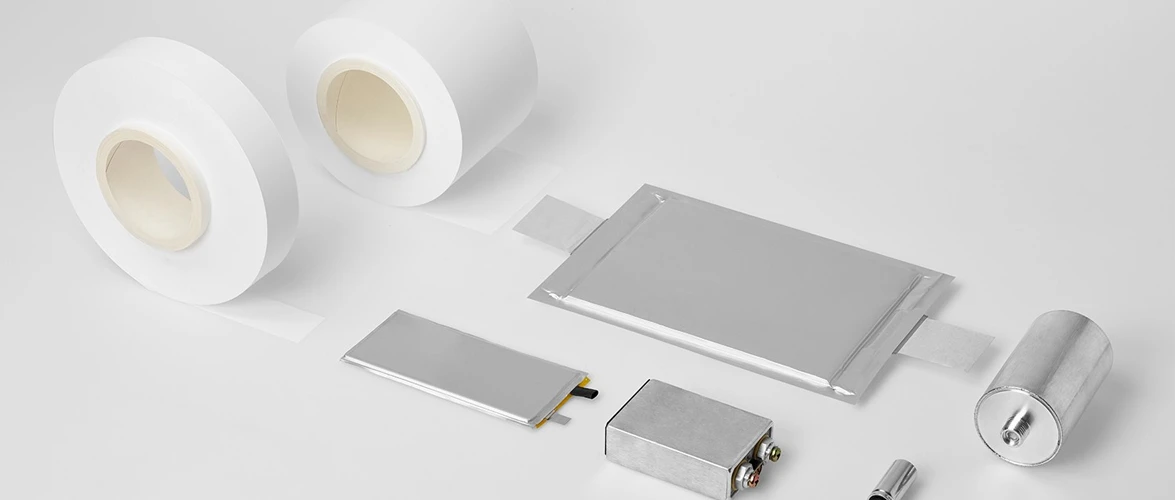
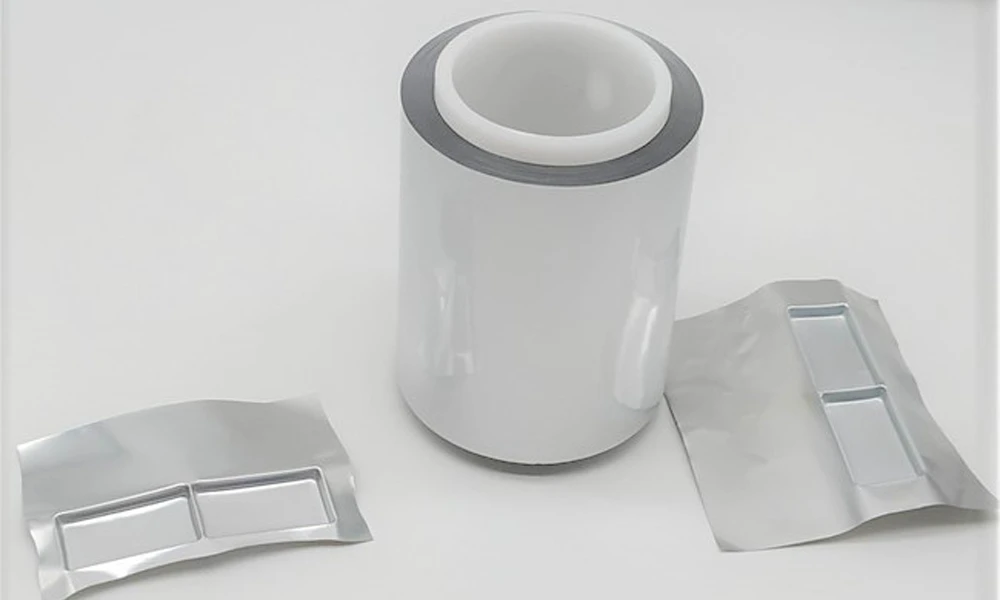
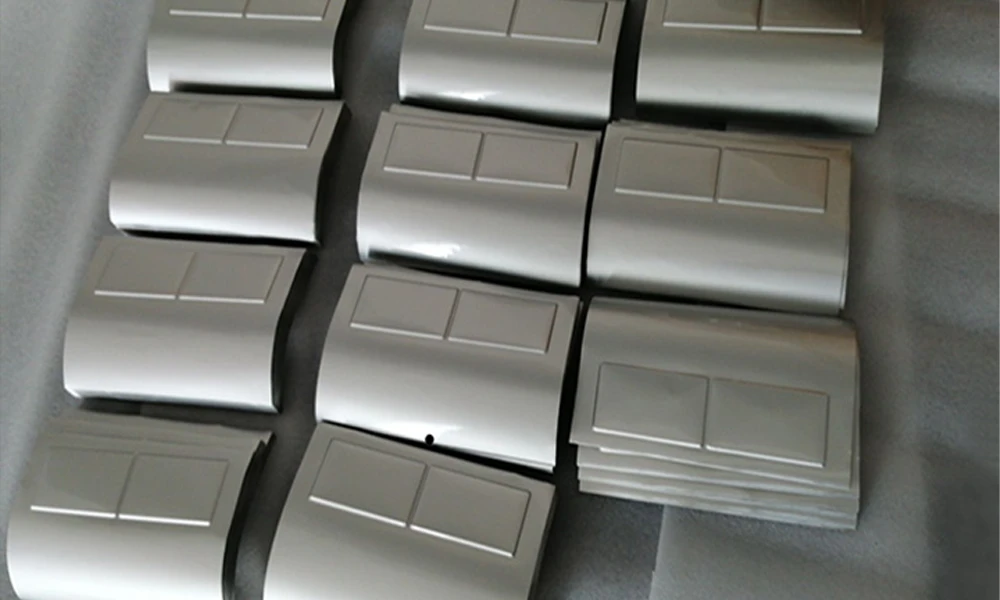
Pouch cell batteries are widely used in consumer electronics, electric vehicles, and energy storage systems because of their high energy density, lightweight structure, and flexible design. Compared with cylindrical and prismatic cells, pouch cells use laminated aluminum laminated film as the outer packaging instead of a rigid metal case. This structure allows better space utilization and lower weight, but it also makes the sealing process much more critical. Any defect in the sealing area may lead to electrolyte leakage, moisture ingress, gas escape, or internal contamination, which can seriously affect battery performance, safety, and cycle life. For this reason, sealing quality control is one of the most important steps in pouch cell manufacturing.
Sealing leakage in pouch cells is rarely caused by a single factor. In most cases, it is the result of interactions between process parameters, material properties, equipment condition, and environmental factors. Even when each parameter appears to be within specification, small deviations can combine to create weak sealing interfaces or microscopic leakage paths. From an engineering perspective, leakage causes can be broadly categorized into three groups: process-related issues, material-related defects, and contamination or handling problems. Understanding how these factors affect the sealing interface is essential for identifying root causes and implementing effective countermeasures.
1. Process-Related Causes
The heat sealing process is highly sensitive to temperature, pressure, and time. These three parameters determine whether the inner polymer layer of the pouch film can fully melt, flow, and bond into a continuous interface. If any of these parameters are not properly controlled, sealing defects can occur.
One common issue is insufficient sealing temperature. When the temperature is too low, the inner sealing layer does not melt completely, resulting in weak bonding and poor adhesion. Although the seal may appear intact visually, the interface may contain micro-voids that can later develop into leakage paths. Conversely, excessive temperature can degrade the polymer or damage the adhesive layer between the aluminum foil and the outer film, reducing mechanical strength and causing delamination over time.
Pressure is equally important. Insufficient pressure prevents the molten polymer from fully contacting and filling surface irregularities, while excessive pressure can squeeze out the molten layer, reduce sealing thickness, or even damage the aluminum layer. Uneven pressure distribution across the sealing area can create regions of inconsistent bonding strength, which are particularly prone to leakage under mechanical stress.
Sealing time also plays a critical role. If the dwell time is too short, the polymer may not have enough time to flow and bond properly. If it is too long, overheating or material deformation may occur. In high-speed production lines, maintaining consistent sealing time across all cells becomes more challenging, increasing the risk of variability in seal quality.
2. Material-Related Causes
The quality and consistency of the aluminum laminated film directly affect sealing performance. Variations in film thickness, coating uniformity, or adhesive bonding between layers can lead to inconsistent sealing behavior. For example, if the inner sealing layer has uneven thickness, some areas may melt and bond properly while others remain under-sealed.
Defects in the film, such as pinholes, scratches, or micro-cracks, can also create leakage paths. These defects may originate during film manufacturing, transportation, or handling. Even if the sealing process is well controlled, a defective film cannot provide reliable barrier performance.
Material compatibility is another important factor. The sealing behavior depends on the melting characteristics of the inner polymer layer. If different batches of film have slightly different melting temperatures or compositions, the same sealing parameters may not produce consistent results. This is particularly critical in large-scale production, where small variations in material properties can lead to significant differences in yield.
Electrode and tab materials can also influence sealing quality. The presence of metal tabs in the sealing area introduces discontinuities in the interface. If the sealing parameters are not optimized for these regions, gaps or weak bonding may occur around the tabs, making them a common source of leakage.
3. Contamination and Handling Issues
Contamination in the sealing area is one of the most frequent causes of leakage in real production environments. Substances such as electrolyte residue, dust particles, or electrode debris can prevent proper bonding between the polymer layers. Even a small amount of contamination can create a micro-channel that allows gas or liquid to pass through the seal.
Electrolyte contamination is particularly problematic. During filling and handling, small amounts of electrolyte may spread to the sealing area. Because electrolyte components can interfere with polymer bonding, their presence can significantly reduce sealing strength. In some cases, the seal may initially appear acceptable but fail during storage or cycling due to chemical interaction at the interface.
Improper handling can also damage the pouch film before sealing. Scratches, folds, or mechanical deformation can weaken the film structure, making it more susceptible to leakage. Misalignment during sealing may result in uneven pressure distribution or incomplete sealing width, further increasing the risk of defects.
4. Equipment and Tooling Factors
The condition and design of sealing equipment also play a significant role. Worn or contaminated sealing heads can lead to uneven temperature distribution or inconsistent pressure. If the heating element does not maintain a stable temperature across the entire sealing width, some areas may be under-sealed while others are overheated.
Tooling alignment is another critical factor. Misaligned sealing jaws can create uneven pressure distribution, leading to weak bonding in certain regions. In addition, insufficient control of cooling after sealing can affect the crystallization and solidification of the polymer layer, influencing final seal strength.
5. Summary of Leakage Causes
The main causes of pouch cell sealing leakage can be summarized as follows:
- Improper heat sealing parameters (temperature, pressure, time)
- Variations or defects in aluminum laminated film
- Contamination in the sealing area (electrolyte, dust, particles)
- Mechanical damage or misalignment during handling
- Equipment instability or poor maintenance
In practice, leakage is often the result of multiple factors acting together rather than a single isolated issue. For example, a slightly low sealing temperature combined with minor contamination may be enough to create a leakage path that would not occur if either factor were controlled independently.
TOB NEW ENERGY is a leading provider of one-stop battery manufacturing solutions, covering pouch cell lab lines, pilot lines, and pouch cell production lines. Our services include customized battery equipment supply, process optimization, battery material support, and technical training for battery engineers and R&D teams worldwide.
 subscribe to us