Chinese
 français
 Deutsch
 italiano
 español
 português
 Nederlands
 日本語
日本語 한국의
한국의




Categories
new blog
- Tabless Cylindrical Battery Manufacturing Guide
- China Power Battery Market Report 2026 H1: Six Trends Reshaping Battery Equipment Demand
- Turnkey Solid-State Battery Lab Setup Guide
- Conductive Materials for Lithium Batteries: CNT vs Graphene Guide
- Step-by-Step Guide to Partnering with a Sodium-Ion Battery Technology Developer in China
6 Lithium-ion Battery Types —— Lithium Cobalt Oxide
Jul 23 , 2020
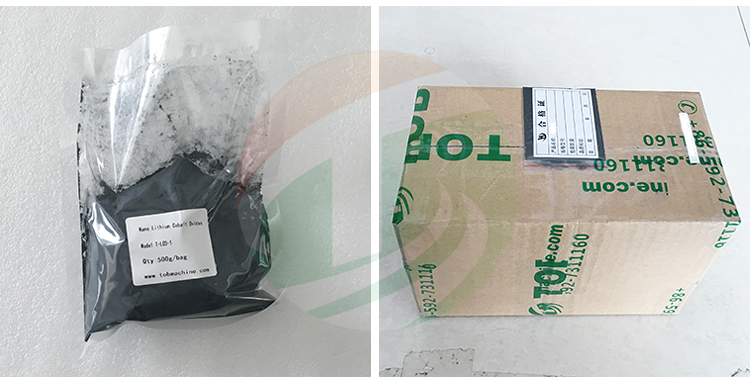
Lithium cobalt oxide battery is composed of cobalt oxide cathode and graphite carbon anode. The LCO cathode has layered structure, during discharge, lithium ions move from anode to cathode, with the flow reversing when the battery is charging. Its high specific energy makes lithium cobalt oxide battery a popular choice for mobile phones, laptops and digital cameras.
The disadvantages of lithium cobalt oxide batteries are relatively short life, low thermal stability and limited load capacity. Like other cobalt-mixed lithium ion batteries, lithium cobalt oxide uses a graphite anode, and its cycle life is mainly limited by the solid electrolyte interface (SEI). It is mainly manifested in the gradual thickening of SEI films and the anode lithium plating during rapid charging or low temperature charging. Lithium cobalt oxide batteries should not be charged and discharged at a current higher than their capacity. This means that an 18650 battery with a 2,400mAh can only be charged and discharged at less than or equal to 2,400mA. Forced rapid charging or a load greater than 2400mA can lead to overheating and excessive stress.
Lithium cobalt oxide is being gradually replaced by lithium manganese oxide, especially NMC cathode and NCA cathode, due to the high cost of cobalt and the significant performance improvement through mixing with other cathode active materials.
The disadvantages of lithium cobalt oxide batteries are relatively short life, low thermal stability and limited load capacity. Like other cobalt-mixed lithium ion batteries, lithium cobalt oxide uses a graphite anode, and its cycle life is mainly limited by the solid electrolyte interface (SEI). It is mainly manifested in the gradual thickening of SEI films and the anode lithium plating during rapid charging or low temperature charging. Lithium cobalt oxide batteries should not be charged and discharged at a current higher than their capacity. This means that an 18650 battery with a 2,400mAh can only be charged and discharged at less than or equal to 2,400mA. Forced rapid charging or a load greater than 2400mA can lead to overheating and excessive stress.
Lithium cobalt oxide is being gradually replaced by lithium manganese oxide, especially NMC cathode and NCA cathode, due to the high cost of cobalt and the significant performance improvement through mixing with other cathode active materials.
 subscribe to us