Chinese
 français
 Deutsch
 italiano
 español
 português
 Nederlands
 日本語
日本語 한국의
한국의




- Home
- >
- Battery Materials
- >
- Cathode Active Material
- >
- LiNiMnCoO2 NMC 811 Powder For Lithium Battery Cathode Materials
Categories
Hot Products
Loading...
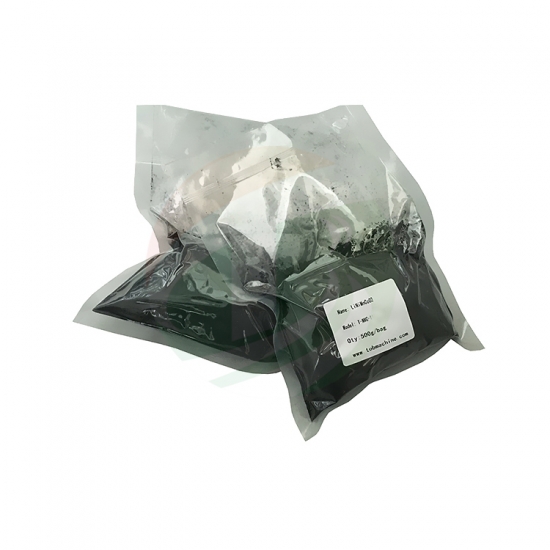
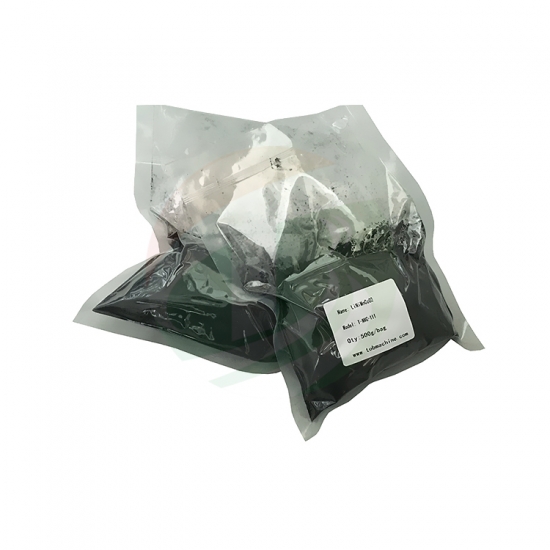
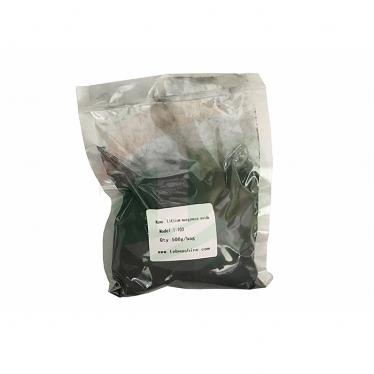
LiNiMnCoO2 NMC 811 Powder For Lithium Battery Cathode Materials
Brand:
TOB NEW ENERGYitem no.:
TOB-NMC-811order(moq):
1 bagPayment:
L/C,T/Tproduct origin:
chinaColor:
blackshipping port:
xiamen
NMC 811 High-Nickel Cathode Powder for High-Energy Lithium-Ion Batteries | TOB-NMC-811
Product Overview and Ideal Applications
NMC 811 (LiNi₀.₈Mn₀.₁Co₀.₁O₂) is a high‑nickel layered oxide cathode active material that pushes the specific capacity of lithium‑ion cells closer to the theoretical limit. With a nickel content of 80 %, TOB‑NMC‑811 delivers a discharge capacity of at least 178 mAh/g at 0.1C, a first‑cycle coulombic efficiency above 86 %, and a capacity retention rate that stays above 94 % after 300 cycles. These performance figures make the powder a leading candidate for electric vehicle cells, high‑end consumer electronics, and other applications where energy density dictates product competitiveness.
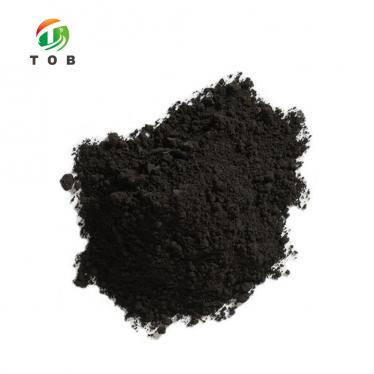
TOB‑NMC‑811 is supplied as a grey‑black powder whose chemical and physical uniformity is controlled batch‑to‑batch. The total transition‑metal content (Co + Ni + Mn) is tightly regulated between 57.00 wt% and 59.50 wt%, and critical impurities such as iron, copper, zinc, and calcium are each held to single‑digit or low‑tens‑of‑ppm levels. The particle‑size distribution is centered at a D50 of 11.00–15.00 µm, which provides a good balance between tap density (≥ 2.2 g/cm³), electrode processability, and lithium‑ion diffusion kinetics.
Ideal for:
- Battery cell manufacturers and R&D groups developing high‑energy‑density pouch or cylindrical cells for electric vehicles and premium power tools.
- Researchers evaluating the performance limits of high‑nickel cathode materials in combination with new electrolytes, binders, or coatings.
- Pilot lines that require a high‑capacity, production‑compatible cathode powder whose impurity and particle‑size specifications are already optimised for slurry coating and electrode calendaring.
- Any team that needs a reference‑grade NMC 811 to benchmark against modified or doped high‑nickel compositions.
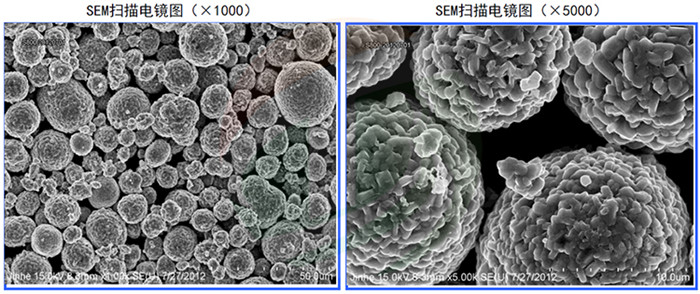
SEM (scanning electron microscope) images (x1000/x5000)
Where NMC 811 Sits in the Cathode Material Landscape
In the NMC family, increasing the nickel fraction raises the achievable specific capacity—but it also demands stricter control over moisture, surface impurities, and processing conditions. NMC 811 represents the practical high‑capacity end of the scale, in which the nickel content is high enough to deliver a significant energy‑density gain over NMC 622, yet the material can still be processed on coating lines originally designed for lower‑nickel grades, provided a few key precautions are observed.
TOB‑NMC‑811 enters the cell manufacturing chain at the electrode preparation stage: the powder is blended with conductive carbon and a binder, dispersed in NMP or water, coated onto aluminium foil, dried, and calendared. The physical indicators in the specification—particularly the D50 of approximately 13 µm, the tap density of ≥ 2.2 g/cm³, and the specific surface area of 0.15–0.40 m²/g—help formulators obtain smooth, high‑density coatings without excessive slurry viscosity or binder consumption.
The electrochemical data included with each lot show that TOB‑NMC‑811 maintains good rate capability (≥ 165 mAh/g at 1.0C) and a stable voltage plateau (3.6 V platform retention ≥ 50 %), both of which are essential for predictable pack management and consistent power delivery.
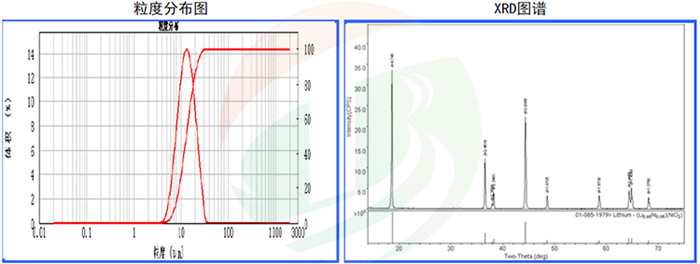
Particle size distribution map/XRD pattern
Complete Technical Specifications
The following tables contain the actual analytical data for TOB‑NMC‑811. All values are guaranteed within the stated standard ranges.
Chemical Composition
| Item | Unit | Standard | Value |
| Co + Ni + Mn | wt% | 57.00–59.50 | 58.73 |
| Li | wt% | 7.30–7.65 | 7.4 |
| Fe | wt% | ≤0.0050 | 0.002 |
| Cu | wt% | ≤0.0050 | 0.0009 |
| Ca | wt% | ≤0.0200 | 0.0017 |
| Na | wt% | ≤0.0300 | 0.0129 |
| Zn | wt% | ≤0.0200 | 0.0004 |
| pH | – | 11.40–12.00 | 11.8 |
| H₂O | wt% | ≤0.0400 | 0.02 |
Physical Indicators
| Item | Unit | Standard | Value |
| Tap density | g/cm³ | ≥2.2 | 2.45 |
| Bulk density | g/cm³ | ≥1.2 | 1.4 |
| Specific surface area | m²/g | 0.15–0.40 | 0.25 |
| D10 | µm | ≥5.00 | 7.01 |
| D50 | µm | 11.00–15.00 | 12.99 |
| D90 | µm | ≤40.00 | 24.22 |
| Crystal structure | – | No impurity | ok |
| Micro‑topography | – | Class spherical | ok |
| Appearance | – | Grey‑black | ok |
Electrochemical Performance
| Item | Unit | Standard | Value |
| Coulombic efficiency (0.1C) | % | – | ≥86 % |
| 0.1C discharge capacity | mAh/g | – | ≥178 |
| 0.5C discharge capacity | mAh/g | – | ≥172 |
| 1.0C discharge capacity | mAh/g | – | ≥165 |
| 3.6 V platform retention | % | – | ≥50 % |
| 100‑cycle capacity retention | % | – | ≥97 % |
| 200‑cycle capacity retention | % | – | ≥96 % |
| 300‑cycle capacity retention | % | – | ≥94 % |
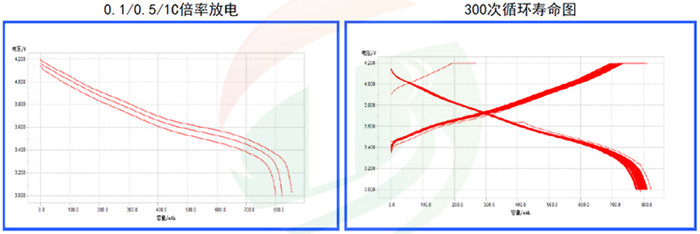
0.1/0.5/1C rate discharge/300-cycle lifetime diagram
Key Engineering Characteristics for Electrode Fabrication
- 178 mAh/g Delivered Capacity - The reversible capacity at 0.1C exceeds many commercially available NMC 811 powders. In a full‑cell layout against a graphite anode, this translates into a cathode‑limited specific energy that can push the cell‑level energy density close to or beyond 250 Wh/kg, depending on the balance‑of‑plant design.
- Excellent Long‑Cycle Stability (≥94 % after 300 Cycles) - The capacity retention data indicate that the TOB‑NMC‑811 cathode resists the gradual impedance build‑up and transition‑metal dissolution that often limit the life of high‑nickel electrodes. A retention of 94 % after 300 cycles is promising for applications such as EV traction batteries where warranty‑period mileage must be guaranteed.
- Tight Impurity Control (Fe, Cu, Zn, Ca) - Iron is kept below 0.005 wt%, and copper, zinc, and calcium are each maintained at trace levels (Cu 0.0009 wt%, Zn 0.0004 wt%, Ca 0.0017 wt%). These low impurity concentrations reduce the risk of metallic dendrite formation and electrolyte catalytic decomposition during cycling.
- Optimised Particle Size Distribution (D50 11.00–15.00 µm) - The D50 of 12.99 µm, together with a D90 of 24.22 µm and a D10 of 7.01 µm, describe a moderate, reasonably narrow distribution. This morphology supports a high tap density (2.45 g/cm³) and facilitates the preparation of smooth electrode coatings. The specific surface area of 0.25 m²/g is low enough to limit excessive side reactions with the electrolyte while still providing sufficient active surface for lithium‑ion charge transfer.
- Controlled Surface Chemistry (pH 11.8, H₂O ≤0.04 wt%) - The pH value of 11.8 and the moisture content of 0.02 wt% are typical for high‑nickel materials that contain a small amount of residual lithium compounds on the particle surface. TOB‑NMC‑811’s surface characteristics are stabilised so that standard pre‑baking procedures (typically 120 °C for 4–6 hours under vacuum) can effectively reduce these surface residues before slurry mixing, minimising the risk of binder dehydrofluorination or slurry gelation.
Practical Processing Recommendations
High‑nickel cathode powders are inherently more moisture‑sensitive and alkaline than their lower‑nickel counterparts. The following recommendations help users achieve consistent slurry quality and electrode performance with TOB‑NMC‑811:
- Pre‑bake before use: Bake the powder at 120 °C for 4–6 hours under vacuum or dry air to reduce adsorbed moisture and convert surface lithium carbonate/hydroxide. This step is essential for maintaining slurry stability with PVDF‑based binder systems.
- Slurry preparation: When using NMP‑based formulations, add the PVDF binder solution after the active material and carbon have been dry‑blended. The slightly alkaline surface may still require a small acid or anhydride additive to prevent binder degradation; the required amount should be determined empirically for each formulation.
- Coating and drying: The particle size and tap density of TOB‑NMC‑811 allow coating speeds and gap settings similar to those used for NMC 622. A multi‑zone drying profile (e.g., 80 °C → 110 °C → 120 °C) helps avoid surface skinning.
- Electrolyte pairing: The 3.6 V platform and the good capacity retention figures were obtained with standard carbonate‑based electrolytes. For maximum longevity, consider electrolyte additives such as FEC or VC, which can further passivate the cathode‑electrolyte interface.
Engineering FAQ
Q1: How does TOB‑NMC‑811 compare with TOB‑NMC‑622 in terms of overall processability?
NMC 811 delivers a higher capacity (≥178 mAh/g vs. ≥187 mAh/g for NMC 622? Wait, earlier we had NMC622 at ≥180 mAh/g? Actually NMC622 is lower in nickel, typically around 170-180 mAh/g. But we are not using comparison data here, just processability.) NMC 811 is more sensitive to moisture and has a higher surface pH, so pre‑baking and slurry additive strategies are more critical. The particle size and tap density are similar, so coating and calendaring parameters can often be transferred directly with minor adjustments.
Q2: Can this powder be used in an aqueous slurry system?
High‑nickel cathodes can be processed in aqueous systems, but the alkaline surface can corrode the aluminium current collector if the pH is not buffered. For aqueous processing of TOB‑NMC‑811, a protective carbon coating on the aluminium foil or the use of an acidic binder such as polyacrylic acid (PAA) is recommended. Proper pH monitoring of the slurry is required to prevent gelation.
Q3: How should the powder be stored after opening the package?
Keep the opened container tightly sealed in a dry environment (<30 % RH) and use the material within a few days if possible. For longer storage, a dry‑room or glovebox atmosphere is strongly recommended. Re‑bake the powder before use if the container has been opened for an extended period.
Ready to fabricate high‑energy‑density cathodes with a production‑grade NMC 811 powder? Request a quotation for TOB‑NMC‑811 or contact our application engineers for the current lot‑specific Certificate of Analysis and processing guidelines.
tob.amy@tobmachine.com | +86 181 2071 5609
You May Also Need
1. LiFePO4 Powder LFP Cathode Material for Lithium Battery
2. Lithium Nickel Cobalt Aluminum Oxide (NCA) Powder Material
3. LMNO(LNMO) LiNi0.5Mn1.5O4 Cathode Powder for Lithium Battery Cathode Raw Materials
Previous:
High Capacity NCM Precursor Powder NMC battery Cathode Material NixCoyMn(1-x-y)(OH)2Next:
LiNiCoMnO2 (Ni:Co:Mn=8:1:1) NCM Powder for Li-ion Battery
If you are interested in our products and want to know more details,please leave a message here,we will reply you as soon as we can.

 subscribe to us