Chinese
 français
 Deutsch
 italiano
 español
 português
 Nederlands
 日本語
日本語 한국의
한국의




- Home
- >
- Battery Materials
- >
- Cathode Active Material
- >
- Manganese dioxide MnO2 powder
Categories
Hot Products
Loading...
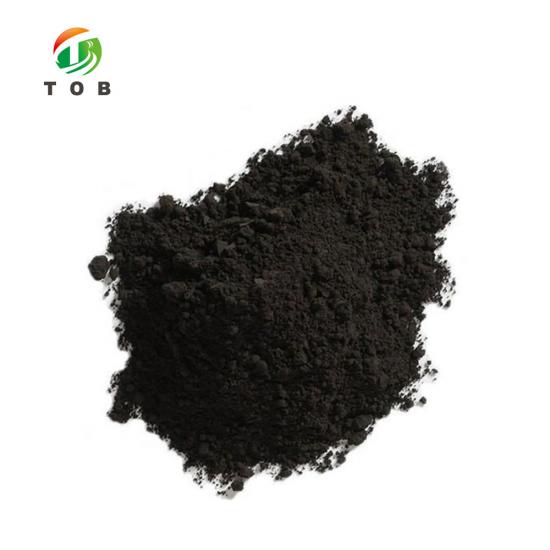
Manganese dioxide MnO2 powder
Brand:
TOB NEW ENERGYitem no.:
TOB-MnO2order(moq):
1Payment:
L/C,T/Tproduct origin:
Chinashipping port:
XIAMEN
TOB-MnO₂ High-Purity Manganese Dioxide Powder for Battery Electrode Research and Material Synthesis
Product Overview and Ideal Applications
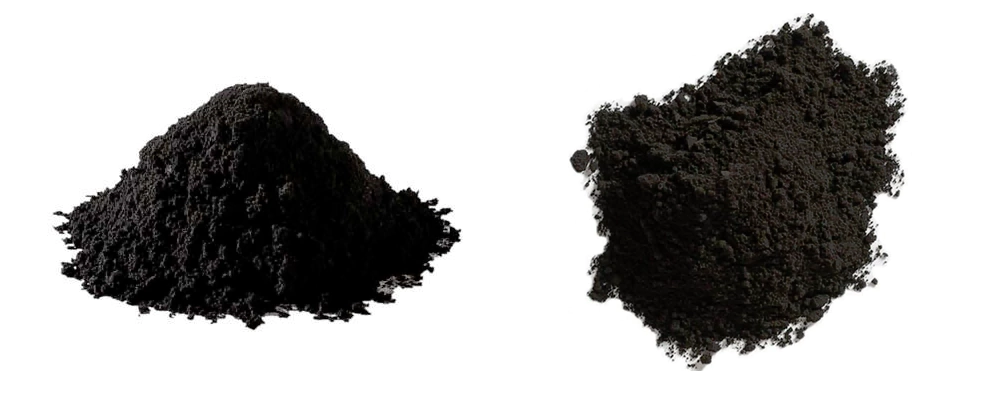
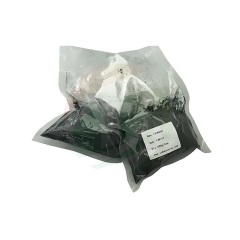
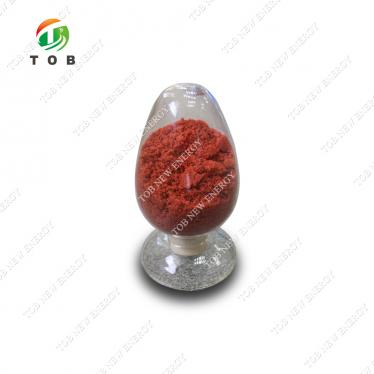
Manganese dioxide (MnO₂) is one of the most heavily used cathode active materials in primary batteries, valued for its high energy density, low cost, and excellent discharge characteristics. The TOB‑MnO₂ powder is a high‑purity, fine‑particle grade specifically controlled for battery‑related research and small‑scale electrode fabrication. It is supplied as a free‑flowing powder in 500 g sealed bags, with the chemical purity and particle size optimised to deliver reliable and repeatable electrochemical performance.
With an MnO₂ content of ≥90 % and a mean particle size of 3 µm, this powder is suited for preparing thick‑film or slurry‑cast electrodes without the need for additional grinding. The impurity profile is tightly managed: iron is held below 100 ppm, and copper, lead, nickel, cobalt, and potassium are each limited to ≤5 ppm. Such levels are essential for battery materials because even trace metallic impurities can catalyse electrolyte decomposition, increase self‑discharge, and shorten shelf life. Furthermore, the controlled pH (5.5–7.5) ensures that when the powder is mixed with aqueous or organic binders, it does not aggressively degrade the binder or corrode the current collector.
Ideal for:
- Academic and industrial R&D groups fabricating cathodes for primary lithium‑manganese dioxide (Li‑MnO₂) cells.
- Rechargeable aqueous zinc‑ion battery researchers utilising MnO₂ as the host material for Zn²⁺ intercalation.
- Supercapacitor electrode development where the pseudocapacitive behavior of MnO₂ contributes to high specific capacitance.
- Synthesis laboratories that require a consistent, well‑characterised MnO₂ precursor for making lithium manganese oxide (LiMn₂O₄) or other mixed‑metal cathode powders.
- Any battery research team that has previously encountered poor cycle life due to contamination from lower‑grade manganese dioxide powders.
Where Manganese Dioxide Fits in Battery Manufacturing
Manganese dioxide serves as the active cathode material in several battery systems. In a primary Li‑MnO₂ cell, the MnO₂ powder is mixed with a conductive additive (typically carbon black) and a binder, coated onto a current collector, and assembled opposite a lithium metal anode. During discharge, lithium ions intercalate into the MnO₂ crystal lattice while the cell delivers a stable voltage. In rechargeable aqueous zinc‑ion batteries, MnO₂ functions as the host electrode for reversible Zn²⁺ insertion, often with the addition of conductive scaffolds to enhance electronic conductivity.
The TOB‑MnO₂ powder enters the manufacturing chain at the electrode preparation stage. It is weighed, dry‑blended with conductive carbon, and then dispersed in a solvent with a binder to form a slurry. This slurry is coated onto a metal foil (typically aluminium or titanium for MnO₂ cathodes, depending on the electrolyte) and dried. For solid‑state or research cells, the powder may also be pressed directly onto a current collector as a pellet electrode.
Practical guidance for slurry processing (based on real lab experience):
- Moisture consideration: The powder contains up to 3.0 % moisture (H₂O). For non‑aqueous electrolytes, even this moderate moisture level can react with lithium salts (e.g., LiPF₆) to form HF. Before batching, bake the powder at 120–150 °C under vacuum for 4–6 hours to reduce the moisture content below 0.5 %. This is especially important for Li‑MnO₂ primary cells where shelf life is critical.
- Particle dispersion: The 3 µm mean particle size is fine enough for good electrochemical utilisation but may agglomerate during storage. A brief dry‑blend with carbon black (15 min at 200 rpm in a planetary mixer) breaks up soft agglomerates before solvent addition.
- pH and binder selection: The neutral‑to‑slightly‑acidic pH (5.5–7.5) is compatible with most fluoropolymer binders (PVDF, PTFE) in organic solvents, as well as with CMC/SBR in aqueous systems. Avoid highly alkaline binders that might leach manganese from the particle surface.
- Electrolyte pairing: For Li‑MnO₂ cells, 1 M LiClO₄ in PC:DME is a classic choice. For zinc‑ion batteries, mildly acidic ZnSO₄ or Zn(OTf)₂ electrolytes are common. Check the literature or run a compatibility test if you are using a novel electrolyte.
Material Properties and Electrochemical Relevance
Chemical composition and purity
The MnO₂ content of ≥90 % indicates that the majority of the material is the electrochemically active phase. The remaining fraction consists mainly of structural water and some sulfate (SO₄²⁻ ≤1.3 %). The sulfate originates from the manufacturing process (typically from MnSO₄ used in electrolytic or chemical synthesis). A controlled sulfate level is important because residual sulfate can dissociate in the electrolyte and participate in unwanted side reactions at the anode.
The metal impurity limits—Fe ≤100 ppm, Cu ≤5 ppm, Pb ≤5 ppm, Ni ≤5 ppm, Co ≤5 ppm, K ≤5 ppm—are among the key differentiators of a battery‑grade material. Iron is particularly detrimental because it can be reduced and deposited on the lithium anode, forming dendrites that lead to internal short circuits. The single‑digit ppm levels for Cu, Pb, Ni, and Co ensure that these heavy metals do not contaminate the electrolyte or catalyse decomposition.
Particle size and morphology
The mean particle size of 3 µm provides a good balance between electrode packing density and electrolyte accessibility. Finer particles provide a larger specific surface area for the electrochemical reaction, enabling higher discharge rates. However, excessively fine particles (sub‑micron) can increase electrolyte consumption and promote side reactions. The 3 µm grade is a well‑established compromise for both thick‑film and thin‑film electrode designs.
pH and processibility
The pH range of 5.5–7.5 (determined by the distilled water method) indicates a near‑neutral surface chemistry. This is important because a strongly acidic surface can attack the aluminium current collector, while a strongly basic surface can cause dehydrofluorination of PVDF binder. The neutrality of TOB‑MnO₂ simplifies slurry preparation and widens the processing window.
Complete Material Specifications and Storage Guidelines
The following table is the exact technical specification for the TOB‑MnO₂ powder, as supplied with each production batch. All values are guaranteed by the manufacturer.
|
No. |
Item |
Technical index |
|
1 |
MnO2 |
≥ 90-92.0% |
|
2 |
H2O |
≤ 3.0% |
|
3 |
Fe |
≤ 100ppm |
|
4 |
Cu |
≤ 5ppm |
|
5 |
Pb |
≤ 5ppm |
|
6 |
Ni |
≤ 5ppm |
|
7 |
Co |
≤ 5ppm |
|
8 |
K(ppm) |
≤ 5ppm |
|
9 |
PHvalue (Determination by distilled water method ) |
5.5~7.5 |
|
10 |
SO42-(%) |
≤1.3 |
|
11 |
Hydrochloric acid insoluble matter (%) |
≤0.05 |
|
12 |
Mean particle size |
3um |
Packaging and Storage
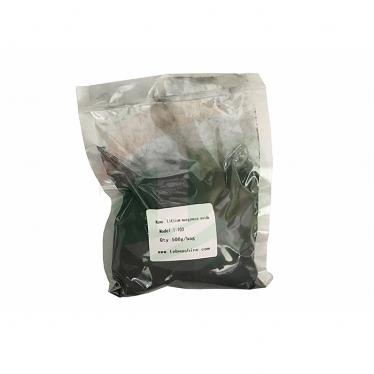
- The powder is packaged in 500 g sealed bags, protected from moisture during transport.
- Store in a dry, clean environment, ideally at 20 ± 10 °C and with relative humidity below 40 %.
- Once opened, reseal the bag tightly after each use. Transfer the required amount quickly into a dry box if possible.
- For critical applications requiring very low moisture content, bake the powder before use (see Processing section for recommended conditions).
Common Processing Issues and Practical Mitigation
The following issues are frequently encountered when working with manganese dioxide powders in electrode fabrication. The table explains how TOB‑MnO₂’s specifications help avoid or resolve them.
| Processing Problem | Typical Root Cause | Mitigation with TOB‑MnO₂ |
| High self‑discharge or poor shelf life of assembled cells | Metallic impurities (Fe, Cu, Pb) in the MnO₂catalyse electrolyte decomposition. | Fe is limited to ≤100 ppm, and Cu, Pb, Ni, Co, K to ≤5 ppm each. This tight impurity control reduces the catalytic activity that drains primary cells on storage. |
| Slurry pH instability and binder degradation | Strongly acidic or basic surface residues react with the binder or dissolve aluminium. | The neutral pH (5.5–7.5) avoids aggressive chemical attack. It is compatible with both PVDF‑NMP and aqueous CMC/SBR binder systems. |
| Poor electrode coating uniformity | Large or irregular particle agglomerates create streaks during doctor‑blade coating. | The fine, controlled particle size (3 µm) and the absence of hydrochloric acid insoluble matter (≤0.05 %) mean there are very few hard agglomerates that could scratch the coater blade. |
| Excessive moisture causing electrode delamination or electrolyte degradation | High moisture content in the powder (above 3 %) not removed before use. | The specification ensures H₂O ≤3.0 %, but a pre‑baking step is still recommended. The moderate moisture level is manageable and does not indicate a degraded powder. |
| Unexpected colour or electrochemical inactivity | Contamination with other phases or excessive sulfate blocking active sites. | SO₄²⁻ is limited to ≤1.3 %, which minimises insulating sulfate layers on the MnO₂particle surface. The high MnO₂content guarantees that the majority of the powder is electrochemically active. |
If you encounter a phenomenon not covered here, contact our materials team—we have seen a wide range of MnO₂-related issues and can often help diagnose the root cause based on a simple description.
Key Quality Advantages of TOB‑MnO₂ for Battery Applications
- Reliable Active Material Content — The MnO₂ content of ≥90 % ensures that the electrode’s specific capacity is predictable. When you formulate a cathode with a certain active material loading, you are not inadvertently diluting it with a large fraction of inert phases.
- Single‑Digit PPM Impurity Control for Critical Metals — Cu, Pb, Ni, Co, and K are each held to ≤5 ppm. This greatly reduces the risk of internal short circuits caused by metal dendrite growth, a common failure mode in lithium‑metal primary cells.
- Optimised Particle Size for Electrode Fabrication — At 3 µm mean diameter, the powder is fine enough to yield a smooth coating surface but does not form un‑breakable agglomerates. The hydrochloric acid insoluble matter is ≤0.05 %, indicating very little sand or ceramic debris.
- Neutral Surface pH for Broad Binder Compatibility — The pH specification (5.5–7.5) means the powder can be used with either aqueous or organic processing without adding strong acids or bases to neutralise the slurry.
- Batch‑to‑Batch Consistency — TOB applies the same analytical methods to every lot, so the particle size, impurity levels, and MnO₂ content remain within the stated ranges. For researchers publishing electrochemical data, this consistency is critical to reproducible results.
Engineering FAQ — Using Manganese Dioxide Powder in Battery Research
Q1: What electrolyte is recommended for fabricating a Li‑MnO₂ primary coin cell with this powder?
A common electrolyte for laboratory Li‑MnO₂ coin cells is 1 M lithium perchlorate (LiClO₄) dissolved in a 1:1 volume mixture of propylene carbonate (PC) and 1,2‑dimethoxyethane (DME). Lithium tetrafluoroborate (LiBF₄) in PC‑DME is another well‑established alternative. Because the TOB‑MnO₂ contains sulfate traces, it is advisable to avoid electrolytes with LiPF₆, as PF₆⁻ can hydrolyse with any residual moisture to form HF, which attacks the MnO₂ and the current collector.
Q2: Can this powder be used directly for aqueous zinc‑ion battery cathodes without further treatment?
Yes. The powder can be mixed with carbon black and PVDF (or PTFE) to form an electrode. However, because MnO₂ is a poor electronic conductor, a common approach is to first coat the MnO₂ particles with a conductive carbon layer, or to blend in a high fraction of carbon nanotubes. The moderate particle size (3 µm) is suitable for this purpose. The low heavy‑metal impurity level is also beneficial in aqueous systems, as dissolved metal ions can plate onto the zinc anode and cause hydrogen evolution.
Q3: How should the powder be pre‑treated before making a slurry for a moisture‑sensitive cell?
Bake the powder in a vacuum oven at 120–150 °C for at least 4 hours. A slight nitrogen purge helps carry away the released moisture. After baking, transfer the hot powder into a dry‑room or glovebox antechamber quickly, so it does not re‑adsorb ambient moisture. Checking the weight loss after baking will give you a direct measure of the original moisture content for your laboratory notebook.
Q4: The specification says MnO₂ ≥90–92.0 %. What is the remaining 8–10 %?
The balance includes structurally bound water (not included in the H₂O specification, which measures only loosely adsorbed moisture), sulfate residues, and possibly small amounts of lower manganese oxides (Mn₂O₃, Mn₃O₄) that are co‑produced during synthesis. These are typical for commercial MnO₂ powders and do not significantly impair electrochemical performance in most cell designs. If your application requires extremely phase‑pure γ‑MnO₂ or electrolytic manganese dioxide (EMD), contact us for alternative grades.
Q5: Is the powder compatible with tape casting for thick electrodes (e.g., >200 µm dry thickness)?
With the correct binder system, yes. The 3 µm particle size and the absence of hard agglomerates allow tape casting at doctor‑blade gaps of 300–500 µm. Because the powder has a moderate tap density, you may need to adjust the slurry solid content to 50–55 % to obtain a smooth, crack‑free dried film. As always, perform a small test batch first to dial in the casting parameters for your specific slurry formulation.
Ready to fabricate MnO₂‑based cathodes with a material that puts purity under your control? Request the full batch‑specific Certificate of Analysis for the current TOB‑MnO2 lot, or contact our application engineers for formulation advice.
tob.amy@tobmachine.com | +86 181 2071 5609
Previous:
Customized Battery Electrode for Lithium-ion Cell and SupercapacitorNext:
Cobalt Sulfate CoSO4 Powder Lithium Cobalt Oxide
If you are interested in our products and want to know more details,please leave a message here,we will reply you as soon as we can.

 subscribe to us