Chinese
 français
 Deutsch
 italiano
 español
 português
 Nederlands
 日本語
日本語 한국의
한국의




Science Wang
- Home
- >
Company
- >
Experts
- >
Science Wang
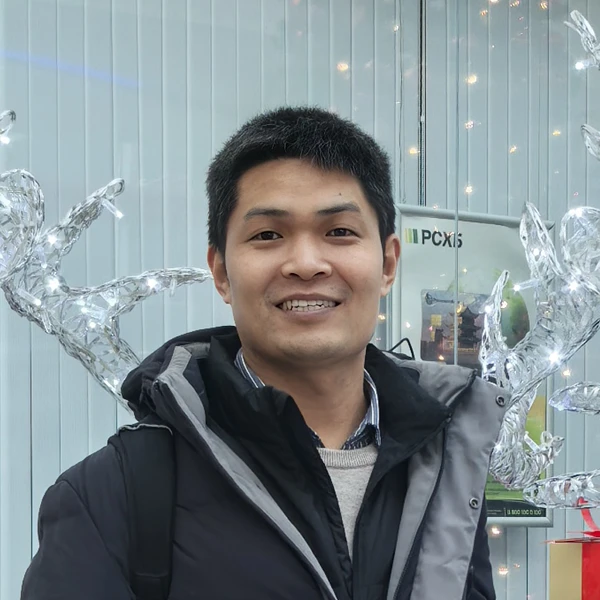
At a Glance
Professional Certifications — independently verifiable
These credentials are issued by external bodies and can be verified with the issuing organisation.
Six Sigma Black Belt
China Association for Quality (CAQ)
Statistical process control, design of experiments and Taguchi methods; root-cause identification from process variation using quantitative modelling.
PMP — Project Management Professional
Project Management Institute (PMI), USA
Standardised project control, cross-functional resource co-ordination and parallel multi-milestone delivery.
VDA 6.3 Process Auditor
TÜV Rheinland
German automotive process audit standard — the framework used by European OEMs to qualify suppliers.
IATF 16949 Internal Auditor
Automotive quality management system
Internal audit competence for the automotive industry quality standard, alongside DOE and 8D training.
Career Timeline — from cathode materials to whole-line delivery
-
2024.09 – present · XIAMEN TOB NEW ENERGY TECHNOLOGY Co., Ltd.
Principal Engineer, production line construction and technical service — reporting to the Technical Director.
-
2022.08 – 2024.09 · NIO (Anhui)
Principal Engineer — blade and cylindrical power cells. Strategic supplier quality management, equipment qualification, and process capability improvement on coating and stacking operations.
-
2019.05 – 2022.08 · Jeve Energy (Jiaxing)
Process Development Lead — pouch power cells. Line construction for the Daimler engineering line and the Volkswagen 590 mass-production programme.
-
2016.12 – 2019.05 · Zhejiang Chilwee Chuangyuan Industrial
Technical Supervisor — prismatic aluminium-shell power cells. Led the coating yield improvement programme and multiple electrode process optimisations.
-
2011.07 – 2016.12 · Changzhou Huake New Energy Technology
Technical Supervisor — pouch stacked power cells. LFP material and binder development, aqueous process introduction.
-
2009.06 – 2011.07 · Changzhou Bojie New Energy Materials
Cathode Material Test Engineer — lithium cobalt oxide. Full-process LFP material development: batching, mixing, sintering, milling and testing.
Quantified Process Improvements
Each figure below comes from a specific named project. Where a project is stated, the employer and period are given so the claim can be placed in context.
| Improvement | Before → After | Result | Project |
|---|---|---|---|
| Cathode coating pass rate | 70.56% → 97.5% | +26.94 pts | QCC programme, Chilwee Chuangyuan (2016.12–2019.05). Led an 11-person cross-functional team over 3 months; areal density held within ±1%. First prize, QCC improvement awards. |
| Slurry mixing time (LFP) | 7 h → 4.5 h | −36% | Dry-blend aqueous process introduction, Changzhou Huake. Lower energy use and equipment occupancy. |
| Cathode material cost | Baseline → −0.5% | −0.5% | Double-sided ceramic coating process for VW 590, Jeve Energy. |
| Cell raw material cost | Baseline → −0.02 CNY/Ah | −0.02 CNY/Ah | LA33 aqueous binder development for LFP, Changzhou Huake. |
| Cathode calendering strip breaks | Reduced to 1.2 per 10,000 m | 1.2 / 10k m | Root-cause analysis and roll-press process optimisation, Chilwee Chuangyuan. |
| Cycle life, 523 system | >80% retention at 2,500 cycles | >80% @ 2500 | Screening of 2 cathode / 2 anode / 3 electrolyte combinations at room temperature, Chilwee Chuangyuan. |
| First-pass yield, 3rd production batch | Reached 25% | 25% by batch 3 | Daimler 0.5 GWh engineering line — early-stage ramp on a newly commissioned line. |
Major Projects
- ▸Full participation in equipment technical discussion, scheme review and technical agreement pre-review.
- ▸Produced the equipment supervision plan and site-entry schedule; led supervision and pre-acceptance of the coating machine, roller press and slitting machine.
- ▸Built the commissioning plan and issue list; authored PFMEA, control plans, work instructions and production record forms.
- ▸Led review of the initial and detailed process flow charts, overall process scheme and PFMEA as equipment development inputs.
- ▸Owned slurry mixing development — 2.5 h cathode, 3 h anode, with 500-cycle performance meeting target.
- ▸Developed double-sided ceramic coating on the cathode, and validated NMP removal from anode mixing, bake-method comparison, stack hot/cold pressing without pre-heat, and self-discharge screening time reduction.
- ▸Introduced FMEA software to establish a systematic failure-prevention framework.
- ▸Owned the quality workstream across design, equipment installation, commissioning and acceptance.
- ▸Also delivered a 5 MWh line design and equipment installation, commissioning and acceptance for the same customer.
- ▸CALB 100/85 kWh prismatic power cells — led equipment qualification and systematic capability improvement on coating and stacking; resolved a persistent jellyroll insertion scratch defect.
- ▸WeLion 150 kWh semi-solid-state cells (Huzhou) — supplier quality for a new cell type; resolved electrode-section process anomalies and raised process capability, supporting industrialisation of semi-solid-state technology.
- ▸Blade cell in-house programme — electrode-section supplier scheme review and process development trials for next-generation in-house production.
- ▸Drove the full technical path from design validation through to mass-production conversion for a high-specific-energy cell.
Honours and Recognition
Technical Focus
- ▸Whole-line process planning — initial and detailed process flow charts, overall process schemes, PFMEA
- ▸Equipment lifecycle management — technical discussion, scheme review, technical agreement pre-review, supervision, pre-acceptance, on-site commissioning
- ▸Electrode process development — slurry mixing, coating, calendering, slitting and stacking, assembly, formation and grading
- ▸Data-driven improvement using Six Sigma methodology and Taguchi design of experiments
- ▸Supplier quality management — equipment qualification, CPK improvement, root-cause analysis and closed-loop management
- ▸Cathode materials — LFP and lithium cobalt oxide synthesis and testing
Frequently Asked Questions
What are Science Wang’s main areas of process work?
Six areas: whole-line process planning (process flow charts, overall process schemes, PFMEA); equipment lifecycle management from technical discussion and agreement pre-review through supervision, pre-acceptance and on-site commissioning; electrode process development covering slurry mixing, coating, calendering, slitting, stacking, assembly, formation and grading; data-driven improvement using Six Sigma and Taguchi design of experiments; supplier quality management including equipment qualification and CPK improvement; and cathode materials — LFP and lithium cobalt oxide synthesis and testing.
How was cathode coating yield raised from 70.56% to 97.5%?
Through a QCC improvement programme at Chilwee Chuangyuan (2016–2019), leading an 11-person cross-functional team over three months. The pass rate moved from 70.56% to 97.5%, a gain of 26.94 points, with areal density held within ±1%. The programme won first prize in the QCC improvement awards. Performed at Zhejiang Chilwee Chuangyuan Industrial and presented as career history, not as a performance guarantee for a new project.
Which OEM programmes has he delivered production lines for?
Two named automotive programmes at Jeve Energy (2019–2022). On the Daimler 0.5 GWh engineering line he was process and equipment lead — equipment supervision and pre-acceptance of coating machine, roller press and slitting machine, plus PFMEA, control plans and work instructions; first-pass yield reached 25% by the third production batch. On the Volkswagen 590 mass-production programme (Yancheng Phase 2, 4 GWh) he was process development lead, owning slurry mixing development at 2.5 h cathode and 3 h anode with 500-cycle performance meeting target. Both performed at Jeve Energy as career history.
What overseas plant construction experience does he have?
He was project quality owner for an overseas 4 GWh plant construction, owning the quality workstream across design, equipment installation, commissioning and acceptance, and also delivered a 5 MWh line design with its installation, commissioning and acceptance for the same customer. Presented as career history.
Which professional certifications does he hold, and who issued them?
Four, all issued by external bodies and independently verifiable: Six Sigma Black Belt (China Association for Quality), PMP (Project Management Institute, USA), VDA 6.3 Process Auditor (TÜV Rheinland — the German automotive process audit standard European OEMs use to qualify suppliers), and IATF 16949 Internal Auditor, alongside DOE and 8D training.
What measurable process improvements has he delivered?
Seven documented against named projects: coating pass rate 70.56% to 97.5%; LFP slurry mixing time 7 h to 4.5 h (−36%); cathode material cost −0.5% via double-sided ceramic coating for VW 590; cell raw material cost −0.02 CNY/Ah through LA33 aqueous binder development; cathode calendering strip breaks reduced to 1.2 per 10,000 m; cycle life above 80% retention at 2,500 cycles on the 523 system; and first-pass yield reaching 25% by the third batch on the Daimler engineering line. Each figure comes from work at the employer named on this page and is career history rather than a guaranteed outcome.
Does he have experience with semi-solid-state and blade cells?
Yes, through supplier quality ownership at NIO (2022–2024). On WeLion 150 kWh semi-solid-state cells he handled supplier quality for a new cell type, resolving electrode-section process anomalies and raising process capability to support industrialisation. On the blade cell in-house programme he ran electrode-section supplier scheme review and process development trials, and on CALB 100/85 kWh prismatic cells he led equipment qualification and resolved a persistent jellyroll insertion scratch defect. Performed at NIO as career history.
Coating uniformity, CPK improvement or OEM audit readiness — the engineering team can help.
Contact TOB NEW ENERGY → subscribe to us