Chinese
 français
 Deutsch
 italiano
 español
 português
 Nederlands
 日本語
日本語 한국의
한국의




- Home
- >
- Battery Materials
- >
- Cathode Active Material
- >
- Cobalt Sulfate CoSO4 Powder Lithium Cobalt Oxide
Categories
Hot Products
Loading...
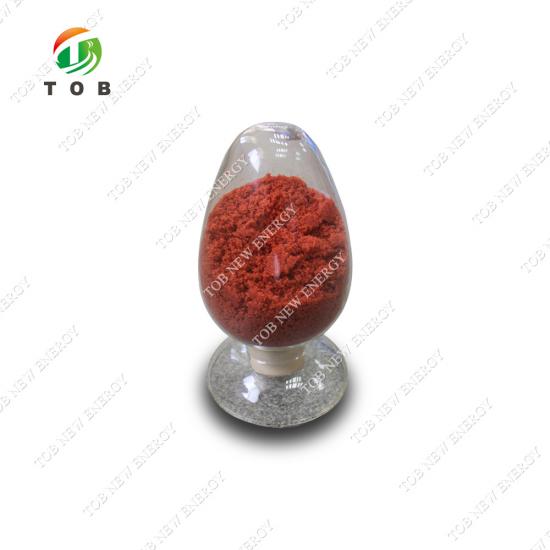
Cobalt Sulfate CoSO4 Powder Lithium Cobalt Oxide
Brand:
TOB NEW ENERGYitem no.:
TOB-CoSO4order(moq):
1Payment:
L/C,T/Tproduct origin:
Chinashipping port:
XIAMEN
TOB-CoSO4 Battery-Grade Cobalt Sulfate Heptahydrate Powder for Lithium-Ion Battery Cathode Precursors
Product Overview and Ideal Applications
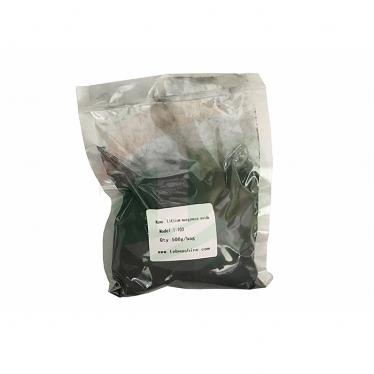
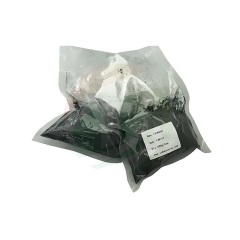
Cobalt sulfate heptahydrate (CoSO₄·7H₂O) is a pink‑to‑brownish‑red crystalline powder that serves as the primary cobalt source for synthesising lithium cobalt oxide (LiCoO₂), one of the most established cathode active materials in commercial lithium‑ion batteries. The TOB‑CoSO4 is a battery‑grade powder (Co content ≥21 %) specifically refined to minimise the metallic impurities that directly degrade battery performance. It is supplied in 1 kg sealed packages, ready for dissolution, co‑precipitation, or direct calcination with lithium sources.
In battery manufacturing, cobalt sulfate is not used directly as an electrode material. Instead, it is dissolved in water and combined with a lithium source (such as lithium carbonate or lithium hydroxide) and a base to precipitate a mixed cobalt‑lithium precursor. The dried precursor is then calcined at high temperature to form the electrochemically active LiCoO₂ powder. The quality of the cobalt sulfate—particularly the levels of nickel, iron, copper, zinc, and lead—directly influences the purity, morphology, and electrochemical stability of the final cathode powder. For high‑energy‑density cells destined for consumer electronics or electric vehicles, a battery‑grade cobalt sulfate with tight impurity control is essential.
Ideal for:
- Cathode material manufacturers producing LiCoO₂ for 3C (computer, communication, consumer electronics) cells and high‑voltage lithium‑ion batteries.
- R&D groups synthesising lithium cobalt oxide or other cobalt‑containing cathode materials (NMC, NCA) via co‑precipitation or sol‑gel routes.
- Laboratory‑scale preparation of cobalt‑based electro‑catalysts, pigments, or electroplating solutions that require a well‑characterised, high‑purity cobalt source.
- Any facility that has previously used industrial‑grade cobalt sulfate and experienced unexplained capacity fade due to contamination from metal impurities.
Where Cobalt Sulfate Fits in Battery Cathode Production
Cobalt sulfate is positioned at the very front end of the cathode active material supply chain. Before any slurry is mixed or any electrode is coated, the pure metal salts must be sourced and converted into the correct crystal structure. The process flow in a cathode manufacturing plant typically proceeds as follows:
- Raw material preparation: Battery‑grade cobalt sulfate, lithium carbonate, and other metal sulfates (for NMC or NCA) are dissolved in deionised water to form a mixed salt solution.
- Co‑precipitation: A base (such as NaOH or Na₂CO₃) is added under controlled pH and temperature to co‑precipitate the metal hydroxides or carbonates.
- Filtration and drying: The precipitate is filtered, washed, and dried to obtain a precursor powder with the target stoichiometry.
- Calcination: The precursor is mixed with a lithium source and calcined in a tube furnace or rotary kiln at 700–1000 °C under controlled atmosphere to form the final cathode material.
- Post‑processing: The calcined powder is milled, sieved, and coated if necessary before being shipped to cell manufacturers.
The purity of the cobalt sulfate entering this chain is the single most influential factor on the purity of the final cathode powder. Trace iron introduced at the sulfate stage will persist through every downstream step, eventually residing in the finished LiCoO₂ crystal where it can substitute for cobalt ions, disrupt the layered structure, and catalyse electrolyte oxidation. For this reason, cell manufacturers impose strict upper limits on the impurity levels of their incoming salts, and the battery‑grade specification of TOB‑CoSO4 is designed to meet these requirements.
Material Properties and Technical Specifications
Chemical and Physical Characteristics
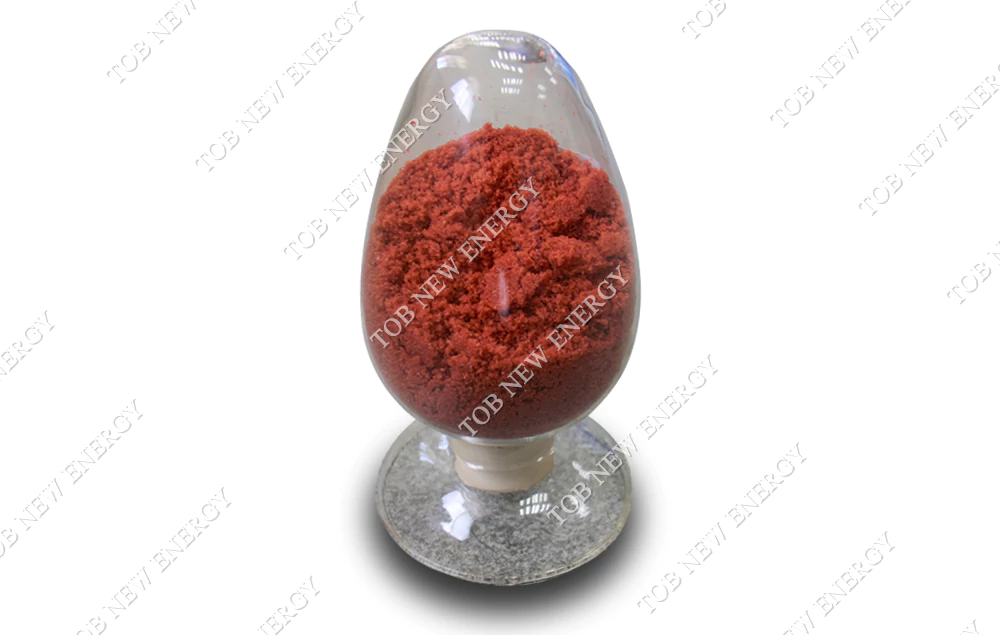
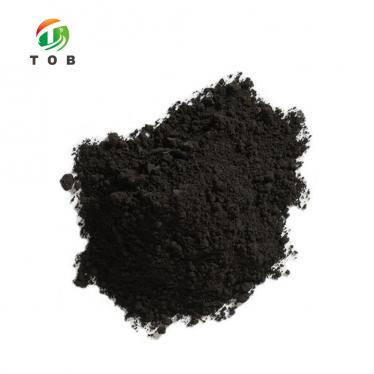
TOB‑CoSO4 is the heptahydrate form of cobalt sulfate, with the molecular formula CoSO₄·7H₂O. The material is supplied as a brownish‑red crystalline powder that is readily soluble in water and methanol, forming a clear pink solution. It exhibits slight solubility in ethanol and is prone to efflorescence (loss of water of crystallisation) when exposed to dry air. Complete dehydration occurs at 420 °C, above which the anhydrous CoSO₄ begins to decompose.
In aqueous solution, cobalt sulfate provides Co²⁺ ions that can be directly co‑precipitated with hydroxide or carbonate ions, or complexed with ammonia for controlled precipitation of Co(OH)₂. This solution chemistry is the foundation of industrial LiCoO₂ synthesis.
Impurity Control — Battery‑Grade Specification
Impurity control is the primary differentiator between battery‑grade and lower‑grade cobalt sulfate. The battery‑grade specification limits five key metallic impurities to ≤0.001 % each, while industrial‑grade material allows orders of magnitude higher concentrations. The following table compares the three available grades as per the supplier's detection criteria.
| Element | Battery Grade | Electroplate Grade | Industry Grade |
| Co | ≥21 % | ≥20 % | ≥20 % |
| Ni | ≤0.001 % | ≤0.002 % | ≤0.8 % |
| Fe | ≤0.001 % | ≤0.002 % | ≤0.05 % |
| Cu | ≤0.001 % | ≤0.002 % | ≤0.02 % |
| Zn | ≤0.001 % | ≤0.002 % | ≤0.03 % |
| Pb | ≤0.001 % | ≤0.002 % | ≤0.08 % |
Note: The above specification is provided by the supplier for each grade. All values are as per the standard detection criteria. The battery‑grade material is the recommended choice for lithium‑ion battery cathode precursor synthesis.
Physical and Molecular Information
- Molecular formula: CoSO₄·7H₂O
- Appearance: Brownish‑red crystalline powder
- Solubility: Soluble in water and methanol; slightly soluble in ethanol
- Stability: Effloresces in dry air; loses 7H₂O at 420 ℃
Key Quality Advantages of TOB‑CoSO₄ for Battery Applications
High Cobalt Content (≥21 %)
The heptahydrate form contains a guaranteed minimum of 21 % cobalt by weight. This translates directly into a higher yield of final cathode material per kilogram of raw sulfate, reducing both material cost and the volume of waste solution that requires treatment.
Tight Control of Deleterious Impurities (Ni, Fe, Cu, Zn, Pb at ≤0.001 %)
Iron is a well‑known cathode poison. It can be reduced at the anode, form dendrites, and cause soft internal shorts in the finished cell. Nickel, copper, zinc, and lead can all be incorporated into the LiCoO₂ lattice, altering the electronic structure and reducing the stable capacity. By limiting each of these elements to single‑digit ppm (0.001 % = 10 ppm), TOB‑CoSO₄ provides a foundation for synthesising cathode powder with consistent, predictable electrochemical performance.
Comprehensive Multi‑Element Specification
Many suppliers quote only the cobalt content and perhaps iron. TOB‑CoSO₄ specifies five critical impurities individually, giving cathode manufacturers the complete picture they need to perform incoming quality control. There are no hidden impurities that could surface later in the form of cell failures.
Suitable for Co‑Precipitation and Sol‑Gel Synthesis
The high solubility and controlled pH of the solution facilitate uniform precipitation. Whether you are using a continuous stirred‑tank reactor for industrial co‑precipitation or a small‑scale sol‑gel route, the clean solution chemistry of TOB‑CoSO₄ reduces the burden on downstream washing and purification steps.
Reproducible Batch Quality
Each 1 kg package is produced under a consistent manufacturing process and can be accompanied by a Certificate of Analysis upon request. For research groups publishing data or for pilot lines qualifying a new cathode material, this batch‑to‑batch consistency is essential to draw valid conclusions.
Comparison: Battery‑Grade vs. Industrial‑Grade Cobalt Sulfate
| Feature | TOB‑CoSO₄ Battery Grade | Typical Industrial‑Grade CoSO₄ |
| Co content | ≥21 % | ≥20 % |
| Ni content | ≤0.001 % | ≤0.8 % |
| Fe content | ≤0.001 % | ≤0.05 % |
| Cu content | ≤0.001 % | ≤0.02 % |
| Zn content | ≤0.001 % | ≤0.03 % |
| Pb content | ≤0.001 % | ≤0.08 % |
| Suitability for cathode synthesis | Excellent — impurities at a level that does not degrade electrochemical performance | Poor — Ni and Fe levels are high enough to cause capacity fade and safety issues |
| Typical application | LiCoO₂, NMC, NCA cathode precursors | Pigments, animal feed, general chemical reagents |
Why battery manufacturers insist on battery‑grade cobalt sulfate:
The economic argument is straightforward. The incremental cost of battery‑grade over industrial‑grade is minor compared to the cost of a single batch of cathode material that fails end‑of‑line testing due to low capacity or high self‑discharge. In a 1 GWh cell production line, the value of consistent raw material quality far outweighs the savings from purchasing a cheaper, less pure salt.
Safety, Storage, and Handling Guidelines
Cobalt sulfate is classified as a hazardous substance due to its toxicity and potential for allergic skin reactions. The following precautions should be observed at all times.
- Personal protective equipment (PPE): Wear chemical‑resistant gloves (nitrile or neoprene), safety goggles, and a lab coat when handling the powder or its solutions. In cases where airborne dust might be generated, use a particulate respirator (EN 149 FFP3 or N95 equivalent).
- Ventilation: Work in a fume hood or well‑ventilated area when weighing or dissolving the powder. Cobalt compounds are suspected of causing cancer if inhaled.
- Storage conditions: Keep the container tightly closed in a cool, dry, well‑ventilated area, away from incompatible materials such as strong oxidising agents and strong bases. Storage temperature should be between 10 °C and 25 °C, with humidity below 60 % to prevent caking and efflorescence.
- Spill and waste disposal: Collect spilled powder into a sealable container and dispose of as hazardous waste in accordance with local regulations. Cobalt is environmentally toxic; do not allow it to enter water sources or soil.
- First aid: In case of skin contact, wash immediately with plenty of soap and water. For eye contact, rinse cautiously with water for several minutes. If inhaled, move to fresh air. If symptoms persist, seek medical attention and show the Safety Data Sheet (SDS) to the physician.
Common Issues in Handling and Processing
| Problem | Possible Cause | Recommended Action |
| Impurity spikes in synthesised LiCoO₂ (detected by ICP) | Starting cobalt sulfate contained undetected Ni, Fe, or Cu. | Verify the supplier’s CoA and run an independent ICP‑OES analysis on each new lot before use. TOB‑CoSO₄specifies all five critical impurities, making such screening straightforward. |
| Efflorescence or caking of the powder | Exposure to dry air or temperature fluctuations causing loss of water of crystallisation. | Keep the bag sealed and store in a cool, dry place (<25 °C, <60 %RH). If powder has become anhydrous (grey‑blue), re‑dissolve and filter before use. |
| Colour of dissolved solution is brownish instead of pink | Presence of Fe³⁺ or other oxidised impurities. | This should not occur with battery‑grade material. If observed, check the purity of the water used for dissolution. Use deionised water with resistivity >18 MΩ·cm. |
| Precipitation of unwanted phases during co‑precipitation | Incorrect pH or presence of foreign anions. | Ensure that the cobalt sulfate solution is clear and free of insoluble matter before mixing with the base. Filter if necessary. Maintain pH within the target window (±0.2 pH units). |
Engineering FAQ — Cobalt Sulfate for Cathode Material Synthesis
Q1: Can I use TOB‑CoSO₄ directly as a cathode material, or must it be converted to LiCoO₂ first?
Cobalt sulfate is a chemical precursor, not an active electrode material. It must be chemically converted into lithium cobalt oxide (LiCoO₂) or another cobalt‑containing cathode compound before it can be used in a battery. The typical route involves co‑precipitating cobalt hydroxide with a lithium source and calcining at high temperature. TOB can supply the necessary lithium sources and calcination equipment; contact us for a full material‑plus‑equipment package.
Q2: What is the best lithium source to pair with this cobalt sulfate for synthesising LiCoO₂?
Lithium carbonate (Li₂CO₃) is the most commonly used lithium source for solid‑state calcination routes. Lithium hydroxide (LiOH·H₂O) may also be used, particularly if a lower calcination temperature is desired. The stoichiometry requires roughly 1 mole of lithium per mole of cobalt, though a slight excess (2–5 %) of lithium is often added to compensate for volatilisation during calcination.
Q3: How should I dispose of waste cobalt sulfate solution after co‑precipitation?
Cobalt is a heavy metal and must be treated as hazardous waste. Do not pour it down the drain. Collect all aqueous waste, filtrates, and wash solutions in a designated container labelled "Cobalt‑containing waste." Contact a licensed hazardous waste disposal company. In many jurisdictions, cobalt discharge is strictly regulated due to its environmental toxicity.
Q4: Is it possible to use this cobalt sulfate for synthesising NMC (nickel‑manganese‑cobalt) cathode materials?
Yes. In the co‑precipitation of NMC precursors, cobalt sulfate is one of the three required metal salts, alongside nickel sulfate and manganese sulfate. The battery‑grade purity ensures that no additional impurities are introduced from the cobalt source, which is critical because even small amounts of Fe can accelerate side reactions in high‑nickel cathodes. Contact us if you also need battery‑grade nickel and manganese sulfates for complete NMC synthesis.
You May Also Need
TOB-LCO-103 Lithium Carbonate Powder — The lithium source most commonly paired with this cobalt sulfate for LiCoO₂ synthesis.
Previous:
Manganese dioxide MnO2 powderNext:
99% Purity FeC2O4 Powder
If you are interested in our products and want to know more details,please leave a message here,we will reply you as soon as we can.

 subscribe to us