Chinese
 français
 Deutsch
 italiano
 español
 português
 Nederlands
 日本語
日本語 한국의
한국의




- Home
- >
- Battery Materials
- >
- Cathode Active Material
- >
- 99% Purity FeC2O4 Powder
Categories
Hot Products
Loading...
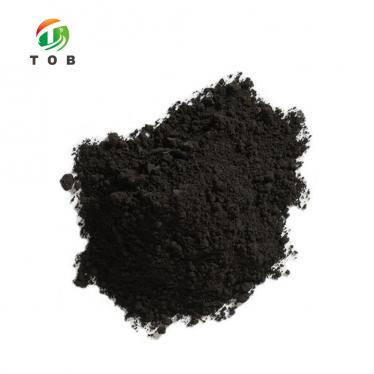
99% Purity FeC2O4 Powder
item no.:
TOB-FeC2O4 2H2Oorder(moq):
1Payment:
L/C,T/Tproduct origin:
Chinashipping port:
XIAMEN
99% High-Purity Ferrous Oxalate Powder for Lithium Iron Phosphate (LFP) Cathode Material Synthesis
Product Overview and Ideal Applications
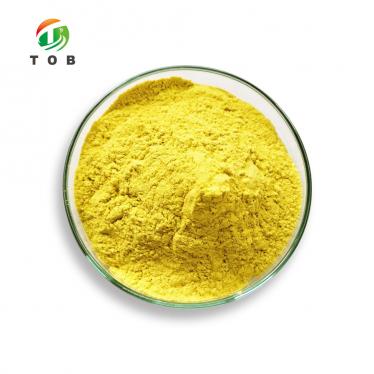
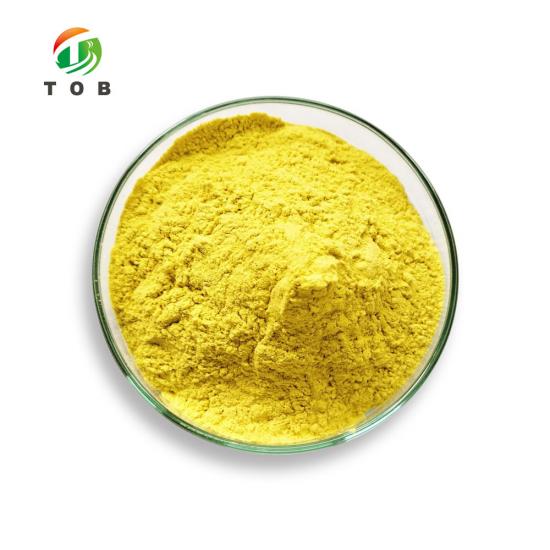
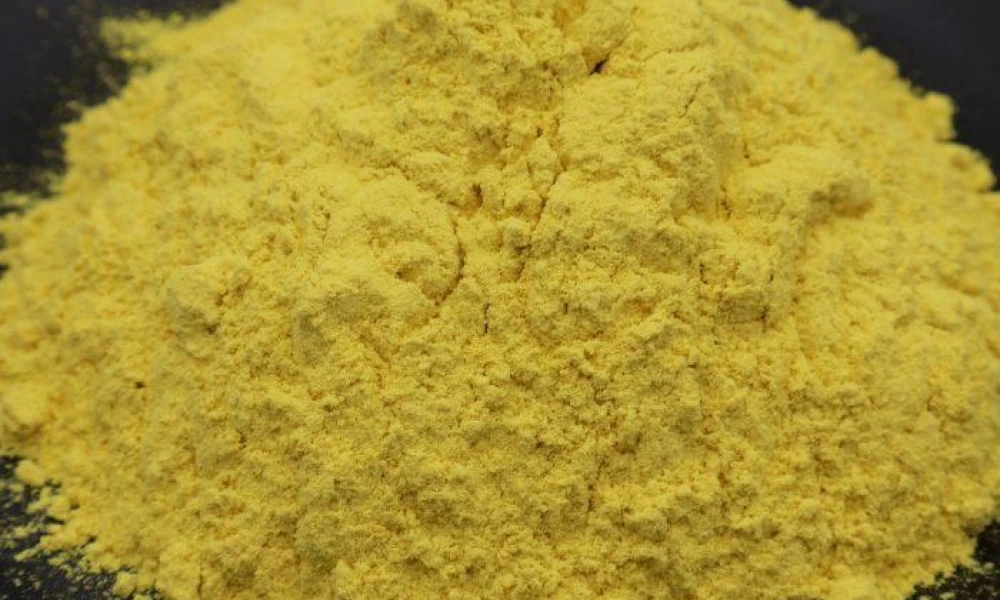
Ferrous oxalate dihydrate (FeC₂O₄·2H₂O) is a pale yellow crystalline powder that serves as one of the two essential metal‑precursor raw materials for synthesising lithium iron phosphate (LiFePO₄, LFP), the dominant cathode active material in long‑life, high‑safety lithium‑ion batteries. In the most common LFP production routes—particularly the solid‑state carbothermal reduction method and the oxalate co‑precipitation method—iron oxalate is mixed with a lithium source (typically lithium carbonate) and a phosphate source (typically ammonium dihydrogen phosphate), then calcined under an inert or reducing atmosphere to produce the olivine‑structured LiFePO₄ powder.
The quality of the iron oxalate directly governs the purity, phase composition, and electrochemical performance of the final LFP product. Impurities such as chloride, sulfate, ammonium, and alkali earth metals, if present above certain thresholds, can:
- poison the carbon‑coating catalyst during calcination, resulting in uneven or insufficient carbon coating;
- form inert secondary phases (e.g., Fe₂O₃, Fe₃(PO₄)₂) that reduce the active material fraction;
- introduce ionic contaminants that accelerate electrolyte degradation during cell cycling.
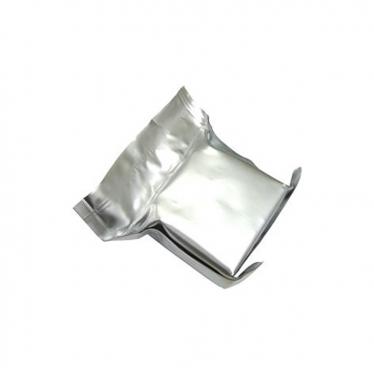
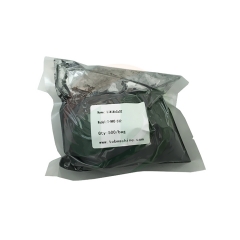
The TOB-FeC2O4 2H2O is a high‑purity grade (>99 %) specifically refined with tight limits on these critical impurities. It is supplied as a free‑flowing powder in 500 g bottles, suitable for both laboratory‑scale synthesis and pilot‑scale batch production.
Ideal for:
- Cathode material manufacturers synthesising lithium iron phosphate (LFP) for EV, energy storage, and power‑tool cells via solid‑state or co‑precipitation routes.
- R&D laboratories developing doped LFP variants (e.g., Mn‑doped, V‑doped) or iron‑based polyanionic cathode materials for sodium‑ion batteries.
- Universities and research institutes conducting mechanistic studies on the carbothermal reduction process of iron oxalate to olivine‑phase LiFePO₄.
- Any synthesis facility that has observed inconsistent LFP capacity or cycle life due to variations in the purity of its iron precursor.
Where Ferrous Oxalate Fits in LFP Cathode Manufacturing
Lithium iron phosphate (LiFePO₄) is the cathode of choice for applications demanding intrinsic safety, long cycle life, and low raw‑material cost. Unlike NMC or LCO, which require expensive and supply‑constrained cobalt, LFP uses only iron and phosphorus—both abundant and low‑cost. The TOB-FeC2O4 2H2O provides the iron component in this synthesis.
The most industrially significant route to LFP is the carbothermal reduction method, proceeding as follows:
- Precursor mixing: Ferrous oxalate (FeC₂O₄·2H₂O) is dry‑blended with lithium carbonate (Li₂CO₃) and ammonium dihydrogen phosphate (NH₄H₂PO₄), together with a carbon source (e.g., glucose, sucrose, or carbon black). The oxalate group in the iron precursor serves a dual purpose: it provides the iron in the +2 oxidation state required for LiFePO₄, and its decomposition generates reducing gases (CO, CO₂) that help maintain the reducing atmosphere during calcination.
- Calcination: The blended powder is heated under an inert gas flow (N₂ or Ar) at 600–800 °C for several hours. During heating, the iron oxalate decomposes to FeO or intermediate iron oxides, which then react with the lithium and phosphate to form crystalline LiFePO₄. The carbon source decomposes simultaneously, leaving a thin, conductive carbon coating on the LFP particle surfaces—critical for overcoming the inherently low electronic conductivity of LiFePO₄.
- Post‑treatment: The calcined powder is lightly milled, sieved, and sometimes subjected to a second carbon‑coating step to achieve the optimal carbon content (typically 1–3 wt %).
The purity of the starting iron oxalate is paramount. Chloride ions introduced by the iron precursor can volatilise during calcination and corrode the furnace lining and gas‑handling equipment. Sulfate residues (SO₄²⁻) can be reduced to sulfide (S²⁻), which poisons the carbon‑coating catalyst and leaves non‑conductive sulfide phases on the LFP particle surface. Alkali earth metals (Ca, Mg) can substitute for iron in the olivine lattice, altering the electrochemical potential and reducing capacity. The impurity limits of TOB-FeC2O4 2H2O —≤0.002 % Cl, ≤0.05 % SO₄²⁻, ≤0.1 % total alkali earth metals—are set to minimise all of these effects.
Chemical and Physical Characteristics
Ferrous oxalate dihydrate is a pale yellow crystalline powder with a molecular weight of 179.9 g/mol and a relative density of 2.28. It melts (decomposes) at 160 °C, releasing water of crystallisation and then decomposing to iron oxides and carbon oxides. The compound is soluble in acids but practically insoluble in water, which is advantageous during the dry‑blending step of LFP synthesis: it does not dissolve in trace moisture and remains uniformly distributed throughout the precursor mixture until thermal decomposition begins.
|
Product name |
Ferrous Oxalate Powder |
|
Molecular formula |
FeC2O4 2H2O |
|
Molecular weight |
179.9 |
|
Character |
Pale yellow crystalline powder, relative density 2.28, melting point 160℃, soluble in acid, insoluble in water |
|
Purity |
>99% |
|
Hydrochloric acid insolubles |
≤0.005 |
|
Chloride (Cl) |
≤0.002 |
|
Sulfate (So4) |
≤0.05 |
|
Ammonium (NH4) |
≤0.05 |
|
Alkaline earth metal |
≤0.1 |
|
Fecl |
≤0.1 |
Engineering FAQ — Ferrous Oxalate for LFP Synthesis
Q1: Why use ferrous oxalate (FeC₂O₄·2H₂O) instead of iron oxide (Fe₂O₃) or iron phosphate (FePO₄) as the iron source for LFP?
Ferrous oxalate provides iron in the +2 oxidation state, which matches the required oxidation state in LiFePO₄. This eliminates the need for a separate reduction step that would be necessary if Fe₂O₃ (Fe³⁺) were used. The oxalate group also decomposes during calcination to generate CO and CO₂ gases that contribute to the reducing atmosphere, a built‑in chemical advantage. However, some newer LFP synthesis routes use FePO₄ as the iron source combined with a reducing atmosphere; the choice depends on the specific process economics and equipment.
Q2: How should I store the powder after opening the bottle?
Ferrous oxalate can slowly oxidise in air to ferric oxalate/iron oxide. After opening the bottle, reseal it tightly and store in a cool, dry environment (<30 °C, <50 % RH). If possible, store under nitrogen or argon, especially if the bottle will be opened repeatedly. The powder should not be exposed to strong oxidising agents or acidic vapours. For long‑term storage, double‑bag the bottle with a desiccant.
Q3: Can this powder be used to synthesise LMFP (LiMnₓFe₁₋ₓPO₄) as well as pure LFP?
Yes. The TOB‑FeC₂O₄·2H₂O can be used together with a manganese precursor (e.g., MnCO₃ or MnC₂O₄) to synthesise lithium manganese iron phosphate (LMFP), a higher‑voltage variant of LFP. The same purity requirements apply; ensure that the manganese precursor is also of battery grade to avoid introducing new impurities. The calcination conditions for LMFP may require a slightly higher temperature and a modified carbon‑source ratio.
Q4: Does the melting point of 160 °C mean the powder will melt during calcination?
No. The 160 °C value refers to the onset of thermal decomposition, not true melting. At this temperature, the ferrous oxalate dihydrate loses its water of crystallisation and begins to decompose into iron oxides and carbon oxides. By 350–400 °C, the oxalate group is completely decomposed, leaving a finely divided iron oxide that is highly reactive toward the lithium and phosphate precursors. This low decomposition temperature is an advantage because it generates a high‑surface‑area iron intermediate that reacts more completely during the subsequent high‑temperature LFP crystallisation step.
Ready to synthesise high‑capacity, consistent LFP cathode material with a battery‑grade iron precursor? Request a quotation for TOB‑FeC₂O₄·2H₂O, or contact our materials engineering team for a detailed Certificate of Analysis for the current production lot.
tob.amy@tobmachine.com | +86 181 2071 5609
You May Also Need
- TOB-LFP Lithium Iron Phosphate Cathode Material— The finished cathode powder that is synthesised from this ferrous oxalate precursor. Compare the impurity profile of the precursor with the final product specifications.
- TOB-G1200-60-III Three‑Zone Tube Furnace— A precision tube furnace with independent three‑zone control, ideal for the two‑step calcination profile required for LFP synthesis from ferrous oxalate.
- Battery Materials— Our comprehensive range of cathode and anode active materials, solid electrolytes, and current collector foils for lithium‑ion, sodium‑ion, and solid‑state battery R&D and production.
If you are interested in our products and want to know more details,please leave a message here,we will reply you as soon as we can.

 subscribe to us