Chinese
 français
 Deutsch
 italiano
 español
 português
 Nederlands
 日本語
日本語 한국의
한국의




- Home
- >
- Electrode Preparation
- >
- Battery Coating Machine
- >
- Roll to Roll Battery Electrode Coating Machine For Lithium ion Cells Electrode Preparation
Categories
Hot Products
Loading...
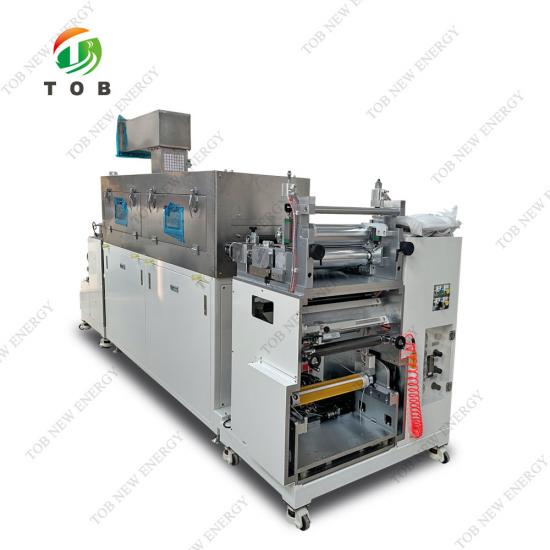
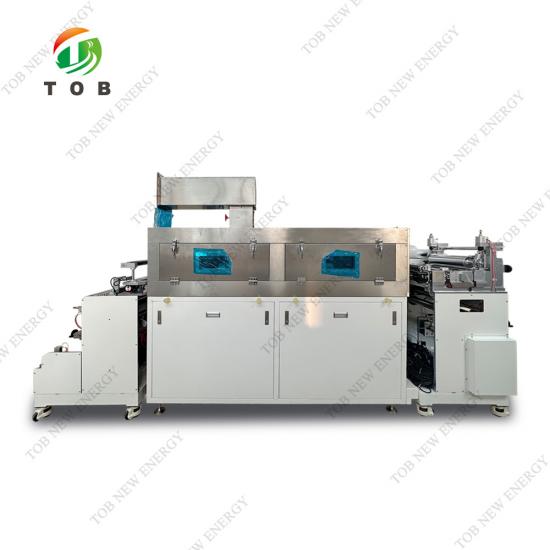
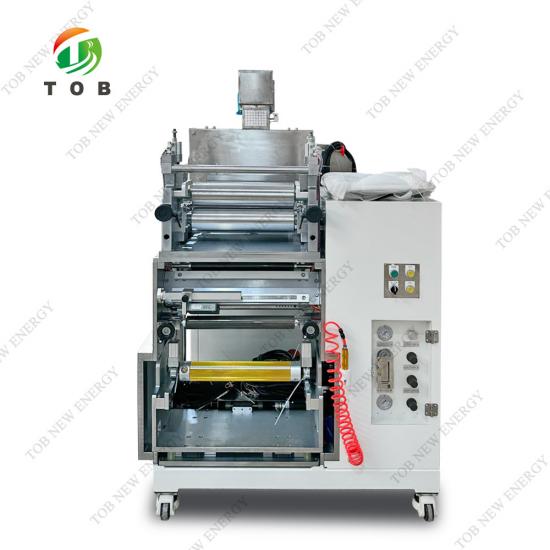
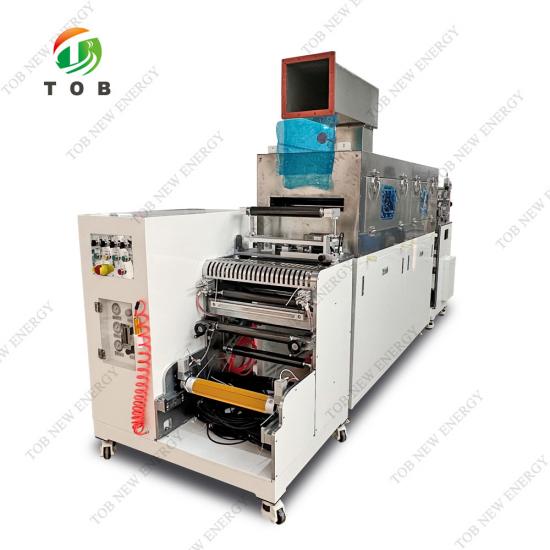
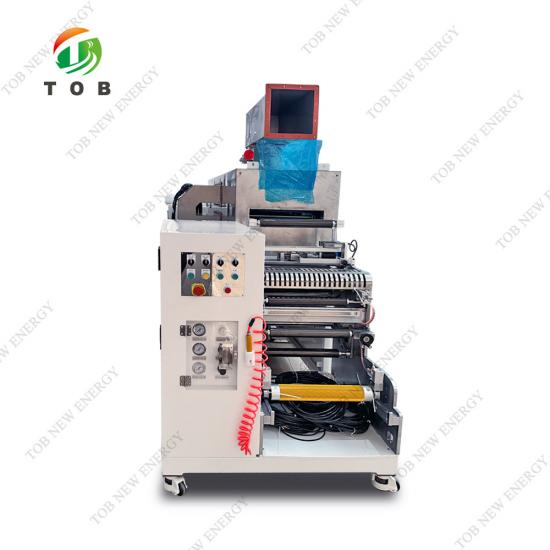
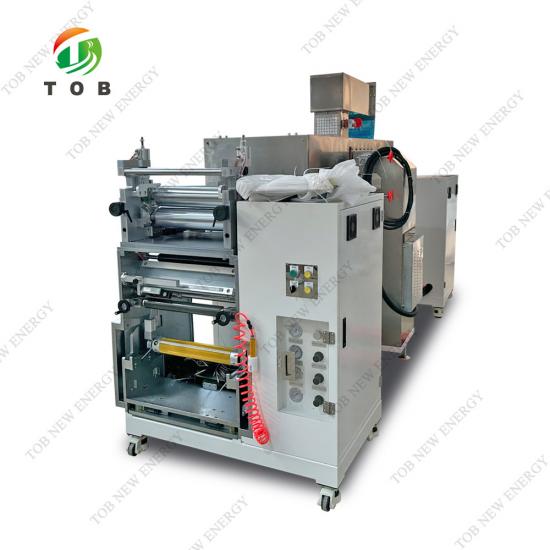
Roll to Roll Battery Electrode Coating Machine For Lithium ion Cells Electrode Preparation
Brand:
TOB NEW ENERGYitem no.:
TOB-JS400-2order(moq):
1setPayment:
L/C,T/Tproduct origin:
Chinashipping port:
XIAMEN
Roll-to-Roll Battery Electrode Coating Machine for Lithium-Ion Cell Electrode Preparation | TOB-JS400-2
Product Overview and Ideal Applications
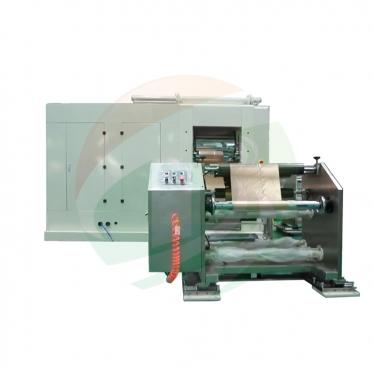
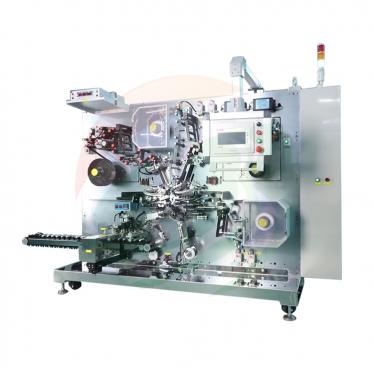
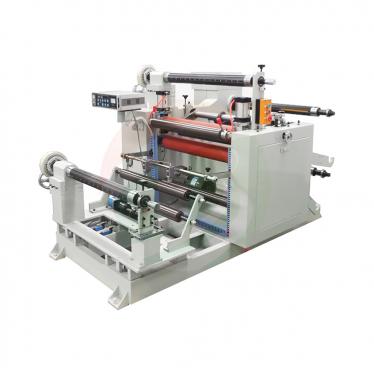
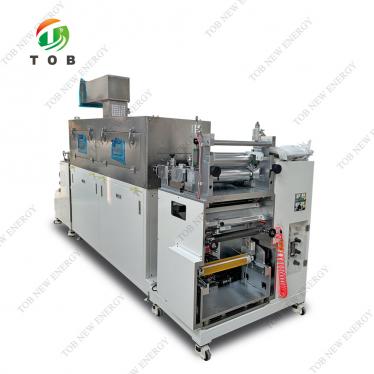
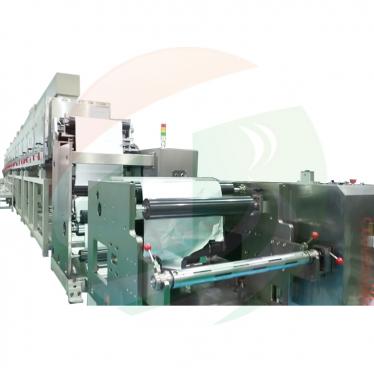
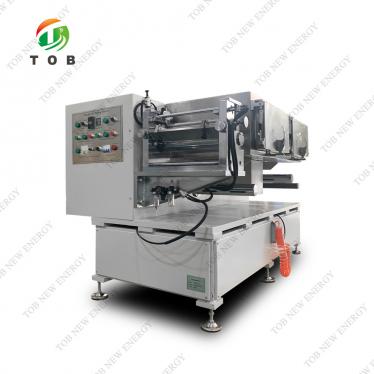
The TOB-JS400-2 is a roll-to-roll battery electrode coating machine purpose-built for the precision coating of cathode and anode electrodes for lithium-ion cells. The machine evenly applies the mixed electrode slurry onto a substrate foil, controlling the coating dimensions, weight, and uniformity within the process specification, then dries the coated web in an oven and rewinds it for the subsequent process steps.
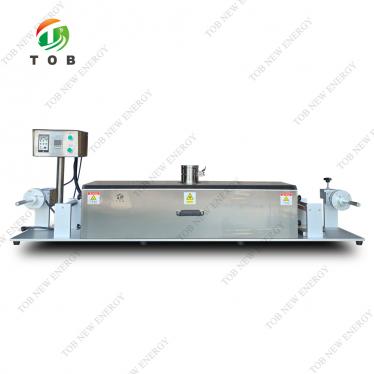
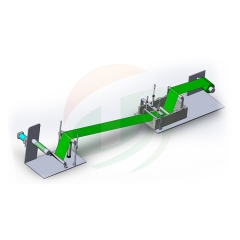
The TOB-JS400-2 integrates six principal sub-systems: the unwinding section, the machine head (coating) section, the oven section, the traction section, the winding section, and the electrical control section. The roll surface width is 400 mm, and the mechanical speed can reach 5 m/min when unloaded. The oven is electrically heated with a single-layer structure of 1 section × 2 m per section (2 m total) and a maximum temperature of 150 °C. The machine is designed for both cathode and anode processing, with base material specifications accommodating aluminium foil (cathode) of 8–15 µm thickness and copper foil (anode) of 6–12 µm thickness, in widths of 160–320 mm.
Two coating methods are available:
- Roll coating / transfer coating (for continuous and intermittent coating)
- Slot die coating (available through customization)
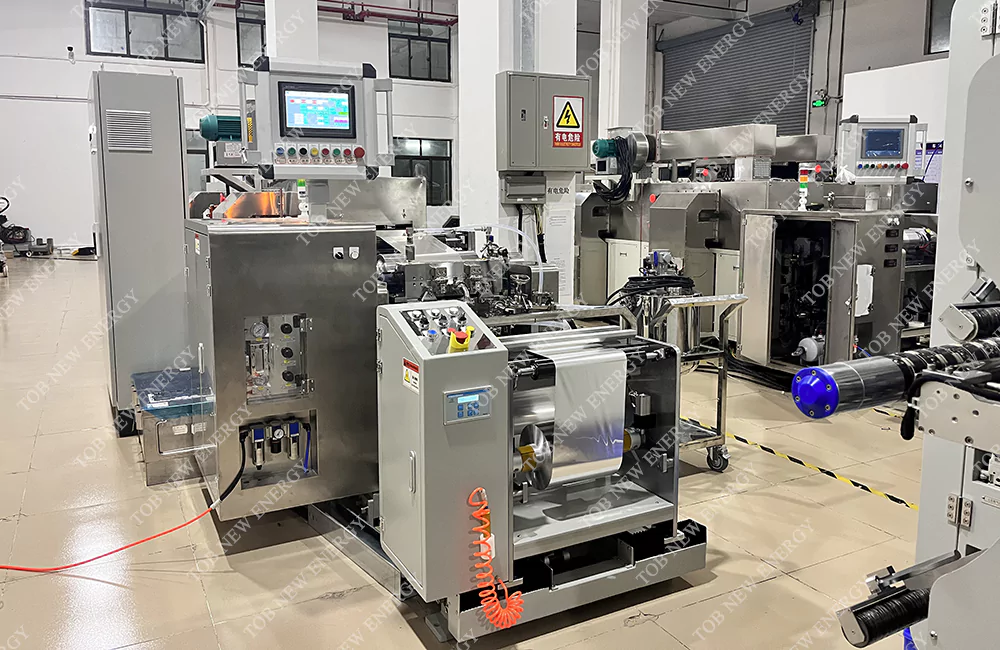
TOB-JS400-4 Slot Die Model
Ideal for:
- Lithium-ion battery electrode production lines requiring precision coating of cathode (aluminium foil) and anode (copper foil) slurries.
- Pilot-scale electrode manufacturing where roll-to-roll continuous processing is required for cell development and small-batch production.
- R&D facilities evaluating coating processes (continuous, intermittent, or stripe coating) for new electrode formulations.
- Manufacturers transitioning from lab-scale sheet coating to continuous roll-to-roll electrode coating.
Where the Roll-to-Roll Coating Step Fits in Lithium-Ion Cell Production
In the manufacturing chain for lithium-ion cells, electrode coating is the first major step after slurry preparation. The process sequence is:
- Slurry preparation: Active material, conductive carbon, and binder are mixed with solvent in a planetary mixer to form a homogeneous slurry.
- Coating (the TOB-JS400-2's role): The slurry is uniformly applied onto the current collector foil (aluminium for cathode, copper for anode) using the selected coating method. The coated web passes through the oven where the solvent is evaporated.
- Calendaring: The dried electrode is compressed to the target density.
- Slitting and cutting: The coated foil is slit to width and cut into electrode sheets or wound into electrode rolls.
- Cell assembly: The electrodes are combined with separators and assembled into the cell format.
The coating step is the single most critical determinant of electrode quality. The TOB-JS400-2 controls the coating dimensions (width, thickness) and coating weight within the process range, and the dried, rewound electrode roll is ready for the subsequent process. Because the machine supports continuous, intermittent, and stripe coating modes, it can produce both full-area coated electrodes and patterned electrodes required for certain cell designs.
Technical Specifications
Base Material Parameters
| Item | Cathode | Anode |
| Base material | Al foil | Cu foil |
| Width (mm) | 160–320 | 160–320 |
| Thickness (µm) | 8–15 | 6–12 |
Remark: The base material used for acceptance should not have any looseness, uneven thickness and weight, surface oil stains, or other phenomena that affect the performance of the tape and coating.
Coating Parameters
| Item | Cathode | Anode |
| Coating mode | Continuous, Intermittent, Stripe coating | Continuous, Intermittent, Stripe coating |
| Coating width (mm) | 150–300 | 150–300 |
| Dry thickness of single-sided coating (µm) | 70–350 | 60–350 |
| Single coating weight (g/m²) | 30–250 | 20–200 |
| Coating speed (m/min) | 0.5–1 | 0.5–1.5 |
Explanation: The coating speed is related to product characteristics (material system, coating thickness, solid content, temperature), and the maximum coating speed given in the table cannot meet special coating process requirements.
Equipment Specifications and Parameters
| No. | Item | Content |
| 1 | Roll surface width | 400 mm |
| 2 | Mechanical speed (unloaded) | Max. 5 m/min |
| 3 | Unwinding specifications | Roll diameter: Max. φ300 mm; Load bearing: Max. 100 kg; Roll specification: inner diameter 3 inches, approximately 76.2 mm, length 400 ± 3 mm; Roll material: metal, ABS plastic |
| 4 | Winding specifications | Roll diameter: Max. φ300 mm; Load bearing: Max. 100 kg; Roll specification: inner diameter 3 inches, approximately 76.2 mm, length 400 ± 3 mm; Roll material: metal, ABS plastic |
| 5 | Oven heating method | Electrical heating |
| 6 | Oven structure | 1 section × 2 m/section = 2 m, single layer |
| 7 | Oven temperature | Max. 150 °C |
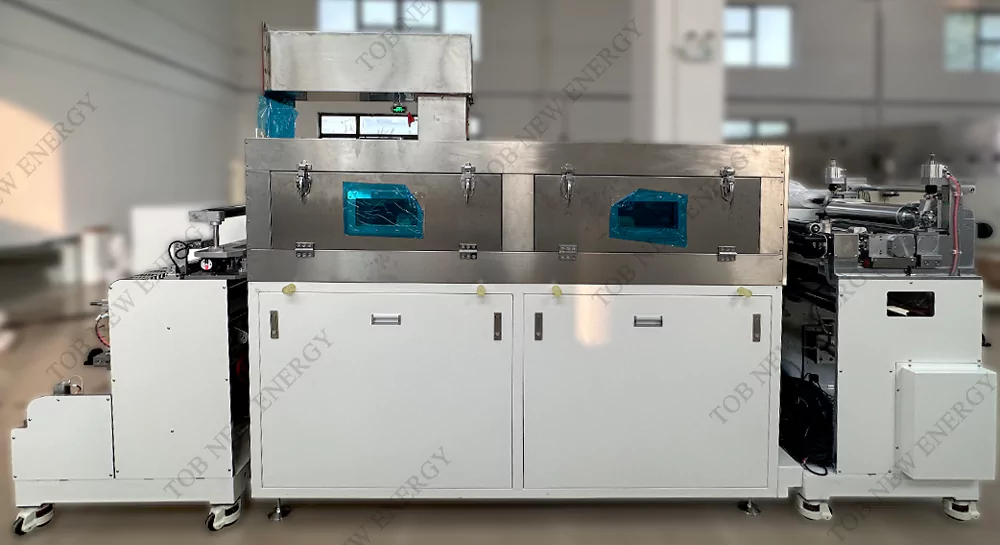
General Equipment Specifications
| No. | Item | Content |
| 1 | Overall dimensions | Equipment approximately L(4.3 m) × W(2.1 m) × H(2.5 m) (width includes electrical cabinet; length does not include installation space for surface density detector) |
| 2 | Power requirements |
1) Three-phase AC 380 V ± 10 %, 50 Hz, ground wire: protective grounding; 2) Equipment installed power: 25 kW, number of main power sources: 1 |
| 3 | Compressed air |
1) Compressed air pressure: ≥ 0.6 MPa, with a pressure fluctuation of ± 1 % (clean air after water removal, oil free, filtration, and pressure stabilization); 2) Compressed air consumption: 5 m³/h. Number of interfaces: 1/set (machine head); 3) Interface gas pipe specifications: Φ12 mm |
| 4 | Environmental requirements |
1) Environmental temperature: 25 ± 5 °C for the coating part (determined according to the buyer's process requirements); 2) Relative humidity: 10 %–30 % RH (determined according to the buyer's process requirements); 3) Cleanliness: Class 100000 (determined according to the buyer's process requirements) |
| 5 | Ground requirements |
1) Total weight of equipment: approximately 1.6 tons; 2) Cement or terrazzo flooring, with a flatness of ±5 mm/m² and a bearing capacity of ≥ 500 kg/m² |
| 6 | Oven air volume |
1) Maximum exhaust air volume, at 140 °C: positive electrode 1500 m³/h, negative electrode 1500 m³/h; 2) Maximum fresh air volume, at 60 °C: positive electrode 1100 m³/h, negative electrode 1100 m³/h |
Two Coating Methods Options
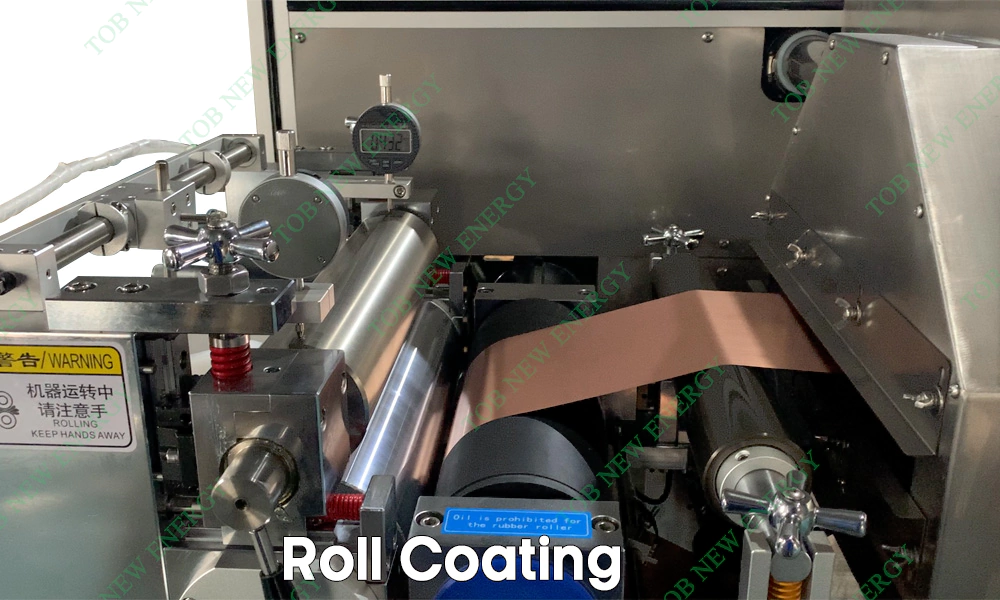
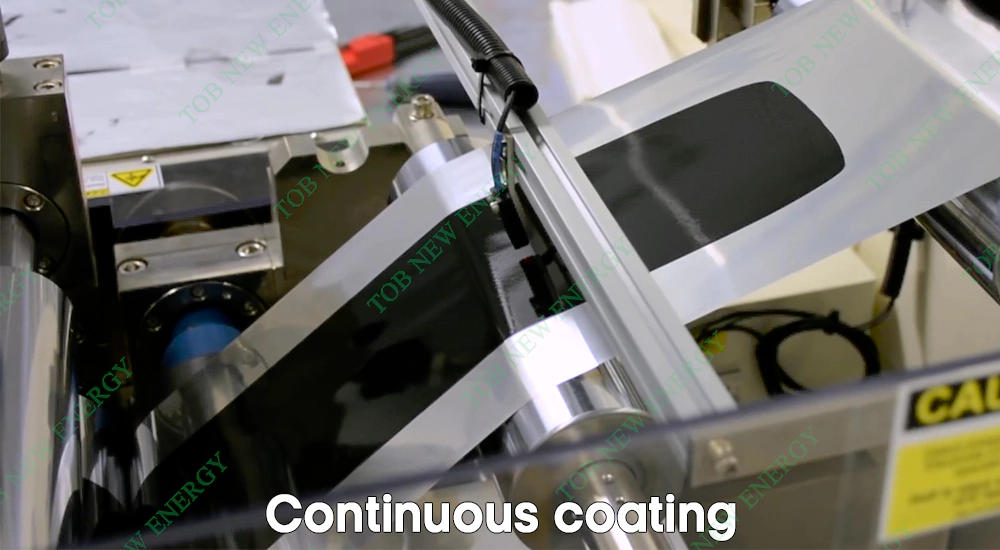
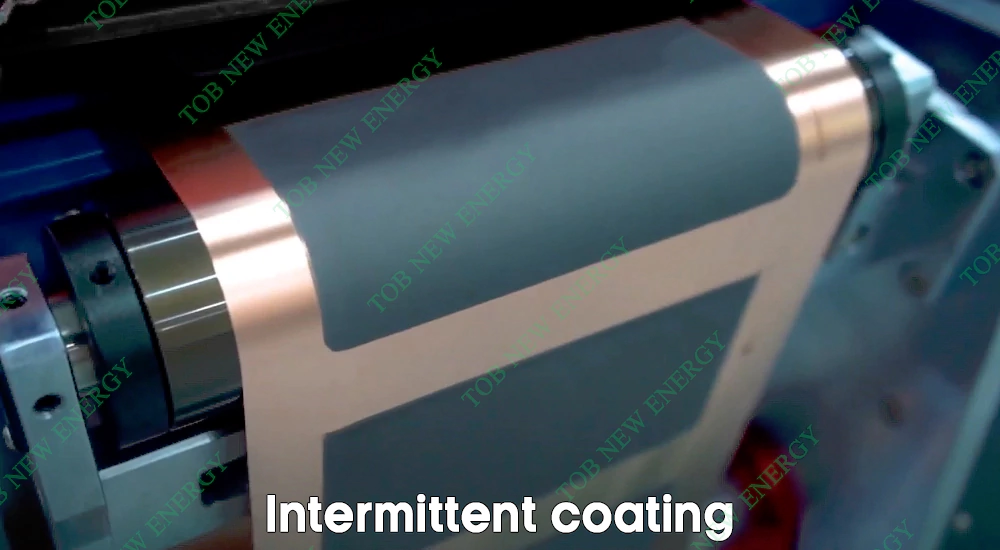
1. Roll Coating (Transfer Coating) -Continuous Coating and Intermittent Coating
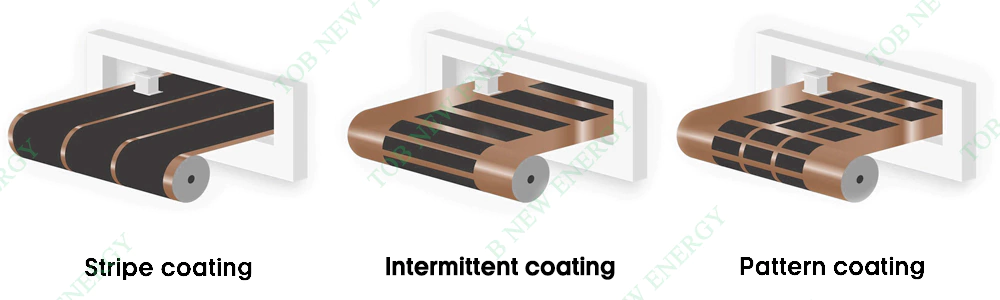
The roll/transfer coating method uses a coating roll to transfer the slurry from a metering system onto the substrate. This method supports both continuous coating (a full-width, continuous layer) and intermittent coating (patterned coating with uncoated regions), enabling the production of electrodes with patterned active-material coatings.
 |
 |
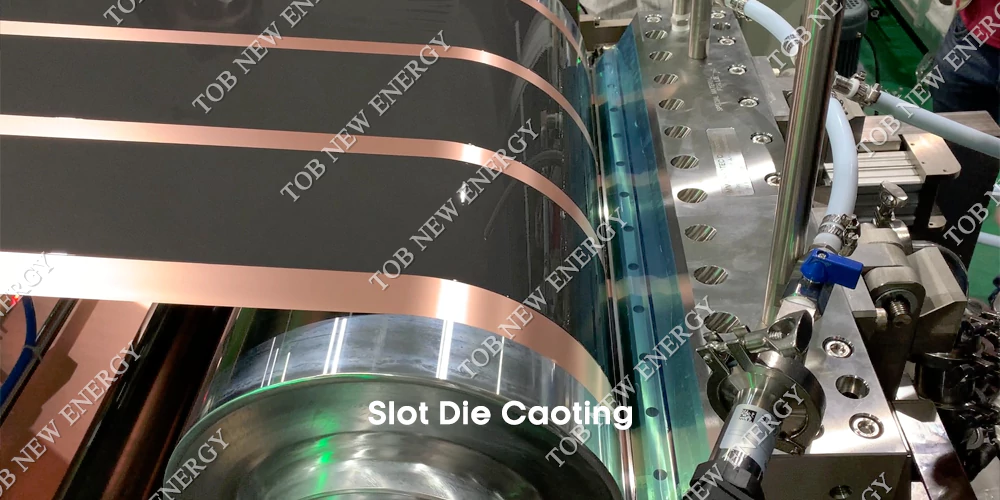
2. Slot Die Coating
Slot die coating uses a precision slot die head to extrude the slurry directly onto the substrate, providing the highest coating uniformity and the tightest thickness control. The TOB-JS400-2's standard configuration does not include slot die coating; users requiring this method should contact TOB for a customized configuration (referring to the TOB-JS400-4 slot die model).
Key Engineering Characteristics of the TOB-JS400-2
- Precision Coating for Both Cathode and Anode - The TOB-JS400-2 is configured to coat both cathode (aluminium foil) and anode (copper foil) electrodes, covering the full range of base material widths (160–320 mm) and thicknesses (8–15 µm Al, 6–12 µm Cu) used in lithium-ion cell electrode production.
- Multiple Coating Modes - The machine supports continuous, intermittent, and stripe coating modes, giving the operator the flexibility to produce full-area coatings or patterned coatings with uncoated regions. This versatility is essential for cell designs that require exposed current-collector regions for tab welding.
- Three Coating Method Options - Comma blade, roll/transfer, and slot die (customized) coating methods are available, allowing the user to select the metering principle that best matches the slurry rheology and the coating accuracy requirement. The slot die option (TOB-JS400-4 model) provides the highest thickness uniformity for advanced applications.
- Integrated Oven with Temperature Control up to 150 °C - The single-layer oven (1 section × 2 m = 2 m) is electrically heated with a maximum temperature of 150 °C. The oven air volume is sized for both positive and negative electrode drying (maximum exhaust air volume of 1500 m³/h at 140 °C for both; maximum fresh air volume of 1100 m³/h at 60 °C for both), ensuring adequate solvent removal and a safe, controlled drying environment.
- Roll-to-Roll Continuous Processing - The unwinding and winding sections accept rolls up to φ300 mm diameter with a load capacity of up to 100 kg, using standard 3-inch (76.2 mm) cores of 400 ± 3 mm length. The continuous roll-to-roll configuration enables high-throughput electrode production with minimal handling.
- Complete Sub-System Integration - The machine integrates unwinding, machine head (coating), oven, traction, winding, and electrical control sections into a single line, providing a complete electrode coating solution in a compact footprint (L4.3 m × W2.1 m × H2.5 m).
Practical Operation Recommendations
- Base material inspection: Before coating, verify that the aluminium or copper foil meets the acceptance criteria — no looseness, no uneven thickness and weight, and no surface oil stains. Substrate defects will propagate through the coating and affect the final electrode quality.
- Coating speed selection: The coating speed must be matched to the product characteristics (material system, coating thickness, solid content, and temperature). The maximum speeds in the specification table (0.5–1 m/min for cathode, 0.5–1.5 m/min for anode) cannot meet special coating process requirements; start at a conservative speed and increase gradually while monitoring the dried coating quality.
- Oven temperature profile: Set the oven temperature based on the solvent system and the target drying rate. A gradual temperature ramp across the single 2 m section prevents surface skinning and binder migration. Monitor the residual solvent to confirm complete drying.
- Compressed air: The machine requires clean, dry, oil-free compressed air at ≥ 0.6 MPa with a pressure fluctuation of ± 1 %. Install a filter-regulator unit to maintain a stable, clean air supply to the machine head.
- Environmental control: The coating area should be maintained at 25 ± 5 °C and 10 %–30 % RH (per the buyer's process requirements) to ensure consistent slurry behaviour and drying. The cleanliness requirement is Class 100000.
Engineering FAQ
Q1: What is the difference between the TOB-JS400-2 and the TOB-JS400-4?
The TOB-JS400-2 is the standard roll-to-roll electrode coating machine supporting comma blade and transfer coating methods. The TOB-JS400-4 is the slot die model, which uses a precision slot die head for higher coating uniformity and tighter thickness control. If you require slot die coating, contact TOB for the customized TOB-JS400-4 configuration.
Q2: Can the TOB-JS400-2 perform intermittent coating?
Yes. The roll/transfer coating method supports both continuous coating and intermittent coating. Intermittent coating produces patterned electrodes with uncoated regions, which is useful for cell designs requiring exposed current-collector areas for tab welding. Stripe coating (multiple parallel coating stripes) is also supported.
Q3: What is the maximum coating speed?
The mechanical speed (unloaded) is up to 5 m/min, but the practical coating speed is limited by the drying capacity of the oven and the product characteristics. The specified coating speeds are 0.5–1 m/min for cathode and 0.5–1.5 m/min for anode. The maximum coating speed given in the table cannot meet special coating process requirements.
Q4: What are the utility requirements for the TOB-JS400-2?
The machine requires: three-phase AC 380 V ± 10 %, 50 Hz power (installed power 25 kW); compressed air at ≥ 0.6 MPa with a consumption of 5 m³/h (1 interface at the machine head, Φ12 mm pipe); and a cement or terrazzo floor with a flatness of ±5 mm/m² and a bearing capacity of ≥ 500 kg/m². The total equipment weight is approximately 1.6 tons.
Q5: Can the TOB-JS400-2 coat solid electrolytes or dry electrode materials?
The TOB-JS400-2 is designed for the wet coating of liquid electrode slurries onto current collector foils. It is not designed for dry electrode film forming. For dry electrode processing, TOB offers dedicated dry electrode equipment. For specialized coating of solid electrolyte slurries, contact TOB to discuss customization of the coating head and drying system.
Ready to produce precision-coated cathode and anode electrodes on a continuous roll-to-roll line? Request a quotation for the TOB-JS400-2, or contact our coating process engineers to discuss the slot die configuration (TOB-JS400-4) and the optimal coating method for your slurry formulation.
tob.amy@tobmachine.com | +86 181 2071 5609
You May Also Need
- Film Coating Machine with Dryer — A film coating machine with an integrated drying system for laboratory-scale coating applications. Complements the TOB-JS400-2 for smaller batch electrode or film coating work.
- Doctor Blade Coating Machine for Battery Electrode — A precision doctor blade coating machine for battery electrode coating. Provides an alternative coating platform for lab-scale or pilot electrode fabrication where a full roll-to-roll line is not required.
- High Precision Slot Die Coating Machine for Lithium Battery Electrode — A high-precision slot die coating machine for lithium battery electrodes. Complements the TOB-JS400-2 by providing a dedicated slot die platform for applications requiring the highest coating uniformity and thickness control.
Previous:
Laboratory Transfer Coating Machine For Battery ElectrodeNext:
4680 Tabless Battery Cells Slot Die Coater Electrode Coating Machine
If you are interested in our products and want to know more details,please leave a message here,we will reply you as soon as we can.

 subscribe to us