Chinese
 français
 Deutsch
 italiano
 español
 português
 Nederlands
 日本語
日本語 한국의
한국의




- Home
- >
- Battery Materials
- >
- Anode Active Material
- >
- LTO Single-Side Coated Aluminum Foil Anode
Categories
Hot Products
Loading...
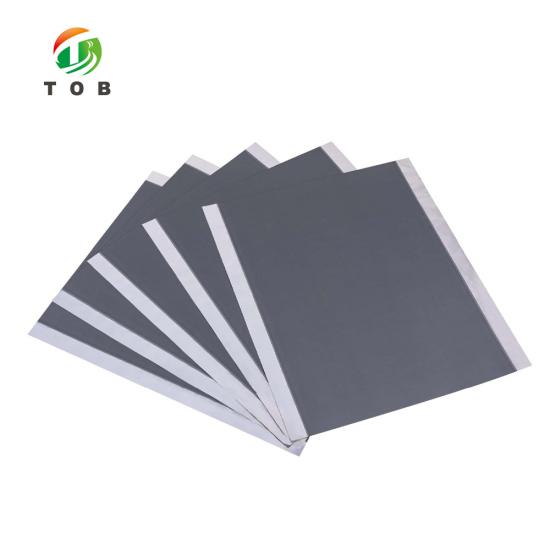
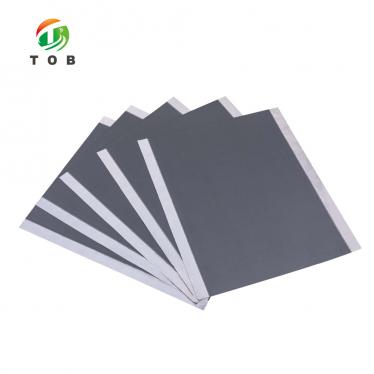
LTO Single-Side Coated Aluminum Foil Anode
Brand:
TOB NEW ENERGYitem no.:
TOB-LTO-Aorder(moq):
1Payment:
L/C,T/Tproduct origin:
Chinashipping port:
XIAMEN
LTO Single-Side Coated Aluminum Foil Anode Electrode for Lithium-Ion Battery Research
Product Overview and Ideal Applications
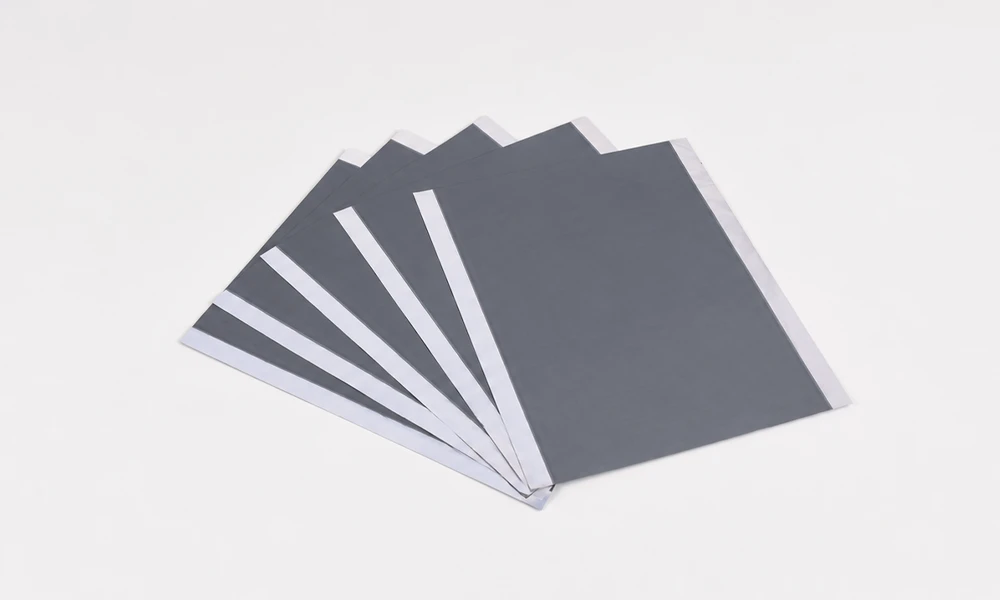
Lithium titanate (Li₄Ti₅O₁₂, LTO) is a well-established anode material for lithium-ion batteries, valued for its zero-strain structure, long cycle life, excellent rate capability, and intrinsically safe operating characteristics. The TOB-LTO-A is a ready-to-use single-side coated LTO anode electrode: lithium titanate active material has been coated onto one face of a 16 μm aluminum foil current collector, dried, and calendared to a controlled density. The electrode is supplied as pre-cut sheets of L 241 mm × W 200 mm, packaged 5 sheets per pack, eliminating the need for users to coat, dry, and calender their own LTO electrodes during cell assembly research.
Because LTO anodes are paired with high-voltage cathode materials (such as NMC, LFP, or LCO) in cells that require long cycle life and high power, the TOB-LTO-A is a convenient, quality-controlled building block for coin-cell, single-layer pouch-cell, and multi-layer pouch-cell research. The electrode is designed for assembly in a glovebox or dry environment, and it is supplied with a defined active-material mass fraction (93.5 %) and a documented active-material calculation formula so that researchers can compute the exact active loading for each test cell.
Ideal for:
- Researchers assembling coin cells or single-layer pouch cells to evaluate LTO anodes against various cathode chemistries.
- Comparative studies between LTO anodes and graphite or silicon anodes for high-rate and long-cycle-life applications.
- Academic and industrial laboratories that need a consistent, quality-controlled LTO anode electrode without investing in coating and calendaring equipment.
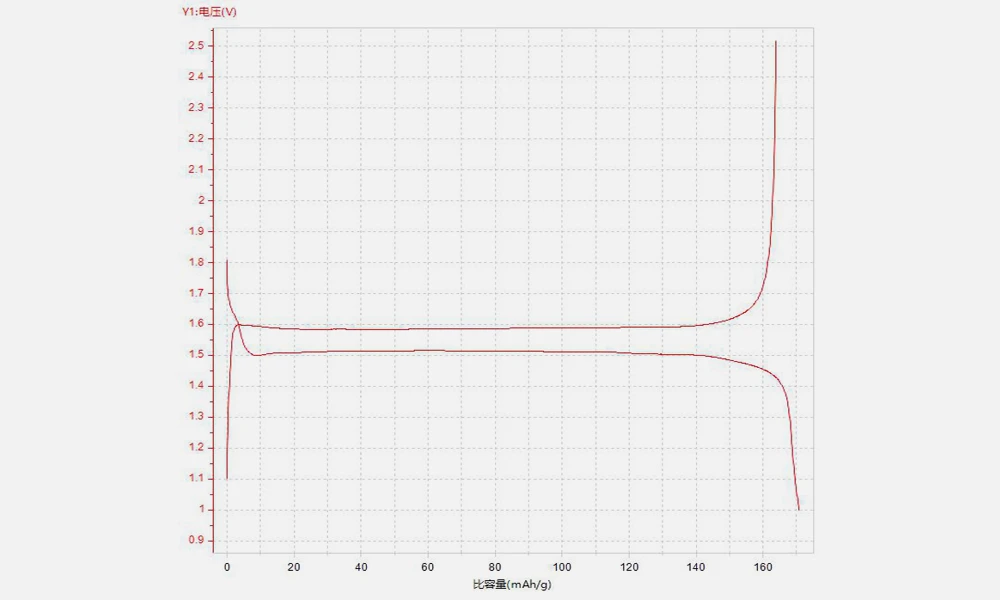
- Battery testing programs that require a defined voltage window (1.0–2.5 V) and a known specific capacity (160 mAh/g at 0.1C) for reproducible cell assembly.
Where the LTO Anode Electrode Fits in Battery Research and Assembly
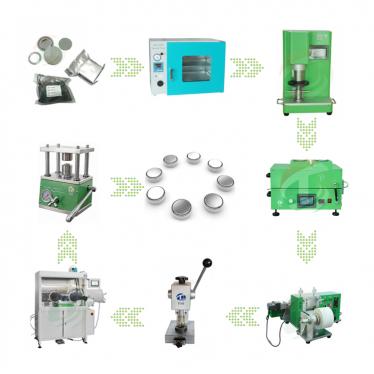
In a typical battery research workflow, the TOB-LTO-A electrode is used as the anode component in coin-cell or pouch-cell assembly. The electrode is supplied ready for cutting, weighing, drying, and assembly. The recommended usage sequence is as follows:
1. Electrode Cutting
The TOB-LTO-A sheet is cut to the required electrode disc size for coin-cell assembly. For coin cells, the recommended electrode disc diameters are 12 mm or 14 mm. A manual coin-cell electrode disc cutting machine (TOB-CP60) is recommended for this step. The cutting machine produces clean-edged discs without burrs that could cause internal short circuits.
Recommended cutter: Manual Coin-Cell Electrode Disc Cutting Machine (TOB-CP60)
2. Electrode Weighing
After cutting, the electrode disc is weighed on an electronic analytical balance to determine its mass. This mass is used to calculate the active material loading of the cell. TOB recommends the TOB-JA11033 electronic analytical balance for this step.
Recommended balance: Electronic Analytical Balance (TOB-JA11033)
Active material calculation formula: Active material mass = (electrode disc mass (mg) − disc area (cm²) × current collector areal density (mg/cm²)) × active material mass fraction
Using the TOB-LTO-A specifications: the current collector areal density is 4.22 mg/cm², and the active material mass fraction is 93.5 % (verify the active material fraction against the label of the actual electrode batch).
3. Electrode Baking
The cut electrode discs should be baked in a vacuum oven at 60–80 °C for 2–4 hours before assembly to remove adsorbed moisture. This step is essential for consistent cell performance, as residual moisture can react with the electrolyte and degrade the first-cycle efficiency.
Recommended oven: Vacuum Lab Oven (TOB-DZF-6050)
4. Cell Assembly
Cell assembly is performed inside a glovebox under an inert atmosphere to protect both the LTO electrode and the lithium counter electrode (for half-cells) from moisture and oxygen. The recommended assembly sequence for a coin-cell half-cell with a lithium metal counter electrode is:
Negative case → Lithium disc → Electrolyte → Separator → Electrolyte → LTO electrode disc → Spacer → Spring → Positive case
The following equipment is recommended:
- Glovebox: Single Workstation Glove Box (TOB-GB-1220)
- Coin-cell crimper: Hydraulic Manual Coin-Cell Crimper (TOB-MR-120)
5. Battery Testing
The assembled cell is tested on a battery testing system. The current is calculated from the active material mass and the nominal specific capacity. The calculation is:
0.1C current = 1C × 0.1
where 1C current (mA) = active material mass (mg) × 0.001 × nominal specific capacity (mAh/g)
Using a nominal specific capacity of 160 mAh/g, a 0.1C current for a 5 mg active material loading would be 5 × 0.001 × 160 × 0.1 = 0.08 mA. The voltage range should be set to 1.0–2.5 V per the electrode specification.
Recommended tester: 8-Channel Three-Range Button Cell Tester (TOB-CT-4008-5V10mA-164)
Technical Specifications
| Item | Parameter |
| Electrode Size | L: 241 mm × W: 200 mm |
| Coating Area Size | L: 241 mm × W: 175 mm (12.5 mm uncoated margin on each side) |
| Coated Side | Single-side coated (calendared) |
| Current Collector Thickness | 16 μm |
| Coating Areal Density | 12 ± 0.2 mg/cm² |
| Current Collector Areal Density | 4.22 mg/cm² |
| Active Material Mass Fraction | 93.50% |
| Voltage Range | 1.0–2.5 V |
| Specific Capacity | 160 mAh/g (0.1C) |
| Compacted Density | 1.6 ± 0.1 g/cm³ |
Packaging: 5 sheets per pack
Notes:
- The active material mass fraction of the electrode shall be subject to the label on the actual product. The active material calculation formula is provided in the usage section above.
- After opening the electrode package, seal and store the remaining sheets properly. The electrode sheets can be stored in a glovebox or in a 60 °C oven.
Material name: Negative electrode single-side coated — aluminum foil coated with lithium titanate (LTO), single-side electrode
Application: Lithium-ion battery anode material
Key Engineering Characteristics of TOB-LTO-A
- Ready-to-Use Single-Side Coated Electrode - The TOB-LTO-A eliminates the need for slurry preparation, coating, drying, and calendaring in the research laboratory. The electrode is supplied as pre-cut sheets with a defined coating areal density (12 ± 0.2 mg/cm²) and compacted density (1.6 ± 0.1 g/cm³), providing a consistent, quality-controlled anode for cell assembly.
- Zero-Strain LTO Active Material - Lithium titanate undergoes negligible volume change during lithium intercalation and de-intercalation, which is the basis of its exceptional cycle life and structural stability. When combined with a suitable cathode, LTO-based cells can deliver hundreds of thousands of cycles with minimal capacity fade.
- Defined Specific Capacity (160 mAh/g at 0.1C) - The specified specific capacity provides a reliable basis for calculating the test current during cell cycling. Using the provided formula, researchers can compute the exact 0.1C, 0.5C, or 1C current for their specific electrode loading, enabling reproducible test conditions across cells and batches.
- Controlled Voltage Window (1.0–2.5 V) - The electrode is rated for a 1.0–2.5 V voltage window, which is the typical operating range for LTO anodes paired with high-voltage cathodes. The flat LTO voltage plateau (~1.55 V vs. Li⁺/Li) provides a stable operating potential that is intrinsically safe against lithium plating.
- Aluminum Foil Current Collector (16 μm) - Unlike graphite anodes that require copper foil, LTO operates at a higher potential and can use lightweight aluminum foil as the current collector. The 16 μm aluminum foil provides good conductivity and reduces the inactive weight of the electrode, contributing to higher gravimetric energy density.
- High Active Material Mass Fraction (93.5 %) - The high active material content relative to binder and conductive additives ensures that the measured electrode performance closely reflects the intrinsic properties of the LTO material, which is important for material evaluation and comparative studies.
Recommended Storage and Handling
- Storage: Keep the electrode sheets in the sealed original packaging in a dry environment. After opening, store the remaining sheets in a glovebox or in a 60 °C oven as specified by the manufacturer, to prevent moisture adsorption.
- Handling: Handle the electrode sheets with clean tweezers or powder-free gloves. Avoid touching the coated surface, as skin oils and moisture can introduce contamination that affects the cell's first-cycle efficiency.
- Pre-assembly baking: Bake the cut electrode discs at 60–80 °C for 2–4 hours under vacuum immediately before cell assembly, as described in the usage sequence.
- Cutting: For coin-cell assembly, cut the electrode into 12 mm or 14 mm diameter discs using a manual disc cutter. For pouch cells, the electrode can be cut to the required rectangular dimensions with a precision cutter.
Engineering FAQ
Q1: Why is aluminum foil used as the current collector for the LTO anode instead of copper foil?
LTO operates at a higher potential (~1.55 V vs. Li⁺/Li) than graphite, which means aluminum does not corrode or alloy with lithium at the anode operating potential. This allows the lighter and lower-cost aluminum foil to replace copper foil, reducing the electrode's inactive weight and cost. This is one of the key advantages of LTO over graphite anodes.
Q2: What is the active material calculation formula, and how do I use it?
The formula is: Active material mass = (electrode disc mass (mg) − disc area (cm²) × current collector areal density (mg/cm²)) × active material mass fraction
For example, for a 14 mm diameter disc (area = 1.54 cm²) weighing 25 mg, using the TOB-LTO-A values (current collector areal density 4.22 mg/cm², active material fraction 93.5 %):
- Foil mass = 1.54 × 4.22 = 6.5 mg
- Coating mass = 25 − 6.5 = 18.5 mg
- Active material mass = 18.5 × 0.935 = 17.3 mg
This active material mass is then used to calculate the test current.
Q3: What is the recommended coin-cell assembly sequence for an LTO half-cell?
The recommended sequence is: Negative case → Lithium disc → Electrolyte → Separator → Electrolyte → LTO electrode disc → Spacer → Spring → Positive case. The LTO electrode is the positive-side electrode in this configuration (tested against lithium metal), and the cell is crimped using a hydraulic manual coin-cell crimper.
Q4: How should I calculate the test current for cycling the assembled cell?
The test current is calculated from the active material mass and the nominal specific capacity (160 mAh/g): 1C current (mA) = active material mass (mg) × 0.001 × 160 (mAh/g) 0.1C current = 1C current × 0.1
For example, for an active material mass of 17.3 mg: 1C current = 17.3 × 0.001 × 160 = 2.77 mA; 0.1C current = 0.277 mA. Set the voltage range to 1.0–2.5 V.
Q5: How should the remaining electrode sheets be stored after the package is opened?
Per the manufacturer's instructions, the electrode sheets should be sealed and stored in a glovebox or in a 60 °C oven after the package is opened. This prevents moisture adsorption onto the LTO coating, which would increase the cell's residual moisture and affect the formation efficiency.
Ready to assemble reproducible LTO half-cells or full cells with a pre-coated, quality-controlled anode electrode? Request a quotation for TOB-LTO-A, or contact our battery materials engineers for guidance on electrolyte pairing, cell fixture compatibility, and test current calculation.
tob.amy@tobmachine.com | +86 181 2071 5609
Previous:
Lithium Titanate Li4Ti5O12 Anode Materials PowderNext:
Natural graphite powder for high-end lithium ion battery
If you are interested in our products and want to know more details,please leave a message here,we will reply you as soon as we can.

 subscribe to us