Chinese
 français
 Deutsch
 italiano
 español
 português
 Nederlands
 日本語
日本語 한국의
한국의




- Home
- >
- Lab Furnace
- >
- Tube Furnace
- >
- 1700°C Tube Furnace for Materials R&D
Categories
Hot Products
Loading...
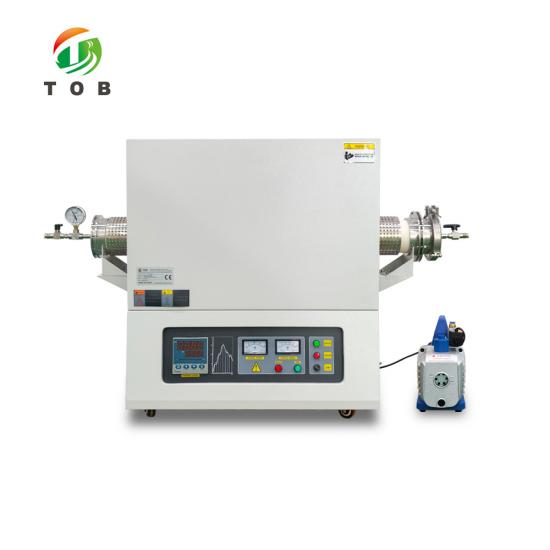
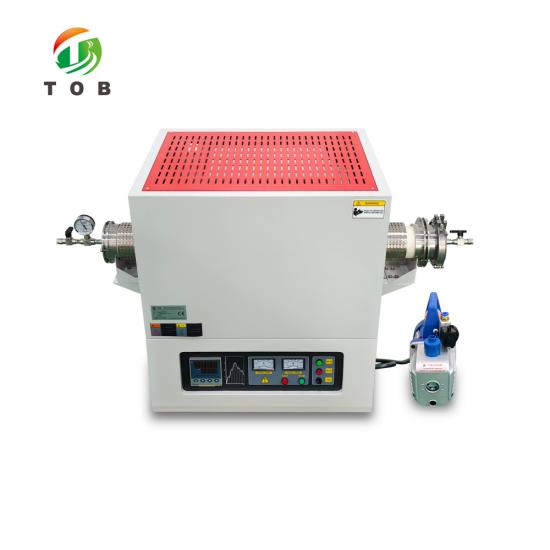
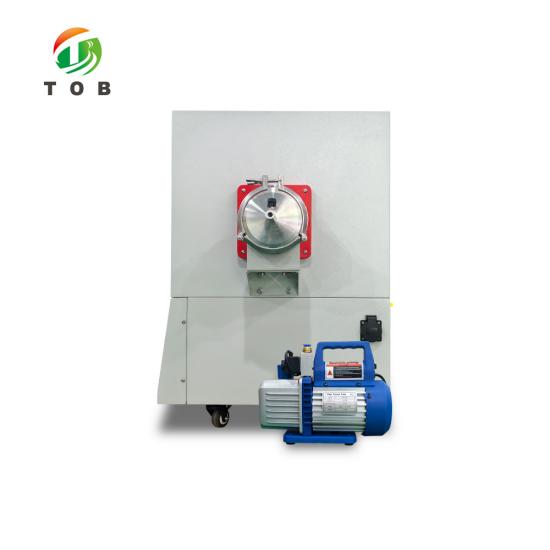
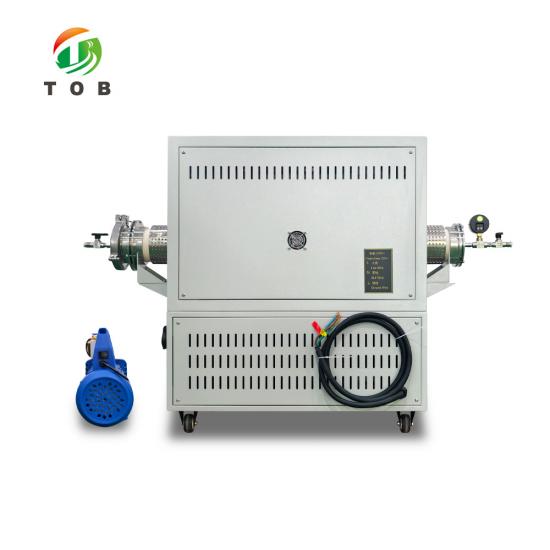
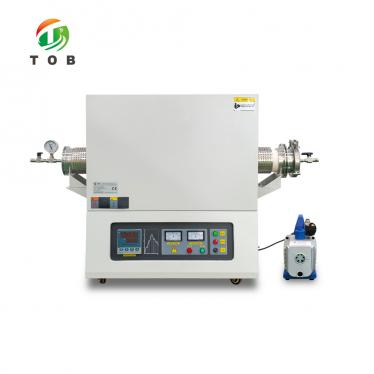
1700°C Tube Furnace for Materials R&D
Brand:
TOB NEW ENERGYitem no.:
TOB-K2-6-17TPD3order(moq):
1setPayment:
L/C,T/Tproduct origin:
Chinashipping port:
XIAMEN
1700°C High-Temperature Tube Furnace with Multi-Zone Configuration — TOB-K2-6-17TPD3
Product Overview and Ideal Applications
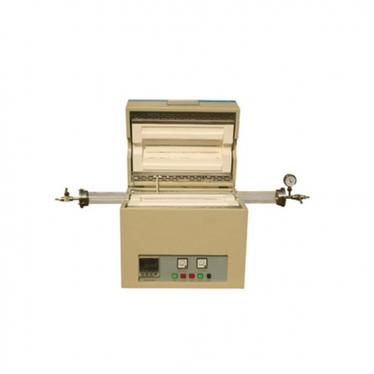
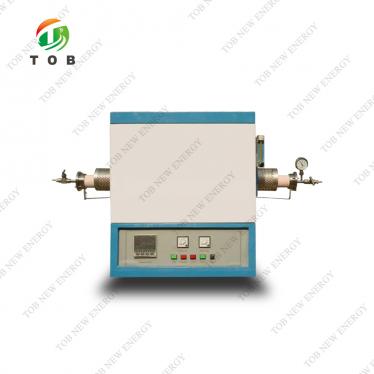
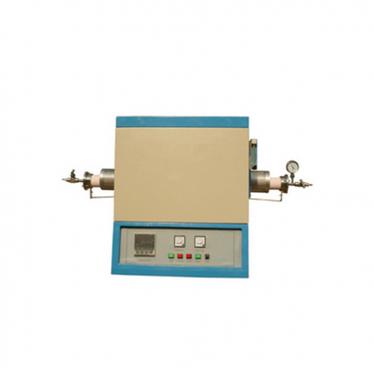
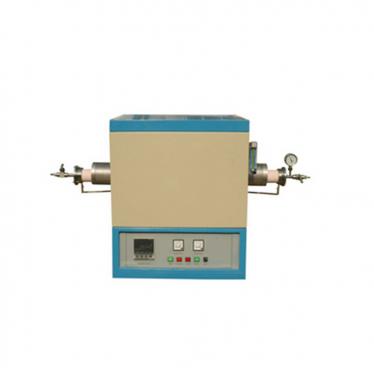
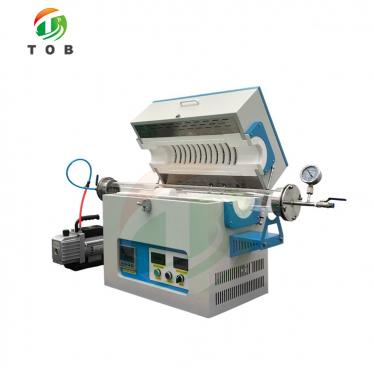
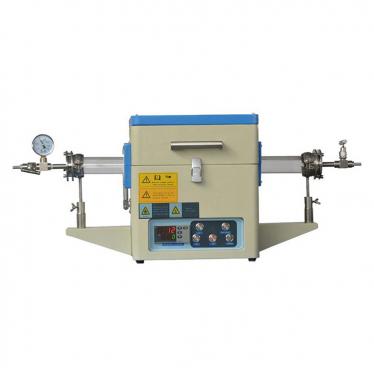
A tube furnace is a high-temperature furnace in which the heating chamber is a cylindrical tube through which the work piece is heated, typically under a controlled gas atmosphere. The TOB-K2-6-17TPD3 is a 1700 °C tube furnace from the K2 series, built around high-purity quartz or high-purity alumina corundum furnace tubes that are available in both horizontal and vertical configurations. Standard tube diameters are 40 mm, 60 mm, 80 mm, and 100 mm (customizable), and standard heating zones are 150 mm, 205 mm, 350 mm, and 440 mm (customizable). Zone configurations range from single, dual, and triple to quintuple zones, and a rotary tilting system can be fitted to the furnace body for special processing requirements.
The TOB-K2-6-17TPD3 uses silicon-molybdenum (MoSi₂) heating elements to reach a design temperature of 1700 °C, with an operating temperature range of 0–1600 °C when using an alumina tube. The temperature control accuracy is ±1 °C, monitored by a B-type thermocouple (0–1820 °C measuring range). The furnace is powered by single-phase 220 V and is equipped with a 30-segment programmable PID self-tuning intelligent temperature controller that automates heating and cooling without operator intervention.
The furnace is designed for the rigours of scientific research and small-batch production. The double-layer forced air-cooling housing keeps the external surface close to room temperature even at high temperatures, and the stepped assembly furnace chamber distributes stress uniformly during heating, preventing heat loss and extending service life. The lightweight alumina ceramic fiber insulation provides excellent thermal insulation while being crack-free, non-caking, and slag-free, ensuring no contamination of the fired products.
Ideal for:
- Ceramics, metallurgy, electronics, glass, chemical, mechanical, and refractory materials research and small-batch production.
- New material development, including battery material synthesis (cathode precursor calcination, solid-state electrolyte sintering) at temperatures up to 1700 °C.
- University teaching and research applications requiring a high-temperature furnace with programmable heating profiles.
- Processes requiring controlled gas atmospheres (inert gases, mixed gases, nitrogen, oxygen, carbon monoxide, argon) or vacuum conditions.
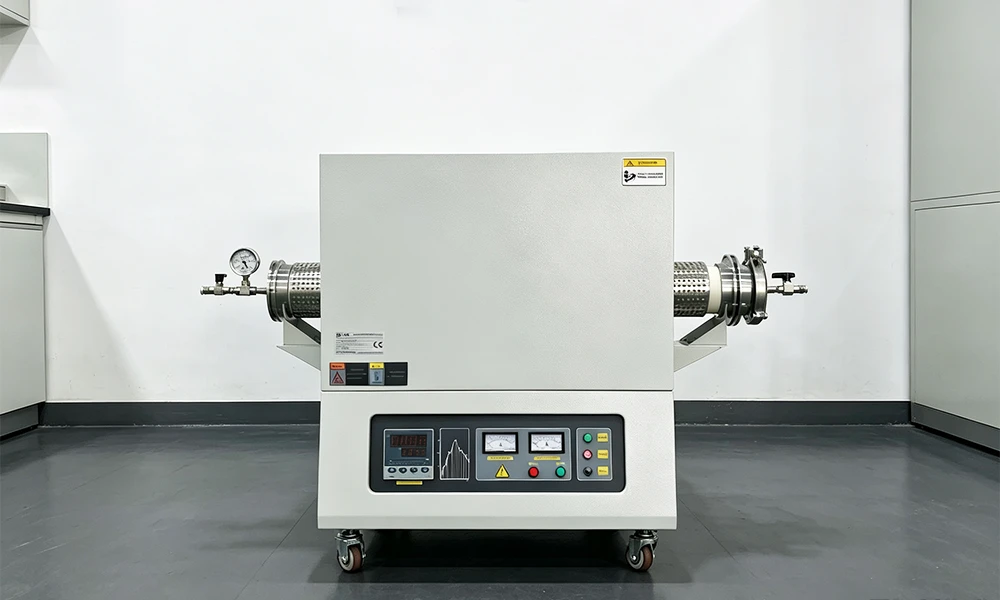
Where the 1700 °C Tube Furnace Fits in Materials Research and Battery Development
In battery materials research and production, a 1700 °C tube furnace serves the high-temperature synthesis and heat-treatment steps that cannot be performed in lower-temperature (1200 °C) furnaces. The TOB-K2-6-17TPD3 is used for:
- Cathode material synthesis: Calcination of cathode precursors at temperatures up to 1700 °C for materials such as high-nickel oxides, spinel oxides, and certain phosphate compounds that require higher sintering temperatures.
- Solid-state electrolyte processing: Sintering of oxide solid electrolytes (e.g., LLZO, LATP, LAGP) at 1100–1200 °C, or high-temperature synthesis of specialized ceramic electrolytes.
- Anode material treatment: High-temperature carbonization or graphitization studies of carbon materials, and silicon-based anode precursor heat treatment.
- General materials research: Ceramics, metallurgy, glass, and refractory material processing where the combination of high temperature, controlled atmosphere, and programmable heating profiles is required.
The multi-zone configuration is particularly valuable for processes that require a long, uniform-temperature zone. A triple-zone or quintuple-zone configuration with independent zone control allows the user to maintain a flat temperature profile over a long sample length, which is essential for producing uniform material batches. The rotary tilting option enables processes where the sample or crucible must be tilted or rotated during heating, such as certain powder reactions.
Key Engineering Characteristics of the TOB-K2-6-17TPD3
-
1700 °C Design Temperature with Silicon-Molybdenum Heating Elements
The MoSi₂ heating elements allow a design temperature of 1700 °C and a continuous operating temperature of 0–1600 °C (with an alumina tube). Silicon-molybdenum elements provide excellent high-temperature oxidation resistance and long service life, making them the industry standard for 1700 °C-class furnaces. -
Multi-Zone Configuration for Long Uniform Temperature Zones
The K2 series offers single, dual, triple, and quintuple zone configurations, with standard heating zones of 150 mm, 205 mm, 350 mm, and 440 mm (customizable). Multi-zone control is essential for maintaining a uniform temperature profile over long sample lengths, ensuring consistent material processing across the entire furnace tube. -
High Precision Temperature Control (±1 °C)
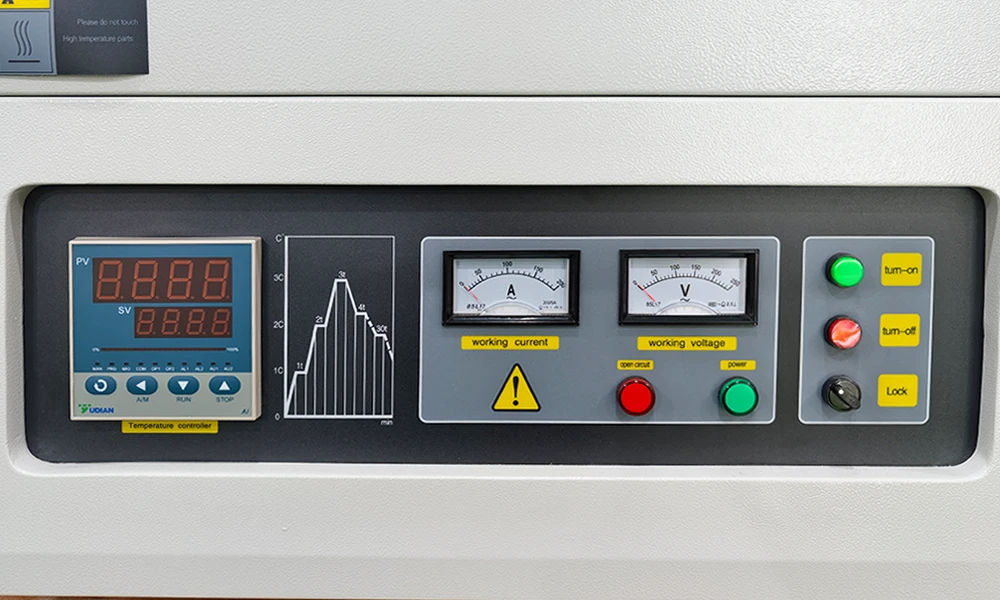
The furnace employs a 30-segment programmable PID self-tuning intelligent temperature controller with automatic heating and cooling. The temperature control accuracy is ±1 °C, monitored by a B-type thermocouple (0–1820 °C). An optional RS-485 communication interface allows connection to a computer for start/stop control, alarm/stop heating, setting and storing heating curves, and recording historical curves. -
Dual-Loop Safety Protection
The furnace uses integrated circuitry and modular control with dual-loop protection, including over-temperature protection, thermocouple breakage protection, overcurrent protection, and overpressure protection. These redundant safety systems ensure stable, reliable, and safe operation, particularly important for unattended long-duration heating programs. -
Atmosphere and Vacuum Capability
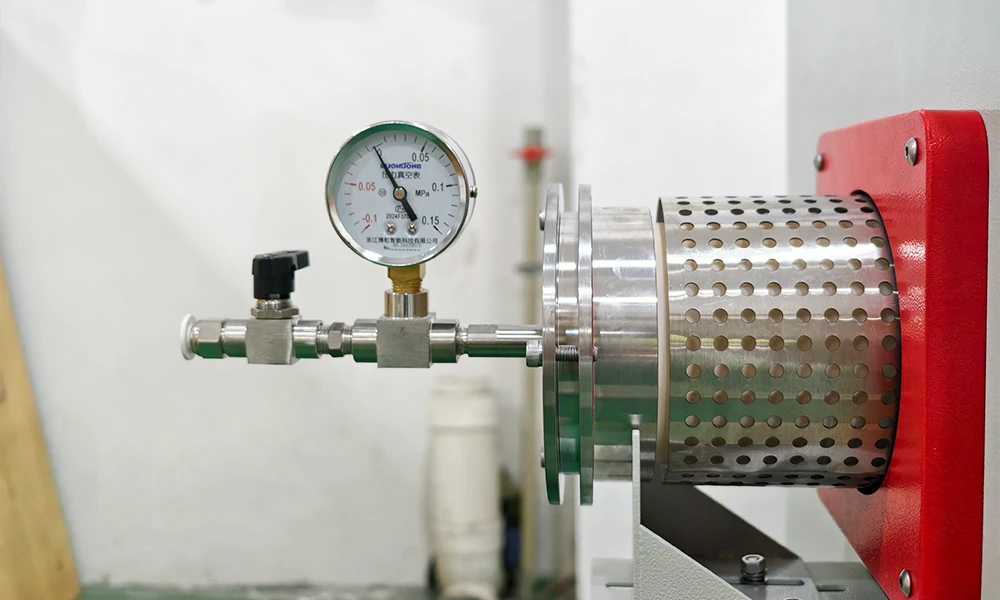
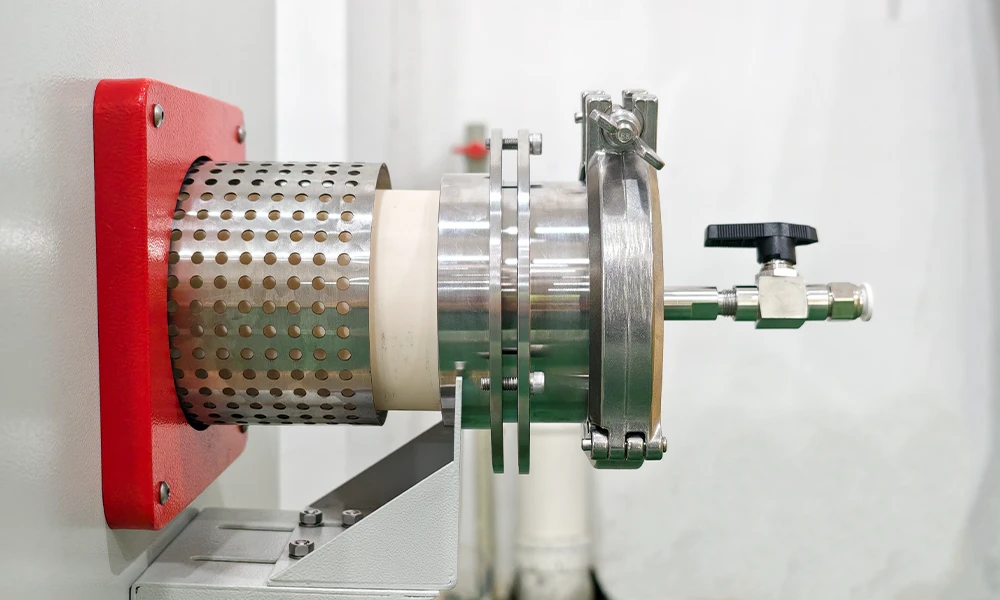
The furnace supports all inert gases, mixed gases, nitrogen, oxygen, carbon monoxide, and argon. The inlet end can be equipped with one or more inlets, each with a needle valve and vacuum gauge; the outlet end connects to one outlet port and one vacuum port, all with needle valves. A vacuum pump is included with the furnace, enabling vacuum heat treatment as well as controlled-atmosphere processing. -
Double-Layer Forced Air-Cooling Housing
The furnace shell adopts a double-layer forced air-cooling structure, ensuring that the external temperature of the furnace shell remains close to room temperature even at high temperatures, preventing accidental burns and protecting nearby equipment and operators. -
Lightweight Alumina Ceramic Fiber Insulation
The furnace chamber uses internationally advanced lightweight alumina ceramic fiber, offering excellent thermal insulation, low weight, and high temperature resistance. The insulation is crack-free, non-caking, and slag-free, ensuring no contamination of the fired products. Energy efficiency is 60–80 % of older electric furnaces. -
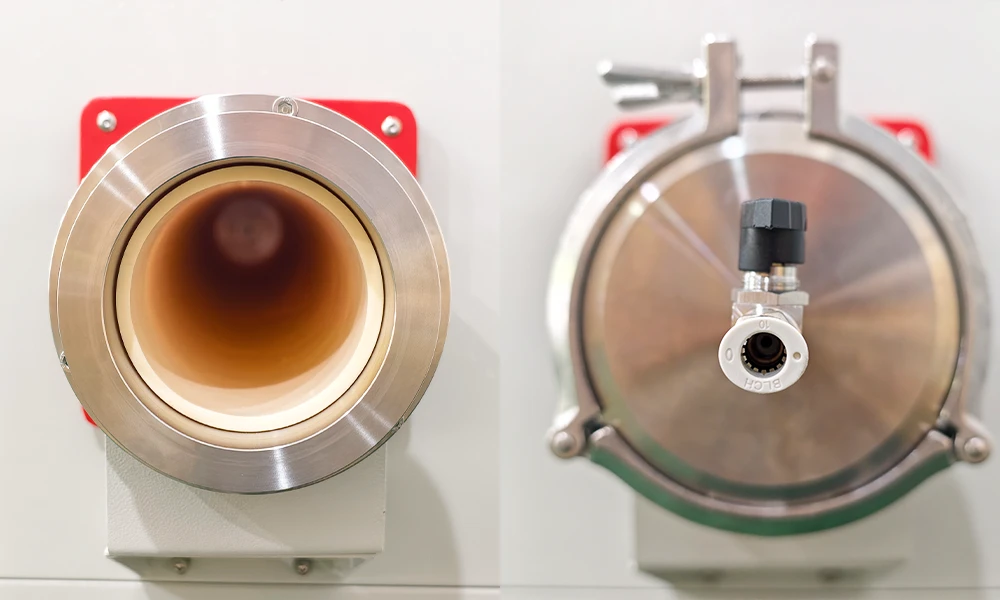
304 Stainless Steel Sealing Flanges
The furnace tube is sealed with 304 stainless steel flanges that are easy to install and remove, resistant to oxidation, acid, and alkali, and provide double-layer sealing for reliable airtightness. -
Comprehensive Standard Accessories
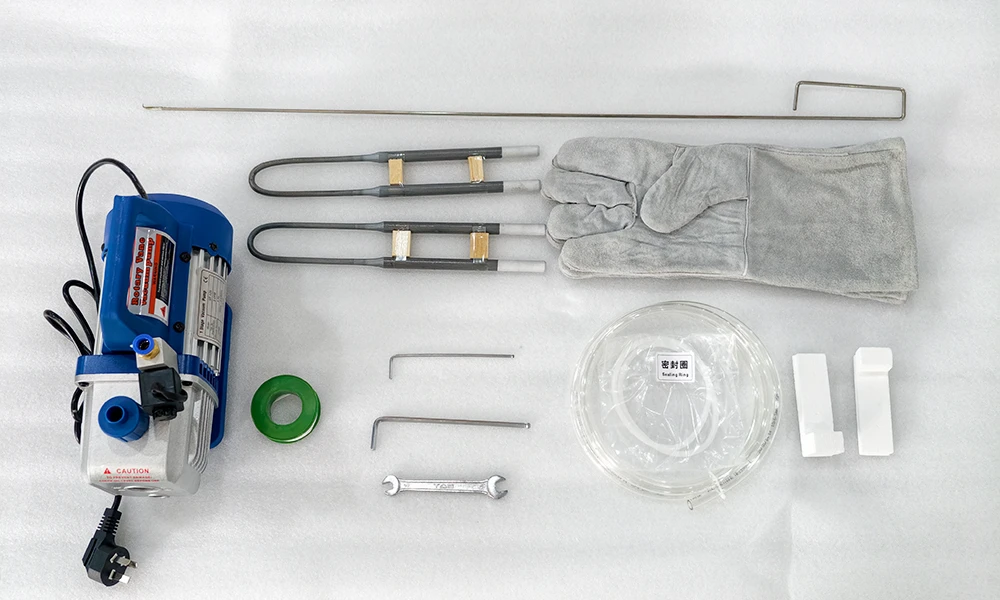
The furnace ships with one pipe, one vacuum pump, one gas pipe, one set of stainless steel flanges, two pipe plugs, one crucible tong, one pair of special high-temperature gloves, and one instruction manual. Optional accessories include touch-screen control, inlet/exhaust fume vents, a paperless recorder, and a remote communication control system.
Technical Specifications
| Parameter | Specification |
| Product Applications | Widely used in scientific research and small-batch production in enterprises and institutions, as well as in scientific research and teaching in universities and colleges, in fields such as ceramics, metallurgy, electronics, glass, chemicals, machinery, refractory materials, new material development, special materials, and building materials |
| Power Supply | 220 V single-phase |
| Design Temperature | 1700 °C |
| Operating Temperature | 0–1600 °C (alumina tube) |
| Temperature Control Accuracy | ±1 °C |
| Thermocouple and Measuring Range | B-type (0–1820 °C) |
| Heating Element | Silicon molybdenum rod |
| Appearance Design | The electric furnace adopts a user-friendly design, is aesthetically pleasing, and easy to operate. The outer paint layer uses a high-temperature baking process with powder coating. It has high temperature resistance, oxidation resistance, and acid and alkali resistance. The color is selected to be age-resistant and will not fade over time |
| Housing Design | The furnace shell adopts a double-layer forced air-cooling structure, ensuring that the external temperature of the furnace shell is close to room temperature even at high temperatures, avoiding accidental injury |
| Furnace Design | The furnace chamber adopts a stepped assembly structure, incorporating the laws of mechanics, effectively ensuring uniform stress during heating, preventing heat loss, and extending the service life of the furnace chamber |
| Furnace Material | Utilizing internationally advanced lightweight alumina ceramic fiber, this furnace boasts excellent heat insulation, is lightweight yet heat-resistant, crack-free, non-caking, and slag-free, eliminating concerns about contaminating the fired products. Energy efficiency is 60 %–80 % of older electric furnaces |
| Temperature Control Method | Employs an internationally recognized intelligent temperature controller: featuring 30 segment programmable PID self-tuning, automatic heating and cooling, requiring no operator intervention. An optional RS-485 communication interface is also available (connecting to a standard computer allows for start/stop, alarm/stop heating, setting heating curves, storing heating curves, and recording historical curves) |
| Temperature Control Safety | The electric furnace utilizes integrated circuitry and modular control. Dual-loop protection (including over-temperature protection, thermocouple breakage protection, overcurrent protection, and overpressure protection) ensures stable, reliable, and safe operation |
| Heating Rate | The furnace speed can be set arbitrarily from 0–10 °C/min, but is recommended to be ≤ 5 °C/min |
| Gas Passage | All inert gases, mixed gases, nitrogen, oxygen, carbon monoxide, argon, etc. |
| Gas Control | The inlet end can be equipped with one or more inlets, each with a needle valve and a vacuum gauge. The outlet end connects to one outlet port and one vacuum port, all with needle valves. A vacuum pump is included |
| Sealing Method | Uses 304 stainless steel flanges, offering easy installation and removal, oxidation resistance, acid and alkali resistance, and double-layer sealing to ensure airtightness |
| Warranty Period | The furnace body has a one-year warranty (excluding easily damaged heating elements), and a lifetime warranty |
| Accessories | Includes one pipe, one vacuum pump, one gas pipe, one set of stainless steel flanges, two pipe plugs, one crucible tong, one pair of special high-temperature gloves, and one instruction manual. Optional accessories: touch screen control, inlet/exhaust fume vents, paperless recorder, and remote communication control system |
| Product Certification | EU standard CE certification and ISO 9001:2008 quality management system certification |
Furnace tube and zone configuration:
- Furnace tube material: high-purity quartz or high-purity alumina corundum tubes
- Configuration: horizontal and vertical
- Standard tube dimensions: 40 mm, 60 mm, 80 mm, and 100 mm (customizable)
- Standard heating zones: 150 mm, 205 mm, 350 mm, and 440 mm (customizable)
- Zone configurations: single, dual, triple, and quintuple zones
- Optional: rotary tilting system fitted to the furnace body
Practical Operating Recommendations
The following recommendations are based on best practice for 1700 °C-class tube furnaces and apply to the TOB-K2-6-17TPD3:
- Tube material selection: Use an alumina (corundum) tube for operating temperatures above 1200 °C, since the operating temperature is specified as 0–1600 °C with an alumina tube. Quartz tubes are suitable for lower-temperature applications and provide high optical transparency but have a lower maximum temperature limit. Select the tube material based on your maximum process temperature and atmosphere compatibility.
- Heating rate: The heating rate can be set from 0–10 °C/min, but it is recommended to keep it ≤ 5 °C/min. A slower heating rate reduces thermal stress on the furnace tube and the work piece, extends the life of the MoSi₂ heating elements, and prevents cracking of ceramic samples.
- Gas and vacuum operation: For inert-atmosphere processing, purge the tube with the process gas for 15–20 minutes before heating to remove air. For vacuum operation, connect the included vacuum pump to the vacuum port and verify that the flanges are properly sealed before evacuating. Always use a vacuum gauge to monitor the pressure.
- Sample placement: Place the sample boat or crucible centrally within the uniform heating zone. For multi-zone furnaces, verify the flat temperature profile across the sample length before committing a full batch.
- Cooling: Allow the furnace to cool naturally after a process. The recommended cooling rate is consistent with the heating rate guidance; avoid rapid cooling, which can crack the tube and the work piece.
- Safety: The double-layer forced air-cooling housing keeps the exterior near room temperature, but the furnace tube, flanges, and the immediate area around the furnace remain hot during operation. Use the included crucible tong and high-temperature gloves when handling samples. Always use the dual-loop safety protection features.
Common Operational Issues and Troubleshooting
| Issue | Possible Cause | Recommended Action |
| Furnace does not reach the set temperature | MoSi₂ heating element aging or breakage; thermocouple fault; controller not programmed correctly. | Check the heating elements for continuity and visible damage. Verify the B-type thermocouple is functioning (thermocouple breakage protection will trigger if not). Review the 30-segment program settings. |
| Temperature overshoot or undershoot | PID parameters not tuned for the specific load; heating rate too high. | Run the PID self-tuning function with the actual load in place. Reduce the heating rate to ≤ 5 °C/min. |
| Inconsistent temperature across the sample | Single-zone configuration with a long sample; improper sample placement. | Use a multi-zone (dual, triple, or quintuple) configuration for long uniform zones. Center the sample in the uniform zone. |
| Poor vacuum level | Flange seals not properly seated; O-ring damaged; tube cracked. | Inspect the 304 stainless steel flanges and replace any damaged seals. Check the tube for cracks. Verify the vacuum pump is functioning correctly. |
| External surface too hot | Forced air-cooling fan not operating; fan blocked. | Check the cooling fan operation. Clear any blockage around the air-cooling vents. |
| Tube cracking during heating or cooling | Heating or cooling rate too fast; thermal shock from rapid temperature changes. | Reduce the heating and cooling rate to ≤ 5 °C/min. Avoid placing cold samples into a hot furnace. |
Engineering FAQ
Q1: Should I choose a quartz tube or an alumina (corundum) tube for my application?
The operating temperature is the primary criterion. For processes up to approximately 1200 °C, a quartz tube is suitable and offers optical transparency for visual observation. For processes above 1200 °C (up to the 1600 °C operating limit), an alumina corundum tube is required. The specification states the operating temperature of 0–1600 °C for an alumina tube configuration. Select the tube based on your maximum process temperature and chemical compatibility with the atmosphere.
Q2: What is the benefit of a multi-zone furnace configuration?
A multi-zone configuration (dual, triple, or quintuple zones) allows each heating zone to be controlled independently, enabling a longer and more uniform flat temperature zone. For a long sample boat, a single-zone furnace will exhibit temperature drop-off at the ends; a triple or quintuple zone furnace maintains a flat profile across the full sample length, which is essential for uniform material processing.
Q3: Can the TOB-K2-6-17TPD3 be used for both inert gas and vacuum processes?
Yes. The inlet end can be equipped with one or more gas inlets (each with a needle valve and vacuum gauge), and the outlet end provides one outlet port and one vacuum port, all with needle valves. A vacuum pump is included with the furnace, enabling both controlled-atmosphere processing (with inert gases, nitrogen, oxygen, carbon monoxide, argon, etc.) and vacuum heat treatment.
Q4: What is the recommended heating rate for this furnace?
The heating rate can be set from 0–10 °C/min, but it is recommended to use ≤ 5 °C/min. A slower rate reduces thermal stress on the tube and work piece, extends heating element life, and prevents cracking of ceramic samples.
Q5: Is the furnace suitable for battery material synthesis?
Yes. The 1700 °C design temperature extends the K2 series capability beyond standard 1200 °C furnaces, enabling high-temperature calcination and sintering of advanced battery materials, including oxide solid electrolytes, high-nickel cathode precursors, and specialized ceramic electrolyte systems that require sintering temperatures up to 1600 °C.
Ready to perform high-temperature synthesis and heat treatment up to 1700 °C with precise multi-zone control and atmosphere/vacuum capability? Request a quotation for the TOB-K2-6-17TPD3, specifying your tube material (quartz or alumina), diameter, heating zone configuration, and optional rotary tilting system. Our high-temperature process engineers can recommend the optimal configuration for your application.
tob.amy@tobmachine.com | +86 181 2071 5609
You May Also Need
- 1200°C Three-Zone Tube Furnace for Battery Materials — A 1200 °C three-zone tube furnace for battery material synthesis and heat treatment. Complements the 1700 °C TOB-K2-6-17TPD3 for lower-temperature processes that do not require the higher temperature capability.
- High-Speed Planetary Ball Mill — A planetary ball mill for powder preparation and mixing before furnace processing. Complements the TOB-K2-6-17TPD3 by providing the sample-preparation step for precursors that will be sintered or calcined in the tube furnace.
- Vacuum Lab Oven (TOB-DZF-6050) — A vacuum lab oven for pre-drying moisture-sensitive precursors before high-temperature processing. Complements the TOB-K2-6-17TPD3 by providing a low-temperature drying step for materials that must be moisture-free before entering the tube furnace.
Previous:
1200°C Sliding Tube Furnace for Battery MaterialsNext:
1200℃ Three-Zone Tube Furnace for Battery Materials
If you are interested in our products and want to know more details,please leave a message here,we will reply you as soon as we can.

 subscribe to us