Chinese
 français
 Deutsch
 italiano
 español
 português
 Nederlands
 日本語
日本語 한국의
한국의




- Home
- >
- Battery Materials
- >
- Anode Active Material
- >
- 5μm Spherical Hard Carbon Powder Materials for Sodium ion and Lithium ion Battery
Categories
Hot Products
Loading...
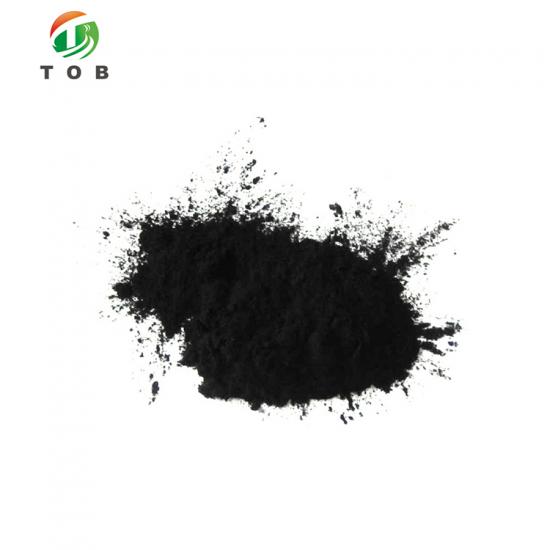
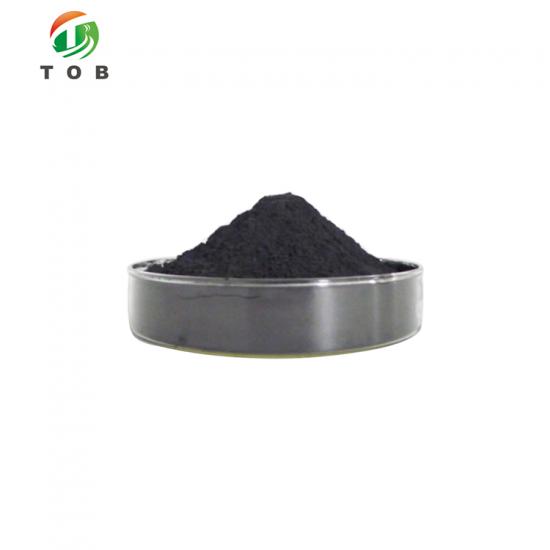
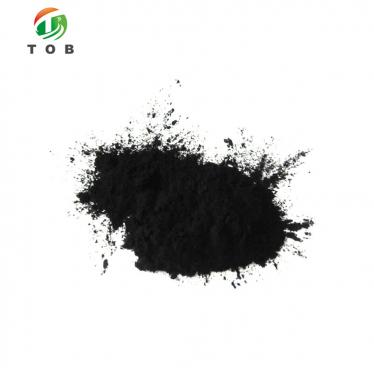
5μm Spherical Hard Carbon Powder Materials for Sodium ion and Lithium ion Battery
Brand:
TOB NEW ENERGYitem no.:
TOB-Na-HC02order(moq):
20gPayment:
L/C,T/Tproduct origin:
Chinashipping port:
XIAMEN
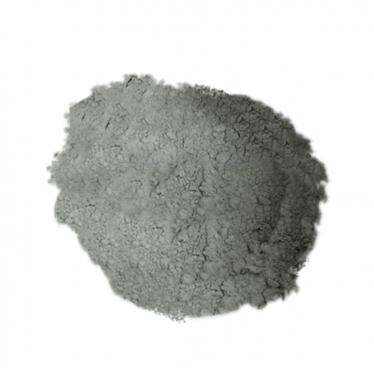
5μm Spherical Hard Carbon Powder for Sodium-Ion and Lithium-Ion Battery Anode Materials
Product Overview and Ideal Applications
Spherical hard carbon is a disordered, non-graphitic carbon material that has emerged as the most promising anode candidate for sodium-ion batteries. Unlike graphite, whose narrow interlayer spacing cannot accommodate the larger sodium ion radius, hard carbon possesses two structural features that make it uniquely suited for sodium storage: a larger average interlayer spacing that allows sodium ions to intercalate readily, and a microporous structure formed by graphite-like microcrystallites that provides abundant additional sites for sodium ion storage.
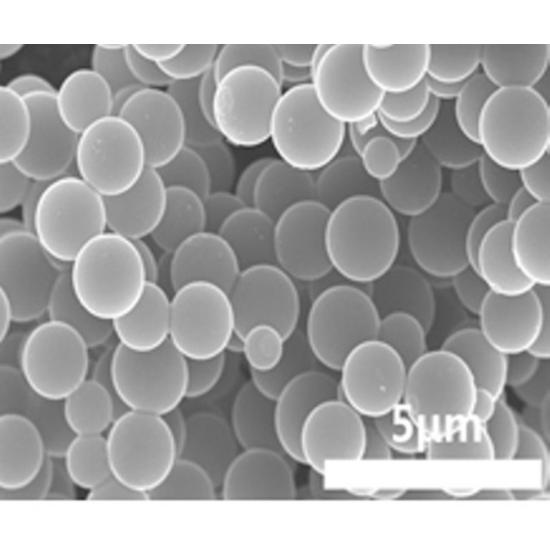
The TOB-Na-HC02 is a 5 μm spherical hard carbon powder designed specifically as an anode active material for both sodium-ion and lithium-ion batteries. The spherical particle morphology provides several practical advantages in electrode fabrication: high sphericity promotes uniform slurry flow and coating, improves particle packing and electrode density, and reduces the risk of coating streaks that can occur with irregularly shaped particles. With a purity of 99.9%+ and a reversible capacity of 250–300 mAh/g, the TOB-Na-HC02 is well suited to both scientific research and production-scale anode manufacturing.
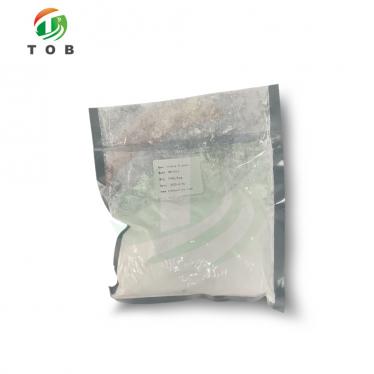
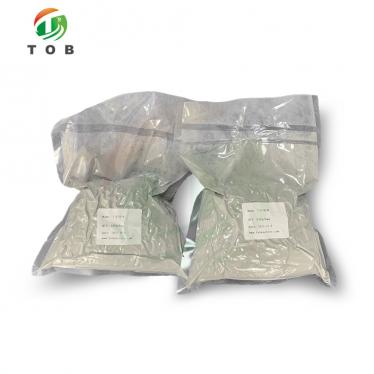
The material is supplied with a minimum order quantity of 20 g per bag, making it convenient for laboratory-scale evaluation and coin-cell testing while remaining practical for pilot-line batch production. The product model is T-Na-HC02 (also listed as TOB-Na-HC02), with the molecular formula C and a molecular weight of 12.
Ideal for:
- Sodium-ion battery research and development, where the hard carbon anode is the key component enabling the sodium storage mechanism.
- Lithium-ion battery anode studies comparing hard carbon with graphite, soft carbon, or silicon-carbon composites.
- Pilot-scale anode electrode fabrication for cylindrical, pouch, or prismatic sodium-ion cells.
- Academic research on sodium storage mechanisms, SEI formation on hard carbon, and rate-capability optimization.
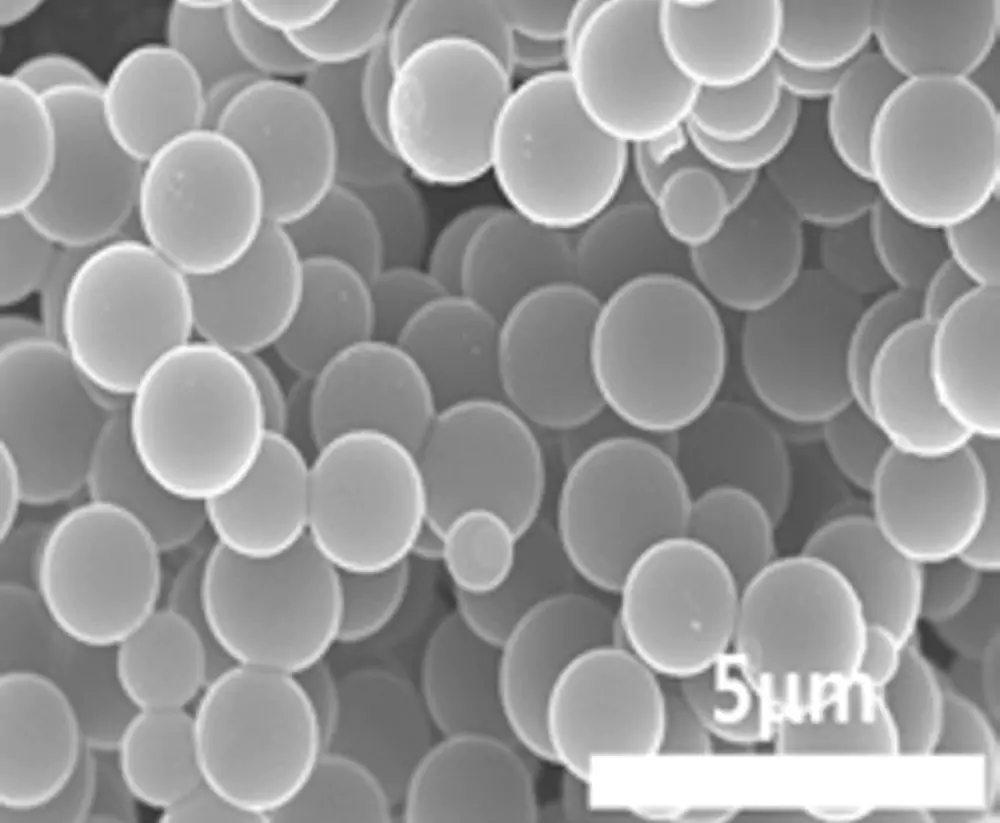
Where Spherical Hard Carbon Fits in Sodium-Ion Battery Manufacturing
In a sodium-ion battery, the anode is typically hard carbon. The manufacturing chain follows a sequence similar to lithium-ion battery production:
- Anode slurry preparation: The TOB-Na-HC02 hard carbon powder is mixed with conductive carbon and a water-based or NMP-based binder (CMC/SBR for aqueous systems; PVDF for organic systems) in a planetary mixer.
- Anode coating: The slurry is coated onto copper foil using a doctor blade, slot die, or comma coater. The spherical morphology of TOB-Na-HC02 promotes uniform wetting and a smooth, streak-free coating surface.
- Drying and calendaring: The coated anode is dried and compacted to the target density. The high sphericity and good particle packing allow the electrode to reach a practical density without excessive calendaring pressure.
- Cell assembly: The anode, separator, sodium-containing cathode, and sodium-ion electrolyte are assembled into the cell format.
- Formation: The first charge-discharge cycle forms the SEI on the hard carbon surface and activates the sodium storage sites.
Why the microporous structure matters for sodium storage:The sodium storage capacity of hard carbon arises from two mechanisms: intercalation of sodium ions into the enlarged graphitic interlayers, and adsorption of sodium atoms into the micropores created by the disordered arrangement of graphite-like microcrystallites. The TOB-Na-HC02 is engineered to provide both pathways, delivering a reversible capacity of 250–300 mAh/g—significantly higher than what graphite can achieve for sodium storage.
Technical Specifications
|
Item |
Unit |
Analysis Result |
Method |
|
|
Particle Size |
D10 |
μm |
/ |
Laser diffraction method: The particle size analyzer of the British Malvin2000 |
|
D50 |
μm |
1.5 |
||
|
D90 |
μm |
/ |
||
|
Dmax |
μm |
/ |
||
|
Tap Density |
g/cm3 |
/ |
FZS4-4B type automatic tap density meter. Beijing iron and Steel Research Institute. |
|
|
Reversible Capacity |
mAh/g |
300 |
Land test device from Wuhan |
|
Additional product information:
| Parameter | Specification |
| Model | TOB-Na-HC02 |
| MOQ | 20 g/bag |
| Molecular Formula | C |
| Molecular Weight | 12 |
| Product Name | Hard Carbon |
| Reversible Capacity | 250–300 mAh/g |
| Purpose | Battery anode material for lithium-ion secondary battery and Na-ion battery |
| Features | High sphericity, high purity 99.9%+, very suitable for scientific research and production |
Key Engineering Characteristics of TOB-Na-HC02
-
High Reversible Capacity (250–300 mAh/g) - The reversible capacity of TOB-Na-HC02 is among the practical range for commercial hard carbon anode materials in sodium-ion cells. In a full-cell configuration with a suitable cathode, this capacity enables a cell-level energy density that is competitive for stationary energy storage and low-speed electric vehicle applications.
-
High Purity (99.9%+) - The carbon purity of 99.9%+ minimizes the contribution of ash and metallic impurities that could catalyze electrolyte decomposition or contribute to self-discharge. For sodium-ion cells, where the SEI chemistry differs from lithium-ion systems, a high-purity anode surface is essential for reproducible formation results.
-
Spherical Morphology for Electrode Processability - The high sphericity of the TOB-Na-HC02 particles improves slurry flowability, promotes uniform coating, and enables higher electrode packing density. Spherical particles also reduce the risk of electrode delamination during calendaring and cycling, as there are no sharp edges or irregular protrusions to create stress concentrations.
-
Microporous Structure for Sodium Storage - The graphite-like microcrystallites within the hard carbon create a microporous network that provides additional sodium adsorption sites beyond the intercalation capacity. This dual storage mechanism is the reason hard carbon outperforms graphite for sodium-ion anodes.
-
Suitable for Both Sodium-Ion and Lithium-Ion Systems - Although the TOB-Na-HC02 is primarily targeted at sodium-ion batteries, the material is also suitable for lithium-ion battery anodes, where it can serve as a benchmark material or be blended with graphite for enhanced rate capability.
-
Convenient Packaging for Research and Production - The 20 g MOQ allows researchers to evaluate the material without committing to a large purchase, while the powder can be supplied in larger quantities for pilot-scale production. The material is suitable for both scientific research and production applications, as stated in the specification.
Recommended Electrode Fabrication Parameters
The following parameters are starting points for preparing a hard carbon anode electrode with TOB-Na-HC02. Optimize based on your specific binder system, equipment, and target areal capacity.
| Parameter | Recommended Value / Range | Notes |
| Anode composition | Hard carbon : carbon black : binder = 90 : 5 : 5 (weight) | Adjust binder content for adhesion. |
| Binder system | CMC/SBR (aqueous) or PVDF (NMP-based) | Aqueous is preferred for cost and environmental reasons. |
| Slurry solid content | 40–50 % | Adjust to achieve 2000–4000 mPa·s for doctor-blade coating. |
| Coating substrate | Copper foil, 8–10 μm | The spherical morphology promotes uniform wetting on smooth foil. |
| Drying profile | 80 °C → 110 °C → 120 °C | Gradual ramp prevents binder skinning. |
| Target electrode density | 1.0–1.2 g/cm³ | Hard carbon has a lower density than graphite; adjust calendaring accordingly. |
| Electrolyte (sodium-ion) | 1 M NaPF₆ in EC:DMC (1:1) + 2 % FEC | FEC improves SEI stability on hard carbon. |
| Voltage window | 0.01–2.0 V vs. Na⁺/Na | Typical for hard carbon anodes. |
Engineering FAQ
Q1: What is the difference between hard carbon and graphite for sodium-ion battery anodes?
Graphite has a narrow interlayer spacing (~0.335 nm) that cannot accommodate the larger sodium ion radius (~0.102 nm), resulting in very low sodium storage capacity. Hard carbon has a larger average interlayer spacing and a disordered structure with micropores, allowing both sodium intercalation and adsorption. This structural difference is why hard carbon is the preferred anode material for sodium-ion batteries.
Q2: Why does the product name state 5 μm while the D50 analysis result is 1.5 μm?
The product name describes the nominal grade of the material, while the D50 value in the specification table is a measured result from a specific lot. Particle size distribution can vary between production batches. For the most accurate particle size data, refer to the lot-specific Certificate of Analysis, which contains the full D10/D50/D90/Dmax analysis.
Q3: Can the TOB-Na-HC02 be used directly in a lithium-ion battery anode without modification?
Yes. Hard carbon is a well-established anode material for lithium-ion batteries, particularly for high-rate and low-temperature applications. The TOB-Na-HC02 can be used as a lithium-ion anode active material, either alone or blended with graphite. The reversible capacity of 250–300 mAh/g is competitive for such applications.
Q4: How should the powder be stored, and what is the shelf life?
Store the TOB-Na-HC02 in a sealed bag in a dry environment to prevent moisture adsorption. Hard carbon is less sensitive to moisture than high-nickel cathode materials, but the surface can adsorb water, which would increase the residual moisture of the slurry. Keep the bag sealed when not in use, and bake the powder at 120 °C for 2–4 hours before slurry preparation if the bag has been open for an extended period.
Q5: What is the first-cycle coulombic efficiency typically achievable with this hard carbon?
The first-cycle coulombic efficiency of hard carbon anodes depends on the electrolyte composition and the formation protocol. Typical values range from 75–85 % for hard carbon in sodium-ion cells, with the initial irreversible capacity loss attributed to SEI formation on the high-surface-area carbon. Pre-sodiation of the anode or the use of electrolyte additives such as FEC can improve the first-cycle efficiency.
Ready to evaluate a high-purity, spherical hard carbon anode material for your sodium-ion or lithium-ion battery development? Request a quotation for TOB-Na-HC02, or contact our materials engineers for a recommendation on electrolyte pairing and electrode formulation.
tob.amy@tobmachine.com / +86-18120715609
You May Also Need
-
Irregular Hard Carbon Powder for Sodium-Ion and Lithium-Ion Battery — An irregular-morphology hard carbon alternative. Suitable when a different particle shape is preferred for specific slurry rheology or electrode porosity requirements.
-
MCMB Mesocarbon Microbeads for Lithium-Ion Battery — Spherical carbon microbeads for lithium-ion anodes. Provides an alternative spherical carbon anode material with distinct electrochemical characteristics.
-
Lithium Titanate Oxide (LTO) Anode Material Powder — A high-rate, long-life anode material for lithium-ion batteries. Complements hard carbon in applications prioritizing safety and cycle life over energy density.
-
High-Rate, High-Capacity Artificial Graphite Powder for Battery Anode — A high-capacity artificial graphite anode powder. Use for comparative studies between hard carbon and graphite in both lithium-ion and sodium-ion systems.
Previous:
Spherical Hard Carbon PowderNext:
Irregular Hard Carbon Powder Materials for Sodium ion and Lithium ion Battery
If you are interested in our products and want to know more details,please leave a message here,we will reply you as soon as we can.

 subscribe to us