Chinese
 français
 Deutsch
 italiano
 español
 português
 Nederlands
 日本語
 한국의




Categories
Hot Products
APEC 2026: Battery Infrastructure for Asia-Pacific Growth
Nov 19,2026As the 33rd APEC Economic Leaders' Meeting convenes in Shenzhen on 18–19 November 2026, the Asia-Pacific region is discussing how openness, innovation, and cooperation can support shared prosperity. For the battery industry, that discussion has an immediate engineering dimension: rapidly growing electricity demand, renewable generation, electric mobility, data centers, and industrial electrification all require safe, scalable, and locally adaptable energy-storage manufacturing capacity.
The official APEC China 2026 theme is “Building an Asia-Pacific Community to Prosper Together,” supported by three priorities: openness, innovation, and cooperation. Those priorities are closely relevant to the practical work of building battery laboratories, validating new chemistries, transferring processes to pilot scale, and establishing reliable production lines across economies with different industrial conditions.
TOB NEW ENERGY sees this Shenzhen moment as an opportunity to examine the infrastructure behind the energy transition. The central challenge is no longer whether battery demand will grow. It is how research institutions and manufacturers can convert that demand into repeatable processes, qualified cells, resilient supply chains, and responsible local production.
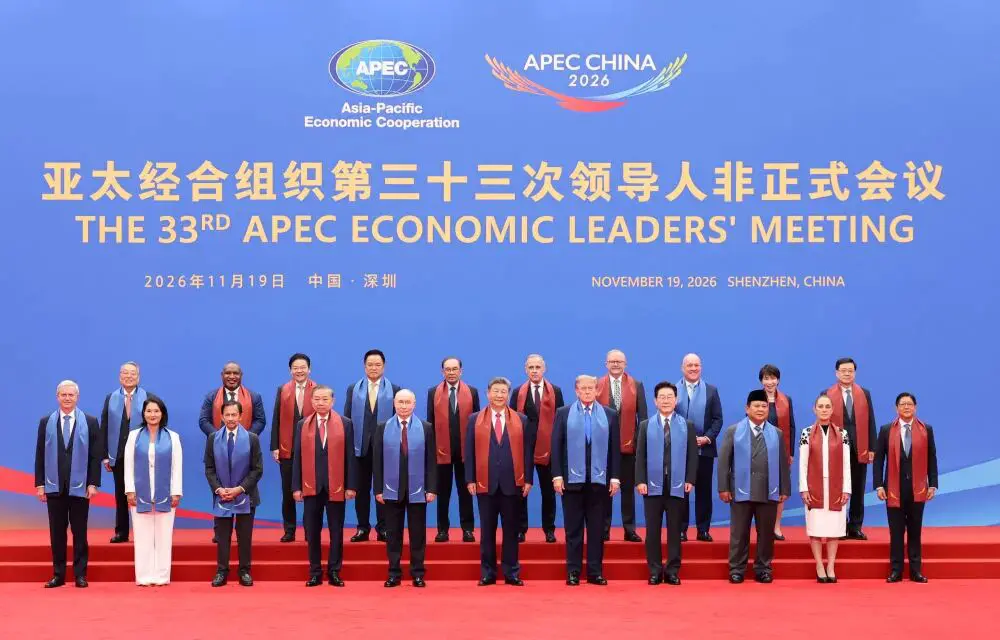
Leaders and representatives of APEC economies pose for a group photo before the 33rd APEC Economic Leaders' Meeting in Shenzhen, China, on November 19, 2026. Photo: Xinhua/Yao Dawei. Used with permission.
Source: Xinhua News Agency, “Xi Addresses 33rd APEC Economic Leaders' Meeting,” November 19, 2026.
APEC 2026 Puts Regional Cooperation in an Innovation Hub
Shenzhen is an appropriate setting for the 2026 leaders' meeting. The city connects advanced manufacturing, digital technology, electric mobility, supply-chain services, and international trade. The meeting itself is being held on 18–19 November, while the wider APEC Economic Leaders' Week includes business and ministerial activities. Official information identifies the 2026 priorities as openness, innovation, and cooperation.
Energy is a material part of the regional agenda. APEC economies account for more than 60% of global GDP and about 60% of global energy demand. During the Shenzhen meeting week, key venues, transport hubs, and reception facilities are operating on 100% green electricity, according to a Xinhua report published through the Belt and Road Portal. That power is sourced in part from offshore wind in Guangdong and in part from large wind and solar bases elsewhere in China.
The symbolic value is clear, but the industrial implication is more important. Clean electricity must be generated, transmitted, balanced, stored, and used productively. Regional cooperation therefore depends not only on high-level commitments but also on the laboratories, pilot systems, production equipment, standards, technical training, and project-delivery capabilities that turn new energy technologies into dependable infrastructure.
For TOB NEW ENERGY, this is the relevant connection to APEC 2026. The company is not presenting itself as an APEC participant or speaking for the meeting. It is contributing an industry perspective on how battery-manufacturing infrastructure can support the openness, innovation, and cooperation required for Asia-Pacific electrification.
The Age of Electricity Is Accelerating Battery Demand
The International Energy Agency describes the current period as an emerging “Age of Electricity.” Its Electricity 2026 report forecasts that global electricity demand will grow at an average annual rate of 3.6% between 2026 and 2030. Industry, electric vehicles, air conditioning, and data centers are among the major drivers. Emerging economies are expected to account for nearly 80% of the additional electricity consumed through 2030.
At the same time, the generation mix is changing. The IEA expects renewable electricity output to grow by about 1,000 TWh each year through 2030, with solar photovoltaic generation contributing more than 600 TWh of that annual increase. Renewables and nuclear power together are projected to supply around half of global electricity generation by 2030.
This expansion creates a parallel requirement for flexibility. In 2025, 108 GW of new battery-storage capacity was installed worldwide, 40% more than in 2024. The IEA identifies battery storage as the fastest-growing power technology, with approximately 80% of the capacity added in 2025 deployed at utility scale. China accounted for around 60% of global additions, while deployment also expanded in the United States, Europe, Australia, and parts of the Middle East.
Electric mobility is adding another demand channel. Global EV battery deployment reached 1.2 TWh in 2025, an increase of almost 30% from 2024. Electric vehicles accounted for more than 70% of total battery deployment. These figures show why battery manufacturing is becoming part of general economic infrastructure rather than remaining a specialized segment of the automotive supply chain.
China Is Moving from Capacity Expansion to High-Quality Storage Development
China's policy direction increasingly links storage scale with manufacturing quality, safety, market mechanisms, and system integration. The New-Type Energy Storage Scale-Up Construction Special Action Plan (2025–2027), issued by the National Development and Reform Commission and the National Energy Administration, sets a target of more than 180 GW of installed new-type energy storage by 2027. It also emphasizes broader application scenarios, market-oriented development, technological progress, and coordinated industrial growth.
A separate action plan issued by eight government departments addresses the manufacturing side. It calls for China's new-type energy-storage manufacturing sector to strengthen innovation and international competitiveness by 2027 while advancing high-end, intelligent, and green development. The policy direction includes diversified storage technologies, safer and more reliable products, improved conversion efficiency, stronger standards, and closer coordination across the value chain.
The Energy-Sector Energy Conservation and Carbon Reduction Action Plan (2026–2028) adds further context. It calls for expanded new-energy consumption, development of new-type and long-duration storage, smarter distribution networks, green-electricity direct connections, intelligent microgrids, integrated source-grid-load-storage systems, and cleaner transport energy. It also supports digital and intelligent upgrades across energy production, storage, transmission, sales, and use.
More recently, China issued the New-Type Energy Storage Implementation Plan for the 15th Five-Year Plan period in November 2026. Together, these policies show that the next phase is not defined by manufacturing volume alone. It requires performance validation, safety engineering, process traceability, energy efficiency, equipment intelligence, and the ability to adapt technologies to different grid and application requirements.
The Critical Link Is from Chemistry to Repeatable Manufacturing
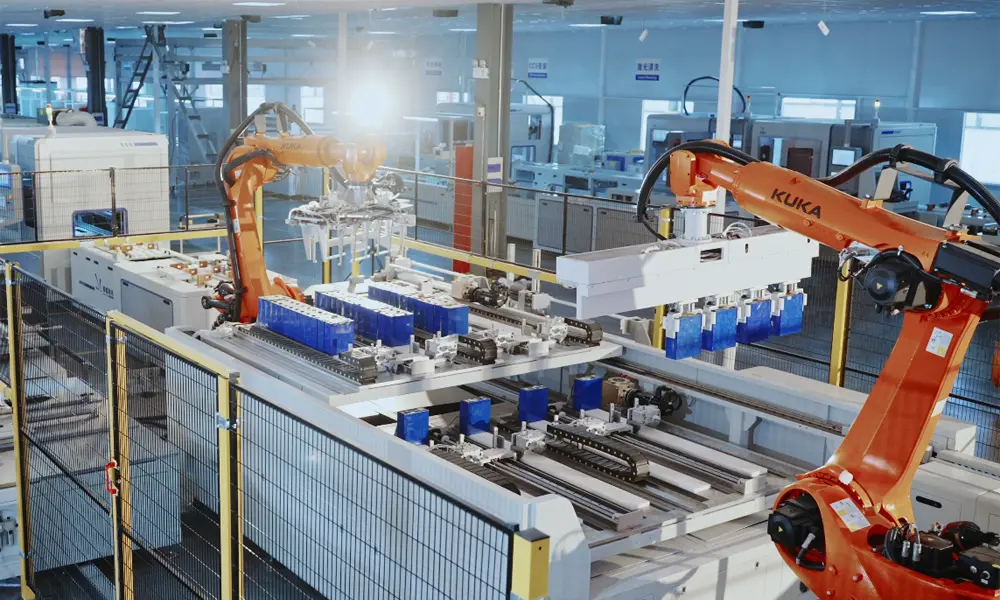
Battery innovation begins with materials and cell design, but commercial value depends on repeatability. A promising chemistry must pass through formulation, mixing, coating or dry-film formation, electrode densification, cell assembly, electrolyte processing, formation, grading, safety testing, and long-term performance verification. Each stage introduces variables that can hide or distort the underlying electrochemistry.
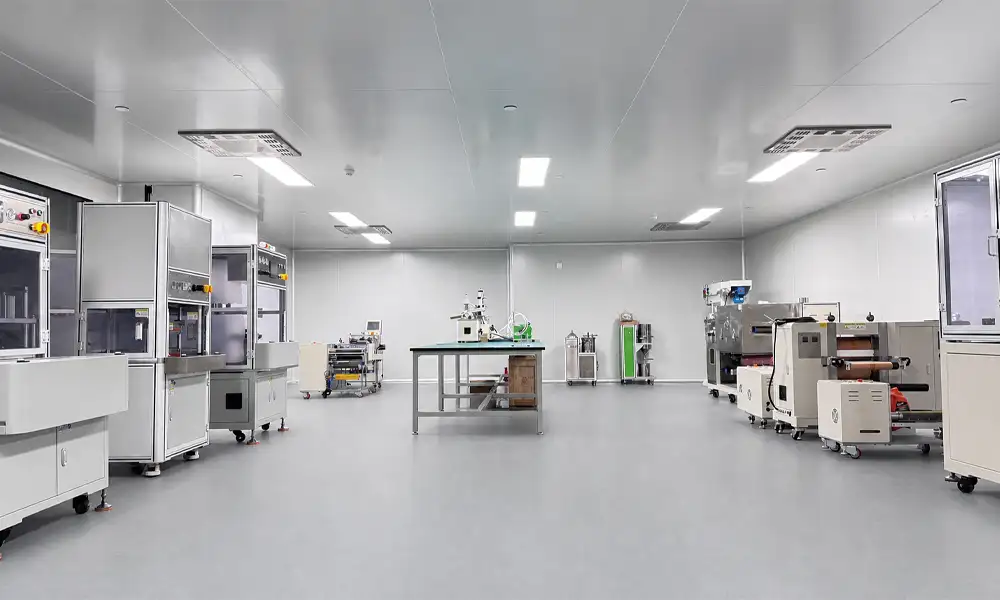
This is why laboratory and pilot infrastructure matters. Researchers need controlled equipment to isolate material behavior. Process teams need pilot systems to define operating windows and collect statistically useful data. Manufacturers need production lines that can hold tolerances at target throughput while maintaining traceability and safety.
The transition is especially important for emerging technologies. Sodium-ion batteries require materials, electrolyte systems, and formation protocols adapted to sodium chemistry. Solid-state cells introduce demanding controls for moisture, pressure, interface quality, and solid-electrolyte handling. Dry-electrode processes change the logic of mixing, fibrillation, film formation, and lamination. Large cylindrical and tabless designs require new solutions for winding, edge forming, current collection, welding, electrolyte wetting, and in-line inspection.
Asia-Pacific economies will not all follow the same route. Some projects begin with university research; others focus on localizing an established chemistry, building pilot capacity, serving stationary storage, electrifying two- and three-wheelers, or supplying industrial and marine applications. The common need is an engineering bridge between the selected chemistry and a qualified manufacturing process.
TOB NEW ENERGY Supports the Lab-to-Factory Path
TOB NEW ENERGY provides battery materials, laboratory equipment, pilot systems, and production-line solutions for research institutions, technology developers, and manufacturers. Its scope covers lithium-ion, sodium-ion, solid-state, dry-electrode, supercapacitor, and other electrochemical technologies across coin, pouch, cylindrical, and prismatic formats.
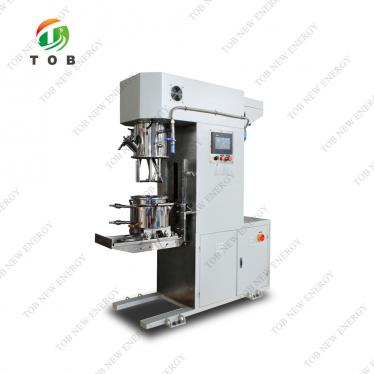
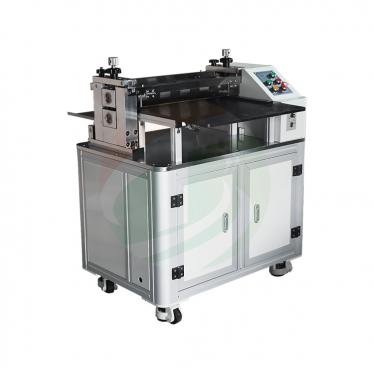
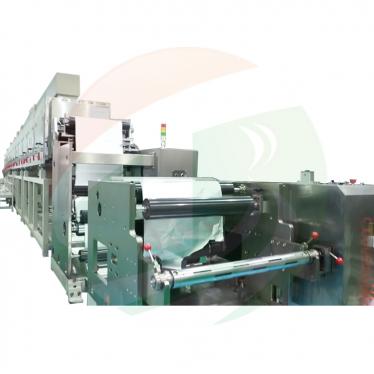
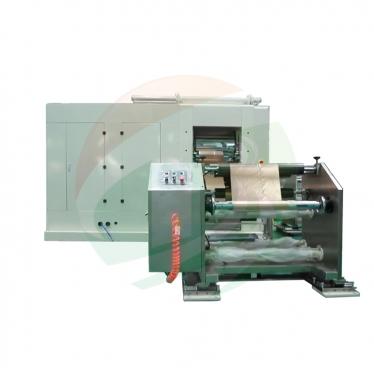
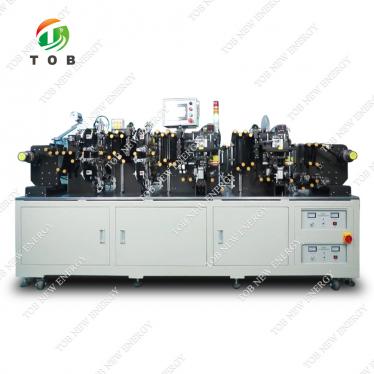
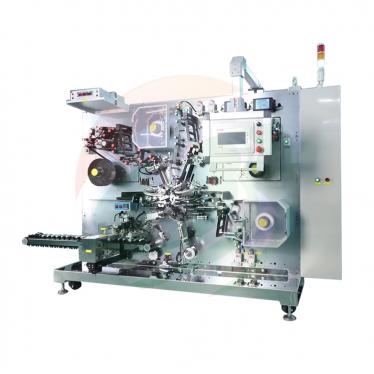
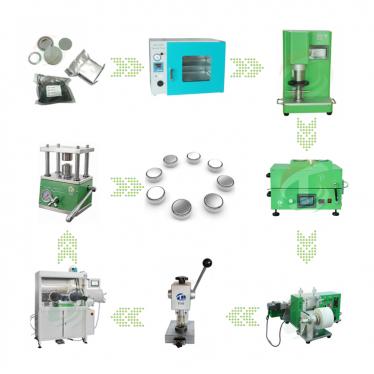
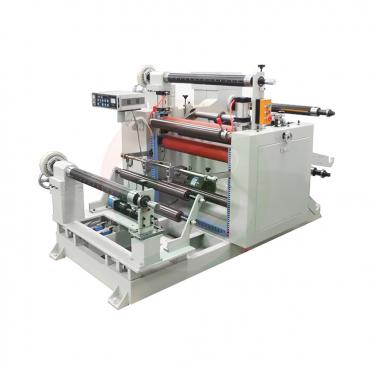
For established lithium-ion projects, TOB's battery production-line solutions cover the process chain from slurry preparation and electrode manufacturing to cell assembly, electrolyte filling, formation, grading, and testing. Configurations can be developed for laboratory work, pilot validation, semi-automatic production, or automated manufacturing according to cell format, capacity, throughput, and local utilities.
For technology diversification, TOB's sodium-ion battery pilot and laboratory line supports process development and prototype manufacturing. This is relevant as sodium-ion systems attract interest for selected mobility and stationary-storage applications that value material availability, low-temperature performance, or chemistry diversification.
TOB also provides solid-state battery equipment for research and process validation where atmospheric control, solid-electrolyte preparation, pressure management, and interface engineering are critical. For solvent-reduction strategies, the company's dry-electrode film solutions support mixing, fibrillation, film formation, calendering, and lamination workflows.
Equipment supply is only one part of the delivery model. A viable project may also require process discussion, equipment selection, layout planning, utility definition, factory acceptance testing, installation, commissioning, operator training, and after-sales support. This full-process view helps customers avoid isolated equipment decisions that later create bottlenecks between adjacent operations.
What Asia-Pacific Battery Projects Need Next
The region's battery opportunity is substantial, but growth alone does not guarantee durable industrial capability. Projects need to improve in four connected areas.
First, laboratory results must be designed for transfer. Formulations, process conditions, equipment parameters, and test methods should be recorded in a way that supports pilot replication. Data without process context is difficult to scale.
Second, pilot lines must be treated as manufacturing-development platforms rather than small factories. Their purpose is to expose interactions among materials, equipment, quality controls, operator methods, and environmental conditions before high-capacity investment is locked in.
Third, production systems need flexibility. Battery markets are evolving across LFP, sodium-ion, high-nickel, silicon-containing anodes, solid-state concepts, tabless cylindrical formats, and storage-oriented designs. Modular line architecture and adaptable process stations can reduce the cost of future changes.
Fourth, regional cooperation should include technical capability. Open markets and resilient supply chains are stronger when local teams can operate equipment, diagnose defects, maintain process control, and improve yield. Training, documentation, service responsiveness, and standards alignment are therefore part of manufacturing infrastructure.
These priorities translate the APEC themes of openness, innovation, and cooperation into practical work: sharing engineering experience, enabling responsible technology transfer, supporting local manufacturing, and improving access to the equipment required for clean-energy development.
APEC 2026 Is a Moment to Turn Shared Ambition into Engineering Capacity
APEC 2026 brings regional attention to Shenzhen at a time when electricity demand, renewable generation, electric mobility, digital infrastructure, and battery storage are expanding together. The energy transition is creating large markets, but it is also raising expectations for safety, quality, efficiency, resilience, and environmental performance.
China's policy framework is moving in the same direction. Storage deployment is scaling, while manufacturing policy increasingly emphasizes innovation, intelligent production, green development, reliability, and application-specific performance. Globally, the rapid growth of EV batteries and stationary storage confirms that these capabilities will be needed across many economies and market segments.
TOB NEW ENERGY's role is practical: help customers move from a research objective to a workable process, from a process to a validated pilot line, and from validation to reliable manufacturing. By combining materials, equipment, process integration, project delivery, and technical service, the company supports the physical infrastructure behind next-generation energy systems.
As Asia-Pacific economies pursue prosperity through openness, innovation, and cooperation, battery manufacturing can become a concrete field for collaboration. Better laboratories accelerate discovery. Better pilot lines reduce scale-up risk. Better production systems improve quality and access. Together, these capabilities can help convert the region's clean-energy ambitions into dependable industrial outcomes.
Frequently Asked Questions
What is the connection between APEC 2026 and battery manufacturing?
APEC 2026 focuses on regional prosperity through openness, innovation, and cooperation. Battery manufacturing is not presented here as an official APEC policy outcome; it is an industry example of how those priorities can support electrification, renewable-energy integration, electric mobility, resilient supply chains, and local industrial capability.
Why are pilot lines important for new battery technologies?
Pilot lines allow teams to validate process windows, equipment interactions, quality controls, throughput assumptions, and safety measures before committing to mass-production capacity. They reduce the risk of scaling a chemistry that performs well in small laboratory cells but behaves differently in larger formats or continuous processes.
Which battery technologies does TOB NEW ENERGY support?
TOB NEW ENERGY supplies materials, equipment, and line solutions for lithium-ion, sodium-ion, solid-state, dry-electrode, lithium-sulfur, supercapacitor, and related electrochemical systems. Projects can cover laboratory research, pilot validation, or production for coin, pouch, cylindrical, and prismatic cells.
How does TOB NEW ENERGY support international projects?
Support can include process consultation, equipment configuration, line design, utility planning, factory acceptance testing, shipping coordination, installation, commissioning, training, and after-sales technical service. The final scope depends on the customer's chemistry, cell format, output, facility, automation level, and quality requirements.
Does this article represent an official APEC statement?
No. This article is TOB NEW ENERGY's independent industry perspective, informed by official APEC information, Chinese policy documents, and current energy-market data. TOB NEW ENERGY is not claiming to participate in or speak on behalf of the 2026 APEC Economic Leaders' Meeting.
Sources and Data Note
Meeting information and priorities were checked against the official APEC China 2026 website and the State Council of China. Energy-market figures were checked against the International Energy Agency's Electricity 2026, Global Energy Review 2026, and Global EV Outlook 2026. Chinese policy references were checked against documents published by the National Development and Reform Commission and the National Energy Administration. Figures in this article reflect public information available on 19 November 2026.
Discuss Your Battery Project with TOB NEW ENERGY
Whether your project begins with material research, pilot validation, production localization, or manufacturing scale-up, TOB NEW ENERGY can help define the equipment and process path.
Contact: Amy Wang
Email: tob.amy@tobmachine.com
Mobile / WhatsApp: +86-18120715609
Official Website: www.tobmachine.com
 subscribe to us