Chinese
 français
 Deutsch
 italiano
 español
 português
 Nederlands
 日本語
日本語 한국의
한국의




- Home
- >
- Solid state Battery Equipment
- >
- Solid Electrolyte Transfer Lamination Machine for Electrode
Categories
Hot Products
Loading...
Solid Electrolyte Transfer Lamination Machine for Electrode
Brand:
TOB NEW ENERGYitem no.:
TOB-GZYJ-250-20Torder(moq):
1setPayment:
L/C,T/Tproduct origin:
Chinashipping port:
XIAMEN
Double-Side Solid Electrolyte Film Transfer Lamination Machine for Solid-State Battery Electrode Processing
Product Overview and Ideal Applications
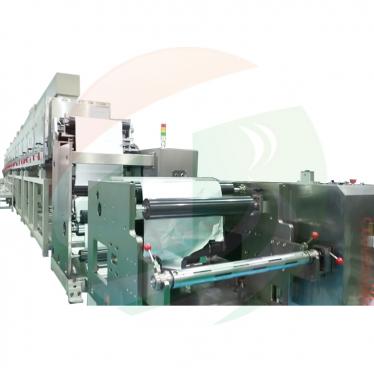
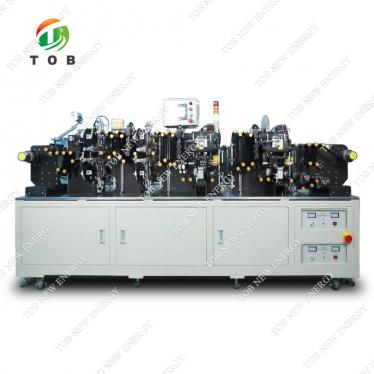
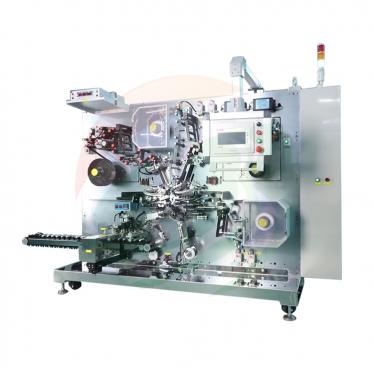
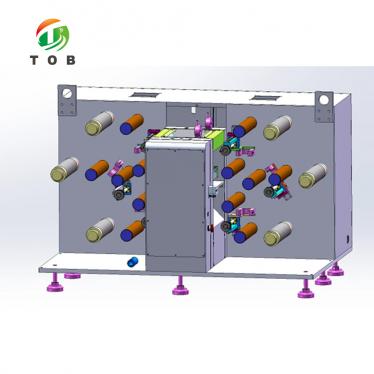
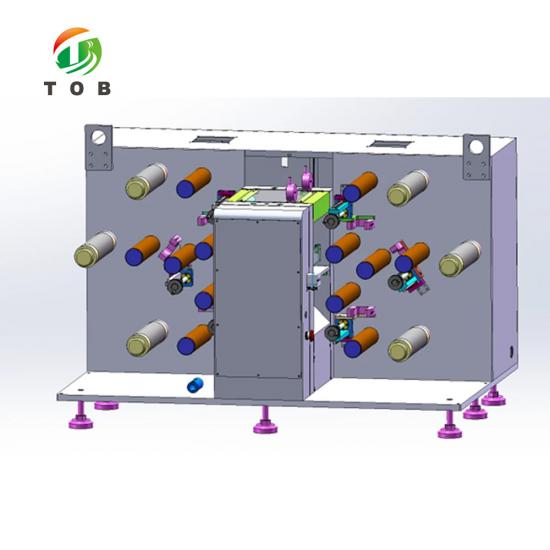
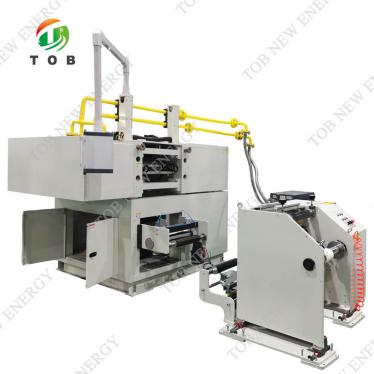
The TOB-GZYJ-250-20T is a double-side solid electrolyte film transfer lamination machine designed for the fabrication of solid-state battery electrodes. The machine transfers two rolls of PET-carrier solid electrolyte film simultaneously onto both faces of an anode or cathode electrode sheet, producing an electrode-electrolyte composite structure through controlled heat and pressure rolling. This architecture—a single pass that laminates both sides of the electrode—eliminates the need to flip the electrode or run the lamination step twice, improving throughput and consistency in solid-state battery electrode manufacturing.
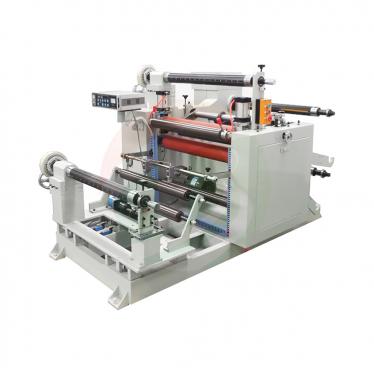
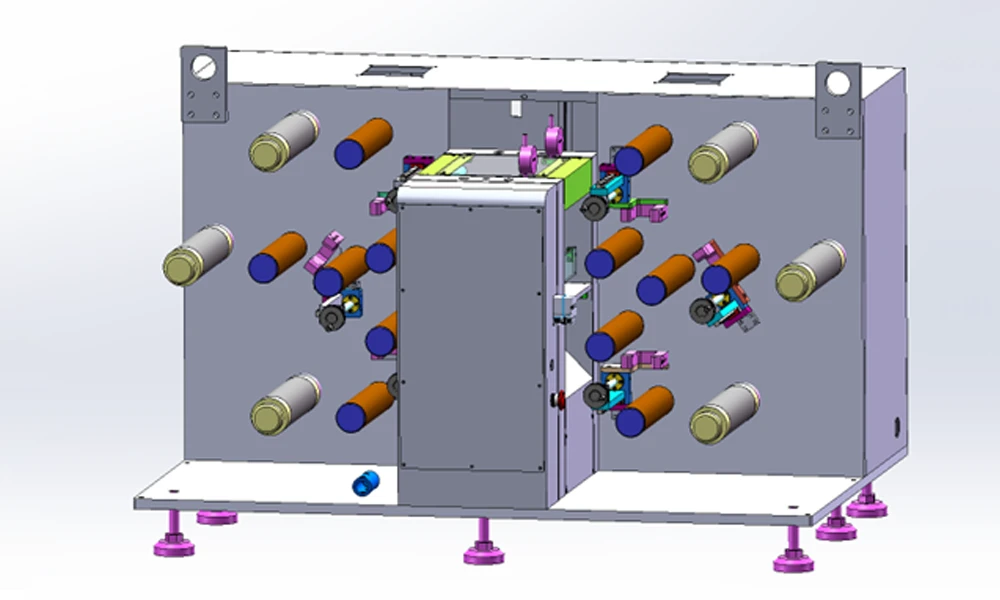
The TOB-GZYJ-250-20T is configured with three unwind/rewind stations: one electrode unwind mechanism, two solid electrolyte unwind mechanisms (one for each side of the electrode), and one electrode rewind mechanism. The PET carrier film, which supports the fragile solid electrolyte membrane during handling, is separated during the process as the electrolyte film is transferred onto the electrode surface. The machine integrates an electrode unwind unit, a solid electrolyte unwind unit, a roller-press lamination unit, a tension control system, web-edge guiding mechanisms for both unwind and rewind, and an electrode rewind unit. Under a controlled temperature (up to 130 °C) and rolling pressure (up to 20 tons), the electrolyte film is bonded to the electrode surface, achieving uniform lamination in both the transverse and longitudinal directions with a high-quality composite appearance.
Ideal for:
- Solid-state battery R&D and pilot lines fabricating composite electrodes in which a solid electrolyte layer is bonded directly to a cathode or anode sheet.
- Research groups evaluating PET-carrier solid electrolyte membranes and their transfer process onto electrodes.
- Pilot-scale production of all-solid-state battery electrode rolls for pouch or prismatic cell assembly.
- Process development for roll-to-roll solid electrolyte transfer, where consistent lamination pressure, temperature, and tension are required.
Where the Transfer Lamination Step Fits in Solid-State Battery Manufacturing
In the fabrication of an all-solid-state lithium-ion battery, one of the most critical steps is the formation of a continuous, low-resistance interface between the solid electrolyte and the electrode. Unlike liquid-electrolyte cells, where the liquid fills all interfacial voids, a solid-state cell requires the electrolyte layer to be in intimate, uniform contact with the electrode surface. The TOB-GZYJ-250-20T addresses this requirement by transferring the solid electrolyte film directly onto both faces of the electrode under controlled heat and pressure.
The typical solid-state electrode manufacturing sequence is:
- Electrode sheet preparation: The cathode or anode active material is coated onto a current collector foil using conventional slurry coating, drying, and calendaring.
- Electrolyte film preparation: The solid electrolyte (oxide, sulfide, or polymer-based) is formed into a thin, self-supporting membrane, typically cast onto a PET carrier film for mechanical support.
- Transfer lamination (the TOB-GZYJ-250-20T's role): The PET-carrier electrolyte film is transferred onto the electrode surface under heat and pressure. The TOB-GZYJ-250-20T performs this for both sides of the electrode in a single pass, using two independent electrolyte film unwind stations.
- Composite electrode finishing: The laminated electrode-electrolyte composite is trimmed, and the PET carrier is removed, leaving the electrolyte layer exposed for subsequent cell assembly.
- Cell assembly: The composite electrode is combined with the opposite electrode and the remaining cell components.
The roll-to-roll nature of the TOB-GZYJ-250-20T makes it particularly suited to continuous, pilot-scale processing. The servo torque motors provide constant tension (0–30 N) for tight, even rewinding, while the web-edge guiding system maintains alignment within ±0.5 mm—essential for ensuring that the electrolyte film is transferred precisely onto the electrode surface without misalignment.
How the Double-Side Transfer Lamination System Operates
The TOB-GZYJ-250-20T coordinates three unwind/rewind paths and a heated roller-press unit to achieve double-side electrolyte transfer in a single pass:
- Electrode unwinding: The coated electrode roll is loaded onto a 3-inch pneumatic expanding shaft and unwound under controlled tension. The electrode passes through the web-edge guiding mechanism, which corrects lateral alignment to within ±0.5 mm.
- Solid electrolyte unwinding: Two rolls of PET-carrier solid electrolyte film are loaded onto separate unwind stations—one for the upper face of the electrode, one for the lower face. Each film path includes its own tension control and web-edge guiding, ensuring that the electrolyte films are aligned with the electrode on both sides.
- Heated roller-press lamination: The electrode and the two electrolyte films converge at the roller-press section. The rollers (Ø150 mm × 250 mm wide) are heated by upper and lower roller heating systems, with the temperature adjustable from room temperature to 130 °C and displayed digitally. The rolling pressure, provided by a servo-driven electric oil pump, is adjustable up to a maximum of 20 tons. The rolling gap is set by a servo-motor-driven wedge block adjustment mechanism, with a gap range of 0–2 mm and an accuracy of ±3 μm. The gap is displayed on a digital dial gauge.
- Transfer and composite formation: Under the combined effect of heat and pressure, the solid electrolyte film is released from the PET carrier and bonded to the electrode surface. The PET carrier is separated and rewound on its own take-up mechanism. Because the process is a hot rolling operation, the lamination achieves uniform bonding in both the transverse and longitudinal directions, with a high-quality composite appearance.
- Electrode rewinding: The finished double-side-laminated electrode is rewound onto a 3-inch pneumatic shaft under constant tension (0–30 N), producing a tight, even roll for downstream processing.
Key mechanical design features (as specified):
- The rolling mechanism uses a patented hydraulic-balanced rolling design, providing stable pressure retention and uniform rolling in both transverse and longitudinal directions.
- The servo-driven electric oil pump delivers precise pressure control with stable operation.
- The wedge-block gap adjustment mechanism provides high adjustment accuracy and convenient operation.
- The temperature controller provides digital display and adjustable temperature control with a control accuracy of ±2 °C.
- The machine is equipped with a tension control function using servo torque motors, ensuring constant tension for tight, aligned rewinding.
- The unwind and rewind stations are fitted with web-edge guiding, with a correction alignment accuracy of ±0.5 mm.
Key Engineering Advantages of the TOB-GZYJ-250-20T
- Double-Side Lamination in a Single Pass - The TOB-GZYJ-250-20T transfers solid electrolyte film onto both faces of the electrode simultaneously, using two independent electrolyte film unwind stations. This eliminates the need to flip the electrode between passes, halving the handling steps and improving the alignment consistency between the two sides.
- High Rolling Force with Precise Pressure Control (Max. 20 T) - The rolling pressure is provided by a servo-driven electric oil pump and is adjustable up to 20 tons. The patented hydraulic-balanced rolling design ensures stable pressure retention across the full roller width, which is essential for uniform lamination thickness in the transverse direction.
- Heated Rolling with Digital Temperature Control (RT–130 °C, ±2 °C) - Both the upper and lower rollers are heated, and the temperature is adjustable from room temperature to 130 °C with a control accuracy of ±2 °C. The digital display allows the operator to set and monitor the temperature precisely, ensuring that the electrolyte film reaches the appropriate softening or bonding temperature for reliable transfer.
- Precision Gap and Rolling Accuracy (±3 μm) - The rolling gap, adjustable from 0–2 mm, is set by a servo-motor-driven wedge block mechanism and displayed on a digital dial gauge. The rolling precision of ±3 μm ensures that the composite electrode thickness is consistent along the roll, which is critical for maintaining uniform interfacial contact between the electrolyte and the electrode.
- Constant Tension Control (0–30 N) with Servo Torque Motors - The servo torque motors provide constant tension control throughout the unwinding and rewinding process, ensuring that the thin electrode foil and the PET-carrier electrolyte film are handled without stretching or wrinkling. The rewind is tight and aligned, producing a roll ready for downstream processing.
- Web-Edge Guiding with ±0.5 mm Alignment - The unwind and rewind stations are equipped with web-edge guiding mechanisms that maintain lateral alignment within ±0.5 mm. This alignment precision is essential for ensuring that the electrolyte film is transferred exactly onto the electrode surface without edge overhang or misalignment.
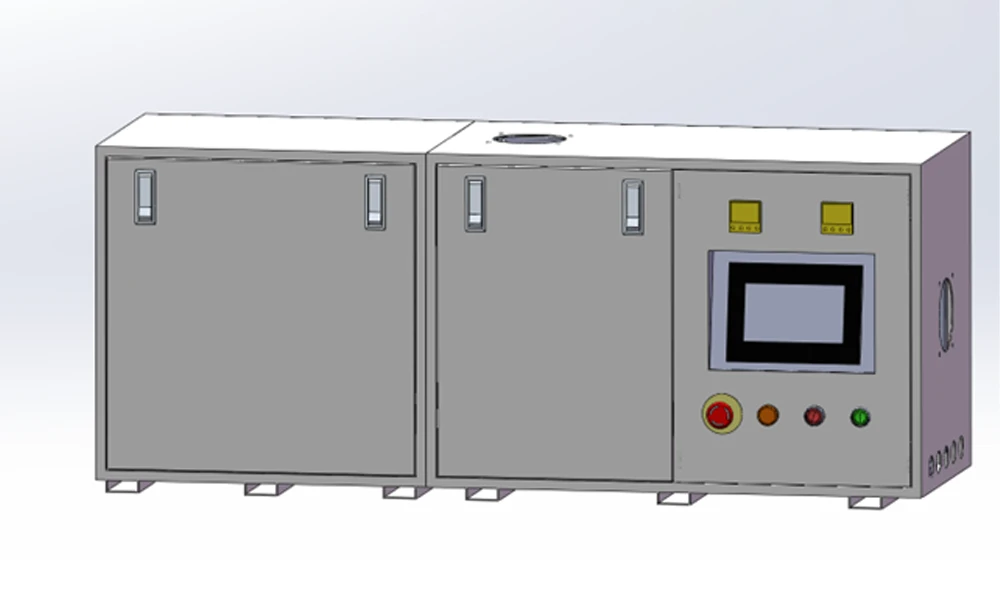
- PLC and HMI Control - The machine is controlled by a PLC with a human-machine interface (HMI), allowing all process parameters—temperature, pressure, gap, speed, and tension—to be set and monitored conveniently. The 0.2–4.7 m/min rolling speed range provides flexibility for both slow, careful process development and faster pilot production.
Technical Specifications
| Parameter | Specification |
| Rolling Temperature | Upper and lower roller heating, room temperature to 130 °C adjustable, digital display |
| Temperature Control Accuracy | ±2 °C |
| Pressure System | Servo-driven electric oil pump |
| Rolling Force | Max. 20 T, pressure adjustable |
| Gap Adjustment | Servo motor drives wedge block to adjust roller gap |
| Rolling Gap | 0–2 mm adjustable |
| Rolling Speed | 0.2–4.7 m/min |
| Roller Specification | Diameter Φ150 × 250 mm |
| Roller Face Width | 250 mm |
| Rolling Precision | ±3 μm |
| Hydraulic Medium | 68# anti-wear hydraulic oil |
| Gap Display | Digital dial gauge |
| Voltage | Single-phase 220 VAC ±10 %, frequency 50 Hz |
| Total Power | 6 kW |
| Tension Control | Yes (tension control function) |
| Web-Edge Guiding | Yes, correction alignment accuracy ±0.5 mm |
| Tension Range | 0–30 N |
| Max. Unwind/Rewind Roll Diameter | 250 mm |
| Shaft Type | 3-inch pneumatic expanding shaft |
Machine Dimensions and Weight
| Item | Dimension | Weight |
| Machine | L1370 mm × W940 mm × H955 mm | 700 kg |
| Electrical Cabinet | L1250 mm × W400 mm × H520 mm | 200 kg |
Recommended Process Parameters
The following parameters are starting points for the TOB-GZYJ-250-20T when laminating a typical PET-carrier solid electrolyte film onto an electrode. Optimize for your specific electrolyte composition and electrode design.
| Parameter | Recommended Starting Value | Notes |
| Rolling temperature | 60–80 °C | Start at the lower end; increase until the electrolyte film bonds without the PET carrier sticking. |
| Rolling pressure | 5–10 T | Increase if adhesion is insufficient; monitor the composite thickness. |
| Rolling gap | 0.3–0.5 mm (less than the combined electrode + 2× electrolyte thickness) | The gap must be smaller than the stack thickness to apply compression. |
| Rolling speed | 0.5–1.0 m/min | Slow speed for initial process development; increase once parameters are established. |
| Web tension | 5–15 N | Sufficient to keep the webs flat without stretching the electrode foil. |
Engineering FAQ
Q1: What is the role of the PET carrier film in this process?
The solid electrolyte membrane is mechanically fragile and difficult to handle as a free-standing film, especially at thin gauges. Casting the electrolyte onto a PET carrier film provides mechanical support during unwinding, transfer, and lamination. During the hot rolling step, the electrolyte is released from the PET carrier and bonded to the electrode surface, and the PET carrier is rewound separately. The TOB-GZYJ-250-20T is designed to handle this carrier-based process.
Q2: Can the TOB-GZYJ-250-20T laminate oxide-based, sulfide-based, or polymer-based solid electrolytes?
The machine's heated rolling process is suitable for solid electrolyte films that soften or bond under heat and pressure. Polymer-based and many oxide-based electrolyte films can be transferred at temperatures up to 130 °C. For sulfide-based electrolytes, which are moisture-sensitive, the machine must be operated in a dry-room or inert-atmosphere environment, and the process parameters (temperature and pressure) must be optimized for the specific sulfide material. Contact TOB to discuss your specific electrolyte type.
Q3: How is the double-side lamination achieved in a single pass?
The electrode path and two independent electrolyte film paths converge at the roller-press nip. One electrolyte film enters from above the electrode, the other from below. The heated rollers bond both films to the respective electrode faces simultaneously, and the two PET carriers are separated and rewound on their own take-up mechanisms. This single-pass double-side design is the defining feature of the TOB-GZYJ-250-20T.
Q4: What maintenance does the hydraulic system require?
The hydraulic system uses 68# anti-wear hydraulic oil. The oil level and condition should be checked monthly, and the oil should be replaced according to the maintenance schedule (typically annually, or sooner if it appears milky or contaminated). The servo-driven electric oil pump and the hydraulic-balanced rolling mechanism should be inspected for leaks and even pressure distribution during routine maintenance.
Q5: What is the maximum roll diameter that can be processed?
The maximum unwind/rewind roll diameter is 250 mm, using 3-inch pneumatic expanding shafts. This accommodates typical pilot-scale electrode and electrolyte film rolls. The machine is configured with three unwind/rewind stations: one for the electrode, two for the solid electrolyte films (with their PET carriers), and one for the finished composite electrode.
Ready to integrate a double-side solid electrolyte transfer lamination step into your solid-state battery electrode production line? Request a quotation for the TOB-GZYJ-250-20T, specifying your electrode width, electrolyte film type, and target throughput. Our solid-state battery process engineers can provide a technical proposal and recommended starting parameters.
tob.amy@tobmachine.com | +86 181 2071 5609
You May Also Need
- Solid-State Battery Equipment — Explore TOB's complete range of solid-state battery manufacturing equipment, from powder synthesis and electrolyte film formation to cell assembly and testing. The TOB-GZYJ-250-20T integrates with this line to form a complete solid-state electrode production system.
- Solid-State Battery Materials — Source solid electrolyte powders, PET carrier films, and electrode active materials that pair with the TOB-GZYJ-250-20T transfer lamination process for solid-state battery research and production.
If you are interested in our products and want to know more details,please leave a message here,we will reply you as soon as we can.


 subscribe to us