Chinese
 français
 Deutsch
 italiano
 español
 português
 Nederlands
 日本語
日本語 한국의
한국의




- Home
- >
- Laboratory Devices
- >
- Autoclave Reactor
- >
- Laboratory Hydrothermal Synthesis Reactor
Categories
Hot Products
Loading...
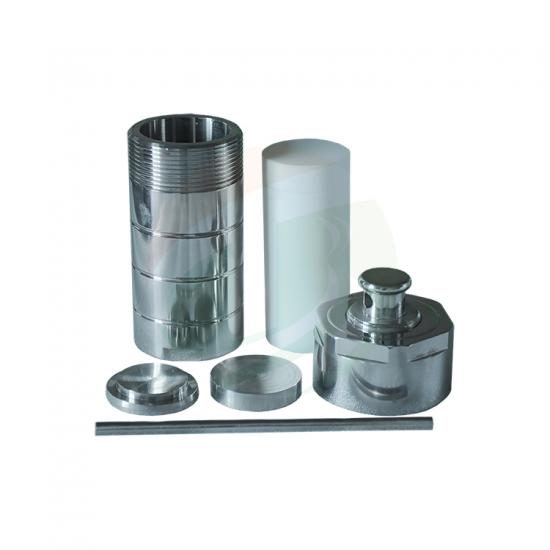

Laboratory Hydrothermal Synthesis Reactor
Brand:
TOB NEW ENERGYitem no.:
TOB-Rreactor-01order(moq):
1Payment:
L/C,T/Tproduct origin:
Chinashipping port:
XIAMEN
TOB-Rreactor-01 Hydrothermal Synthesis Reactor with PTFE/PPL Lining for Laboratory and Battery Material Research
Product Overview and Ideal Applications
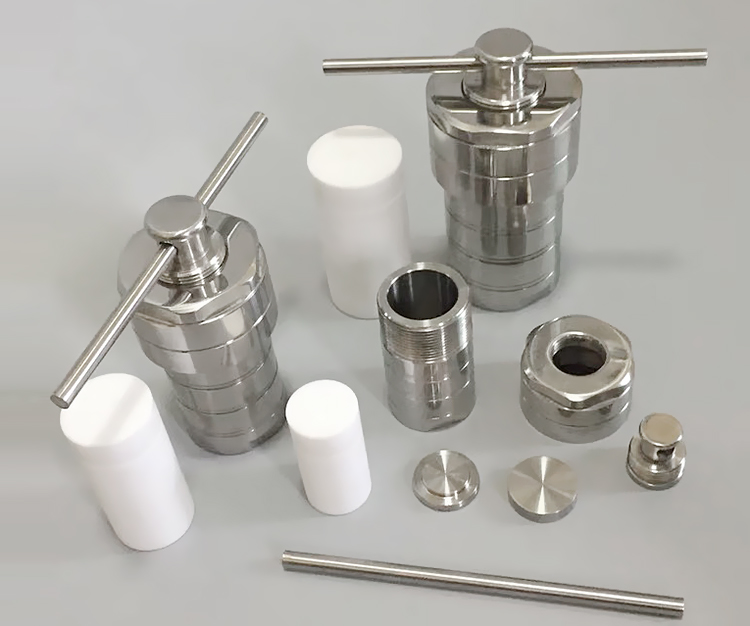
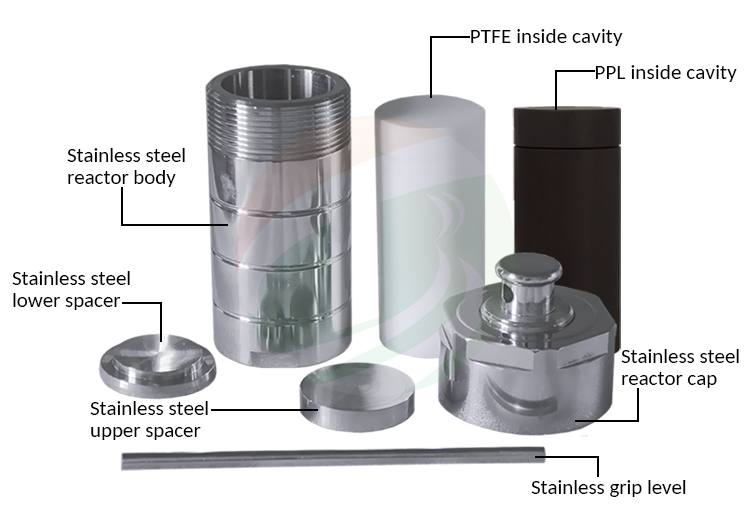
A hydrothermal synthesis reactor—often called an autoclave or digestion vessel—is a sealed, pressure‑resistant container that enables chemical reactions to proceed at temperatures and pressures well above the boiling point of the solvent. Under these conditions, otherwise insoluble or refractory substances can be dissolved, recrystallised, or converted into new phases. The TOB‑Rreactor‑01 hydrothermal synthesis reactor combines a robust 304 stainless‑steel outer body with a chemically inert PTFE or PPL inner lining, permitting the safe handling of corrosive media including strong acids, strong alkalis, aqua regia, and a variety of organic solvents.
The outer body is sealed by a circular tenon‑and‑groove joint and tightened by a manual screw‑operated mechanism, which yields a reliable, high‑integrity seal that keeps the internal pressure safely contained. The housing is finished with a mirror‑polished stainless‑steel exterior that is smooth, easy to clean, and resistant to laboratory‑environment corrosion. The vessel is available in seven standard volumes—15 mL, 25 mL, 50 mL, 100 mL, 150 mL, 200 mL, and 500 mL—covering the needs of both scouting‑scale synthesis experiments and larger batch‑type reactions.
Ideal for:
- Synthesis of cathode and anode precursor powders for lithium‑ion and sodium‑ion batteries, including NMC, LFP, LCO, and hard‑carbon materials.
- Preparation of solid‑state electrolyte powders (e.g., LLZO, LATP) that require controlled‑temperature, high‑pressure crystallisation from a precursor solution.
- Sample digestion and dissolution for atomic absorption spectrometry (AAS) and inductively coupled plasma (ICP) analysis.
- General nanomaterial synthesis (metal oxides, zeolites, metal‑organic frameworks) in university and industrial research laboratories.
- Any wet‑chemical process that benefits from temperatures up to +250 °C and pressures up to 3 MPa while resisting aggressive chemical attack.
Where Hydrothermal Synthesis Fits in Battery Material R&D
In battery materials research, hydrothermal and solvothermal synthesis routes are widely used to prepare uniform, phase‑pure oxide and phosphate cathode precursors, as well as nanostructured anode materials. The TOB‑Rreactor‑01 hydrothermal synthesis reactor provides the sealed, chemically resistant environment needed to run these reactions safely and repeatably on a laboratory scale.
Typical battery‑related syntheses performed in a hydrothermal reactor include:
- NMC precursor co‑precipitation: A mixed‑metal sulfate solution is treated under hydrothermal conditions to nucleate and grow spherical Ni‑Mn‑Co hydroxide or carbonate precursor particles. The tight control over temperature and pressure achievable in the TOB‑Rreactor‑01 helps produce a narrow particle‑size distribution and high tap density.
- LFP and LMFP synthesis: Lithium iron phosphate and its manganese‑substituted variants can be synthesised hydrothermally at moderate temperatures (180–220 °C), well within the working range of the PTFE (up to +220 °C) or PPL (up to +250 °C) lining. The corrosion resistance of the lining allows the use of phosphate‑based precursor solutions without attacking the vessel body.
- Nanostructured anode materials: Hard‑carbon spheres, TiO₂ nanotubes, and SnO₂‑based composites can be produced through hydrothermal routes, often requiring strong alkaline media that the PTFE or PPL lining easily withstands.
- Sample digestion for ICP analysis: When a finished battery material must be analysed for trace‑metal content, the TOB‑Rreactor‑01 can digest the sample in concentrated acid at elevated temperature and pressure, accelerating dissolution and ensuring complete recovery.
Because the TOB‑Rreactor‑01 is available in volumes from 15 mL up to 500 mL, the same reactor design can be used for initial exploratory syntheses (at the 15–50 mL scale) as well as for producing gram‑quantity batches of material (at the 200–500 mL scale) that are large enough for coin‑cell or single‑layer pouch‑cell electrode fabrication.
Key Operational Characteristics
The TOB‑Rreactor‑01 hydrothermal synthesis reactor is built to withstand the demanding combination of high temperature, high pressure, and corrosive chemical environments. Its key design characteristics include:、
- 304 stainless‑steel outer body: The housing is machined from 304‑grade stainless steel and finished with a mirror‑polished exterior. The tenon‑and‑groove sealing joint, tightened by a manual screw, provides a leak‑tight closure that maintains the rated pressure from –0.1 MPa to 3 MPa. Custom pressure ratings are available on request.
- PTFE or PPL inner lining: The user can select between a PTFE lining (recommended for continuous use from –200 °C to +220 °C) or a PPL lining (suitable for –200 °C to +250 °C). Both linings are inert to strong acids, strong alkalis, aqua regia, and most organic solvents. At cryogenic temperatures, the PTFE lining retains approximately 5 % elongation at –196 °C, providing a degree of low‑temperature flexibility.
- Controlled heating and cooling rate: The manufacturer specifies a maximum heating and cooling rate of ≤5 °C/min. Exceeding this rate can create thermal gradients that stress the lining or, in extreme cases, cause an unsafe pressure differential between the interior and the ambient environment.
- Volume range: Seven standard volumes are offered, from 15 mL (convenient for initial scouting reactions) to 500 mL (suitable for gram‑scale synthesis). The filling ratio should not exceed 70–80 % of the total volume to leave sufficient headspace for thermal expansion of the liquid.
Important operating note:
The internal pressure at a given temperature depends on the vapour pressure of the solvent, the fill ratio, and the presence of gases evolved by the reaction. The user must calculate or estimate the expected pressure before each experiment and verify that it remains within the –0.1 MPa to 3 MPa rating of the vessel.
Complete Technical Specifications
The following table contains the specification exactly as provided by the manufacturer. No changes have been made.
| Parameter | Specification |
| Available Volumes | 15 mL, 25 mL, 50 mL, 100 mL, 150 mL, 200 mL, 500 mL |
| Pressure Range | –0.1 ~ 3 MPa (could be customized) |
| Temperature Range | 1. PTFE lining: –200 ~ +220 °C (recommended temperature) 2. PPL lining: –200 ~ +250 °C (recommended temperature) |
| Heating & Cooling Rate | ≤ 5 °C/min |
| Outer Body Material | High‑quality 304 stainless steel |
| Lining Material | PTFE or PPL |
Additional product characteristics:
- The body is made of 304 high‑quality stainless steel, sealed by a circular tenon‑and‑groove joint, and fastened by a manual screw. The design offers good sealing performance and a high safety factor.
- The external surface is polished with a stainless‑steel mirror finish, providing high smoothness and an aesthetically clean appearance.
- Corrosion resistance: the lining withstands strong acids, strong alkalis, aqua regia, and various organic solvents.
- Low‑temperature performance: at –196 °C, the PTFE material retains approximately 5 % elongation.
Engineering FAQ
Q1: How should I choose between the PTFE lining and the PPL lining?
PTFE is suitable for the majority of hydrothermal synthesis applications, with a recommended maximum working temperature of +220 °C and excellent resistance to acids, alkalis, and organic solvents. PPL (perfluoroalkoxy‑alkane polymer) can be used to approximately +250 °C and offers similar chemical resistance, making it a better choice when the reaction requires temperatures between 220 °C and 250 °C. PPL also has slightly different mechanical properties that may be advantageous in certain applications.
Q2: Can the reactor be used with solvents that generate high vapour pressure, such as ethanol or acetone?
Yes, provided the internal pressure at the reaction temperature does not exceed 3 MPa. For organic solvents with high vapour pressures, the filling ratio should be reduced accordingly. It is the user’s responsibility to calculate the expected pressure before each run and to verify that it is within the vessel’s rating.
Q3: How long does a typical hydrothermal synthesis take, and what temperature is most commonly used?
Many battery‑material syntheses are performed in the 150–220 °C range for 6–24 hours. The exact time and temperature depend on the specific precursor chemistry and the desired particle size. The TOB‑Rreactor‑01’s temperature range accommodates this entire window with either lining choice.
Q4: Is the reactor compatible with microwave‑assisted hydrothermal synthesis?
The 304 stainless‑steel outer body is not suitable for microwave heating, as it will reflect microwaves and could cause arcing. For microwave‑assisted synthesis, a reactor with a microwave‑transparent outer body is required. TOB can advise on alternative equipment; contact our sales team.
Ready to perform hydrothermal synthesis of battery precursor powders, solid electrolytes, or nanomaterials? Request a quotation for the TOB‑Rreactor‑01 in the volume and lining material that suit your application. For custom pressure ratings or volume requirements, contact our laboratory equipment team.
tob.amy@tobmachine.com | +86 181 2071 5609
You May Also Need
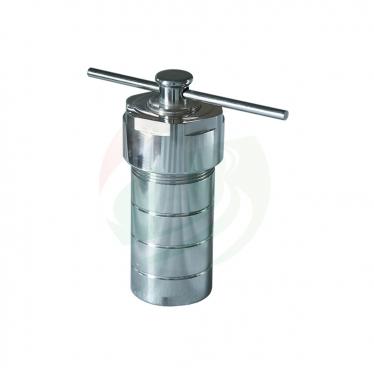
- Non‑Corrosive PTFE‑Lined Hydrothermal Synthesis Autoclave Reactor — A PTFE‑lined autoclave reactor designed for highly corrosive environments. Offers similar chemical resistance to the TOB‑Rreactor‑01 in a different form factor, suitable for digestion and synthesis where a user‑removable liner is not required.
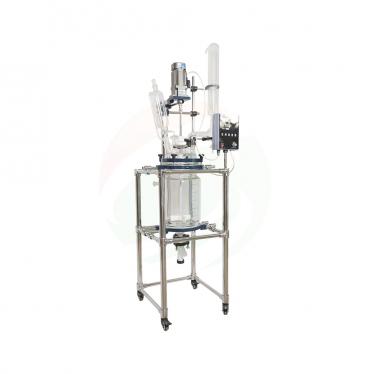
- Lab‑Scale Double‑Layer Jacketed Glass Chemical Reactor Vessel — A jacketed glass reactor vessel for reactions that require precise temperature control and visual monitoring. Complements the sealed pressure‑reactor approach of the TOB‑Rreactor‑01 when reactions are performed at atmospheric pressure or under reflux.
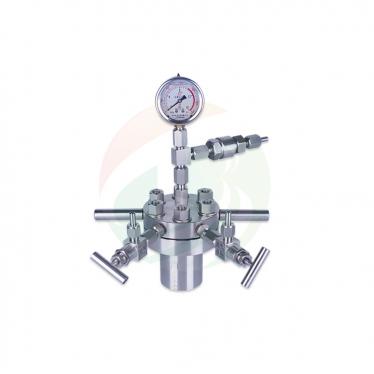
- Laboratory Simple Chemical High‑Pressure Autoclave Reactor Vessel — A straightforward, high‑pressure autoclave vessel for general laboratory use. Can be a cost‑effective alternative when the synthesis does not require the extreme corrosion resistance or the specific PTFE/PPL lining configuration of the TOB‑Rreactor‑01.
Previous:
Non-corrosive Polytetrafluoroetylene Lined Hydrothermal Synthesis Autoclave Reactor for Lab
If you are interested in our products and want to know more details,please leave a message here,we will reply you as soon as we can.

 subscribe to us