Chinese
 français
 Deutsch
 italiano
 español
 português
 Nederlands
 日本語
日本語 한국의
한국의




- Home
- >
- Battery Materials
- >
- Solid State Battery Material
- >
- LLZO Li7La3Zr2O12 Lithium Lanthanum Zirconate Solid Electrolyte
Categories
Hot Products
Loading...
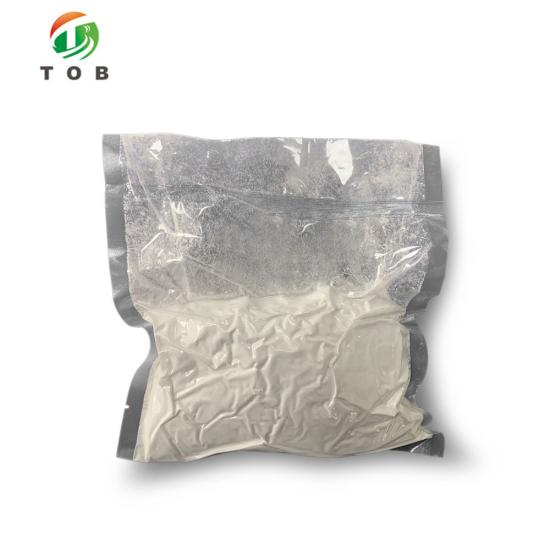
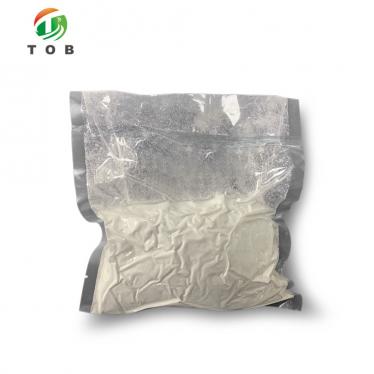
LLZO Li7La3Zr2O12 Lithium Lanthanum Zirconate Solid Electrolyte
Brand:
TOB NEW ENERGYitem no.:
TOB-LLZOorder(moq):
1 bagPayment:
L/C,T/Tproduct origin:
Chinashipping port:
XIAMEN
TOB-LLZO Lithium Lanthanum Zirconate (Li₇La₃Zr₂O₁₂) Garnet Solid Electrolyte Powder for All-Solid-State Lithium-Ion Batteries
Product Overview and Ideal Applications
Lithium lanthanum zirconate, with the stoichiometry Li₇La₃Zr₂O₁₂ (LLZO), is a garnet‑type oxide solid electrolyte that has attracted intense research and industrial interest for all‑solid‑state lithium‑ion and lithium‑metal batteries. Unlike sulfide‑based solid electrolytes that generate toxic H₂S upon moisture exposure, or NASICON‑type electrolytes like LATP that are unstable against metallic lithium, LLZO combines high lithium‑ion conductivity (up to 6 × 10⁻⁴ S/cm at room temperature) with exceptional chemical stability against molten lithium and a wide electrochemical stability window exceeding 5 V versus Li⁺/Li.
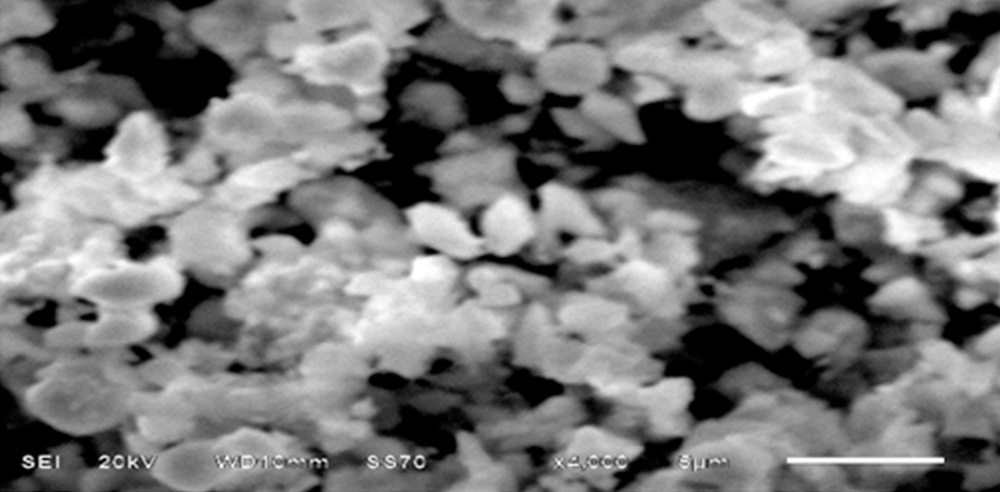
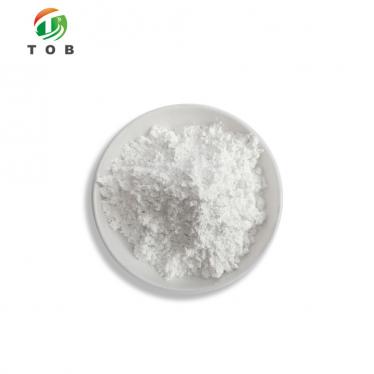
The TOB‑LLZO powder is a high‑purity (≥99.9 %, 3N grade) sub‑micron material with a primary particle size of less than 5 µm and a sieve fineness of 325 mesh. It is supplied as a light yellow powder, ready for pellet pressing and sintering into dense electrolyte membranes, or for use as an ion‑conducting additive in composite cathodes. The material crystallises in a cubic garnet structure, which is the highly conductive polymorph that allows lithium ions to migrate through a three‑dimensional network of partially occupied tetrahedral and octahedral sites.
A key advantage of LLZO over other oxide electrolytes is its thermodynamic stability in direct contact with metallic lithium. This eliminates the need for a protective buffer layer between the electrolyte and a lithium‑metal anode, simplifying cell architecture and reducing interfacial resistance. This unique property, combined with the material’s inherent air stability (it can be briefly handled in ambient air without degradation), makes TOB‑LLZO a cornerstone material for next‑generation solid‑state battery development.
Ideal for:
- All‑solid‑state lithium‑metal battery cells where the solid electrolyte must be sintered into a dense membrane and directly interfaced with a lithium foil anode.
- Composite cathode fabrication, where LLZO powder is mixed with active material (NMC, LFP) and conductive carbon to provide ionic percolation throughout the cathode thickness.
- Research groups and pilot lines investigating garnet‑type solid electrolytes as the enabling material for high‑energy‑density, intrinsically safe rechargeable batteries.
- Any laboratory seeking a reliable, well‑characterised source of cubic‑phase LLZO powder with controlled impurity levels for reproducible electrochemical results.
Where LLZO Fits in All‑Solid‑State Battery Manufacturing
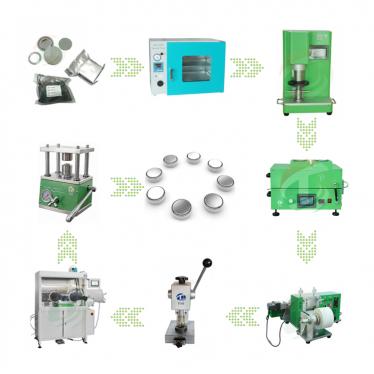
In an all‑solid‑state lithium‑ion or lithium‑metal cell, the conventional liquid electrolyte and porous polymer separator are replaced by a dense, lithium‑ion‑conducting ceramic membrane. LLZO can serve as that membrane, or it can be incorporated into the composite cathode to provide ionic conduction pathways. The typical manufacturing flow for a garnet‑based solid‑state cell is:
- Electrolyte membrane fabrication:
- The TOB‑LLZO powder is uniaxially or isostatically pressed into a green pellet.
- The pellet is sintered at high temperature (typically 1100–1200 °C) in a controlled atmosphere to achieve a relative density >95 %.
- After sintering, the pellet is polished to the desired thickness (often 100–500 µm) and, if necessary, a thin interfacial layer (e.g., Li metal, Au, or a polymer) is applied.
- Composite cathode preparation:
- The cathode active material (e.g., NMC622) is mixed with TOB‑LLZO powder, conductive carbon, and a small amount of binder to form a composite cathode slurry.
- The slurry is coated onto a current collector (aluminium foil) and dried.
- The composite cathode may be co‑sintered with the electrolyte membrane or simply pressed together during cell assembly.
- Cell assembly and testing:
- The cathode‑electrolyte‑anode stack is assembled, typically with a lithium metal foil as the anode.
- The stack is placed under spring pressure to maintain interfacial contact during cycling.
- Electrochemical testing is performed to evaluate capacity, rate capability, and cycle life.
The TOB‑LLZO powder enters the process at step 1 or step 2. Its primary particle size of <5 µm is well‑suited for achieving high green density, which reduces the sintering temperature and minimises lithium loss by evaporation. The impurity limits (see table below) are critical because trace contaminants such as aluminium, silicon, and iron can form low‑melting‑point grain‑boundary phases that block lithium‑ion conduction or promote electronic conductivity, effectively short‑circuiting the solid electrolyte.
The TOB‑LLZO powder is specified as follows. All values are guaranteed by the manufacturer.
General Material Information
|
Material Name |
Purity |
Primary particle size(um) |
Particle size (Mesh) |
|
Lithium Lanthanum Zirconium Oxide Material(Li7La3Zr2O12) |
3N |
< 5 |
325 |
Detailed Specifications
- Li₇La₃Zr₂O₁₂ Material Purity (wt%): ≥ 99.9 %
- Component Ratio (atomic): Li : La : Zr : O = 7 : 3 : 2 : 12
- Crystal Structure: Olivine cubic phase (as specified by the manufacturer)
- Ionic Conductivity: 6 × 10⁻⁴ S/cm
- Powder Colour: Light yellow powder
Impurity Content (Maximum, in ppm)
|
Element |
Fe |
Cu |
Mn |
Ca |
Na |
K |
Mg |
Nb |
Ni |
Si |
Al |
|
Content |
15 |
10 |
12 |
10 |
6 |
7 |
8 |
25 |
10 |
25 |
150 |
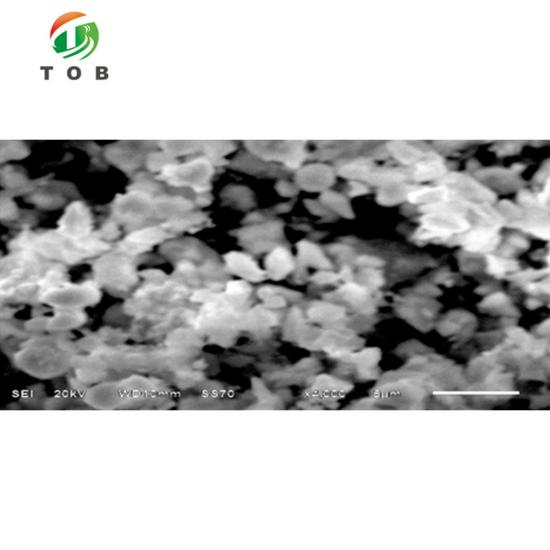
SEM:
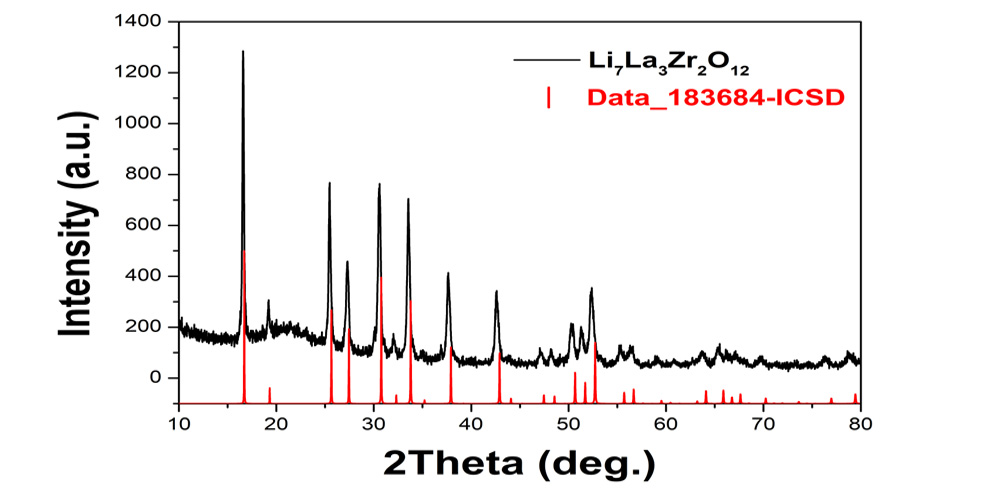
XRD:
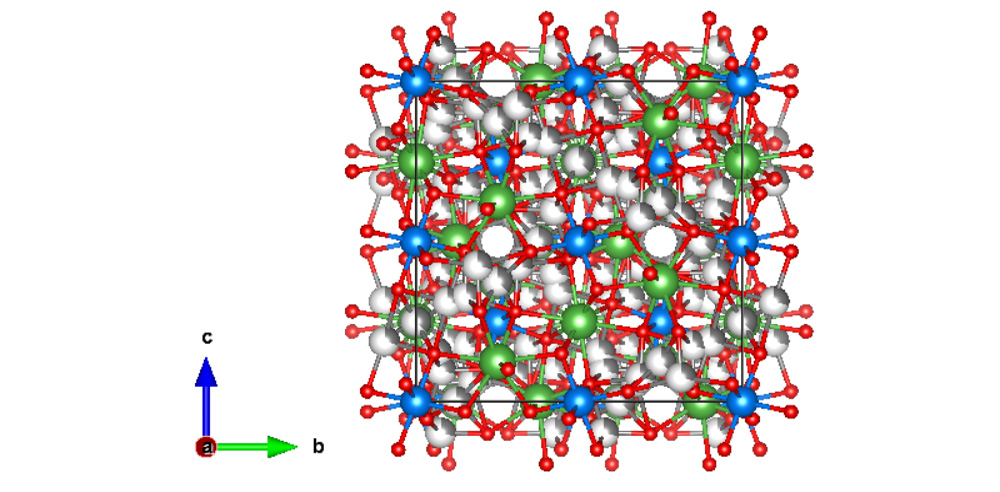
A) Li7La3Zr2O12 Cubic phase, Space group: Ia-3d, a = 13.091835 Å, ZO(Zero Offset):-0.0213o
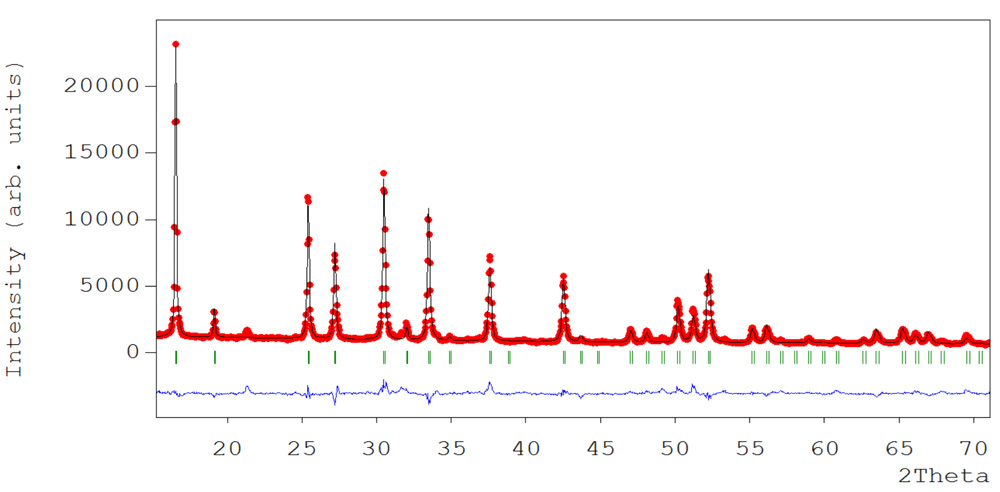
B) Rietveld refinement results by using FullProf suite
Engineering FAQ — LLZO Solid Electrolyte Powder
Q1: Is the powder already in the cubic garnet phase, or does it require the addition of a dopant during synthesis?
The TOB‑LLZO powder as supplied is described as having an "olivine cubic phase" (per the manufacturer’s specification). In practice, commercial LLZO powders are often pre‑stabilised in the cubic phase through aluminium doping (which may be present as an impurity from the synthesis process, as suggested by the 150 ppm Al specification). If you find that your sintered pellets contain the lower‑conductivity tetragonal phase, you may need to add a small amount (0.2–0.5 wt%) of Al₂O₃, Ga₂O₃, or another dopant during the pellet preparation.
Q2: How should I store the powder after opening the container?
Although LLZO is air‑stable, it can slowly adsorb moisture and CO₂ from the air, forming surface Li₂CO₃. This carbonate layer increases the grain‑boundary resistance in sintered pellets. Store the opened container in a dry environment (<30 % RH) or inside a desiccator. Before pressing, it is good practice to dry the powder at 200 °C for 1 hour under vacuum to remove adsorbed surface species.
Q3: Can this powder be used to make composite cathodes with NMC, and does LLZO react with the cathode material during co‑sintering?
At typical LLZO sintering temperatures (1100–1150 °C), NMC cathode materials will decompose and react with LLZO to form insulating interfacial phases (e.g., La(Ni,Co)O₃). For this reason, co‑sintering of LLZO with NMC is generally not performed. Instead, the composite cathode is either cold‑pressed onto the electrolyte membrane or sintered at a reduced temperature (< 700 °C) using a sintering aid. Alternatively, a thin buffer layer (e.g., LiNbO₃) can be coated onto the NMC particles to prevent reaction.
Q4: What is the expected areal resistance of a 300 µm thick LLZO pellet with this powder?
The areal‑specific resistance (ASR) can be estimated as: ASR = thickness / conductivity = 0.03 cm / (6 × 10⁻⁴ S/cm) ≈ 50 Ω·cm².
This value is for a fully dense pellet with negligible grain‑boundary resistance. Real‑world pellets may have an ASR of 50–200 Ω·cm² due to grain‑boundary effects and surface contamination. Polishing the pellet surfaces and applying a thin gold or lithium layer can reduce the interfacial component.
Q5: Can the powder be tape‑cast into thin films, or is it primarily used for pellet pressing?
Yes, LLZO can be tape‑cast. The fine particle size (<5 µm) is suitable for slurry formulations. After casting and drying, the green tape must be sintered at high temperature to achieve density. However, because the tape is very thin, lithium loss and warping are more severe issues than with pellets. A careful sintering profile and the use of a sacrificial powder bed are essential. Tape casting is the preferred route for producing electrolyte membranes thinner than 100 µm.
Ready to advance your all‑solid‑state lithium‑metal battery research with a high‑purity, lithium‑stable solid electrolyte powder? Request a quotation for TOB‑LLZO, or contact our solid‑state battery materials team for a discussion of sintering aids, co‑sintering strategies, and recommended cell architectures.
tob.amy@tobmachine.com | +86 181 2071 5609
You May Also Need
- LAGP Li₁.₅Al₀.₅Ge₁.₅P₃O₁₂ Solid Electrolyte Powder — A germanium‑based NASICON solid electrolyte with higher ionic conductivity than LLZO, suited for thin‑film electrolyte layers where lower resistance is critical.
- LATP Lithium Aluminum Titanium Phosphate Solid Electrolyte Powder — An air‑stable, cost‑effective NASICON electrolyte with excellent processability, ideal for composite cathodes and electrolyte membranes when paired with a lithium‑anode buffer layer.
- LPSCl Lithium Phosphorus Sulfur Chloride Solid Electrolyte Powder — A sulfide‑class solid electrolyte with ultra‑high ionic conductivity (10⁻³–10⁻² S/cm), enabling cold‑pressed cell assembly without sintering. Requires moisture‑free handling but offers room‑temperature performance comparable to liquid electrolytes.
Previous:
LATP Lithium Aluminum Titanium Phosphate Solid State Battery Electrolyte SheetNext:
Lithium Phosphorus Sulfur Chloride LPSCl Powder
If you are interested in our products and want to know more details,please leave a message here,we will reply you as soon as we can.

 subscribe to us