Chinese
 français
 Deutsch
 italiano
 español
 português
 Nederlands
 日本語
日本語 한국의
한국의




- Home
- >
- Laboratory Devices
- >
- Vibrating Screen
- >
- Ultrasonic Vibrating Screen 20-300um
Categories
Hot Products
Loading...
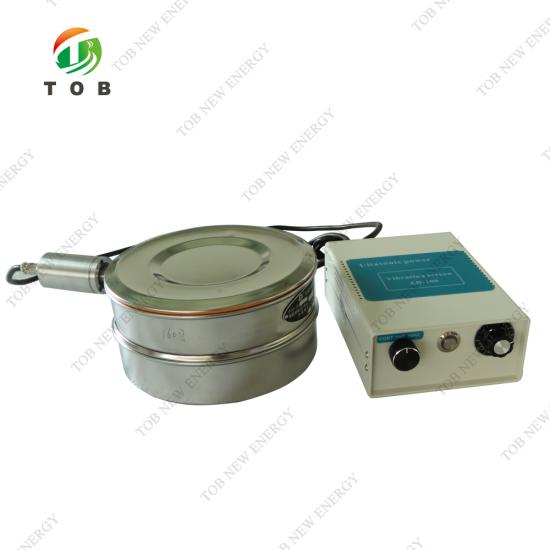
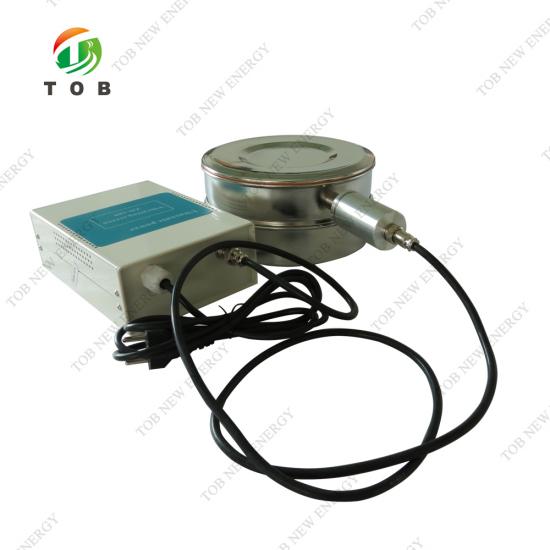
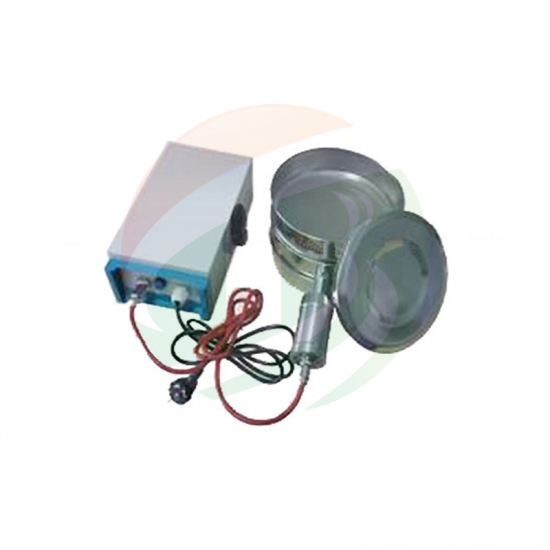
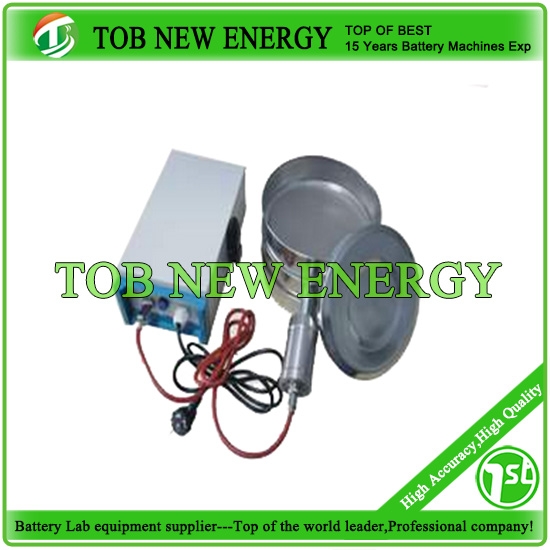
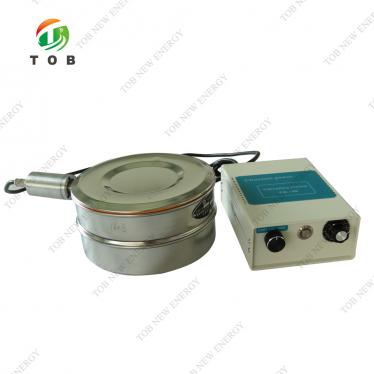
Ultrasonic Vibrating Screen 20-300um
Brand:
TOB NEW ENERGYitem no.:
TOB-ZD-100order(moq):
1setPayment:
L/C,T/Tproduct origin:
Chinashipping port:
XIAMEN
Laboratory Ultrasonic Vibrating Screen for Battery Electrode Slurry Sieving | TOB-ZD-100
Product Overview and Ideal Applications
The TOB‑ZD‑100 is a laboratory‑scale ultrasonic vibrating screen designed specifically for sieving battery electrode slurries after the mixing stage and immediately before the coating stage. Its purpose is straightforward: to remove oversized particles, agglomerates, and foreign contaminants from the slurry, ensuring that only a homogeneous, finely dispersed material reaches the coating head.
The machine uses an ultrasonic power generator (100 W, adjustable frequency 24–36 kHz) to drive an energy converter (ultrasonic transducer: Ø30 mm, 135 mm length) that transmits high‑frequency vibrations to a stainless‑steel mesh (Ø200 mm). The ultrasonic vibration prevents particles from lodging in the mesh openings—a phenomenon known as blinding—and keeps the screen clear for continuous operation. A built‑in pulser (adjustable 0.1–10 s) allows the ultrasonic output to be pulsed rather than applied continuously, which can assist in breaking up soft agglomerates without over‑working the slurry.
Standard mesh sizes range from 20 µm to 300 µm, covering the typical filtration requirements for both cathode and anode slurries. The entire unit operates on standard single‑phase AC 220 V/50 Hz mains power and is covered by a one‑year limited warranty with lifetime technical support.
Ideal for:
- Battery R&D laboratories that mix small batches of cathode slurry (NMC, LFP, LCO) or anode slurry (graphite, silicon‑carbon) and need to remove coarse particles and agglomerates before coating.
- Pilot lines producing electrode sheets for coin‑cell or single‑layer pouch‑cell assembly, where coating defects caused by slurry impurities can compromise the entire batch.
- Quality‑control checks on incoming slurry, where a quick pass through a 25 µm or 38 µm screen reveals whether the mixing process has adequately dispersed the conductive carbon and active material.
- Any laboratory that has observed streaks, pinholes, or thickness variations in hand‑coated electrodes and suspects that oversized particles or agglomerates are the cause.
Where Slurry Sieving Fits in the Electrode Manufacturing Process
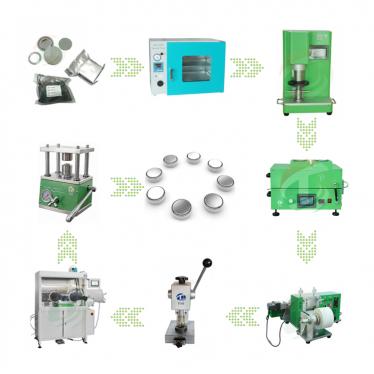
In a typical battery electrode fabrication line—whether a laboratory benchtop or a pilot‑scale coater—the process order is:
- Slurry mixing: Active material, conductive carbon, and binder are mixed in a planetary mixer.
- Slurry sieving (the TOB‑ZD‑100’s role): The mixed slurry is passed through the ultrasonic vibrating screen to remove any oversized particles, undispersed carbon agglomerates, or foreign debris.
- Coating: The sieved slurry is applied onto the current‑collector foil using a doctor blade, slot die, or comma coater.
- Drying and calendaring: The coated foil is dried and pressed to the target density.
Step 2 is small in terms of equipment footprint, but it has a disproportionate impact on coating quality. Electrode slurries, especially those with high solid content and high viscosity, can contain soft agglomerates of carbon black that survive the mixing process. If these agglomerates pass through the coating head, they can create streaks in the wet film that become pinholes or thin spots after drying. Hard foreign particles—from the raw materials or from equipment wear—can scratch the doctor blade or slot‑die lip, permanently damaging the precision tool and causing a continuous line defect in the coated foil.
By placing the TOB‑ZD‑100 between the mixer and the coater, the laboratory ensures that only well‑dispersed, particle‑free slurry reaches the foil. The ultrasonic action not only sieves out oversized material but also helps to break up soft agglomerates at the mesh surface, improving the yield of usable slurry and reducing waste.
Practical note for battery labs:
The mesh should be cleaned immediately after each use to prevent dried slurry from blocking the openings and to avoid cross‑contamination between different chemistries. The stainless‑steel mesh (Ø200 mm) can be rinsed with the slurry's own solvent (NMP for cathode slurries, deionised water for aqueous anode slurries) and gently brushed if necessary.
How the Ultrasonic Vibrating Screen Operates
The TOB‑ZD‑100 uses ultrasonic vibration to perform slurry sieving. The system comprises the following components:
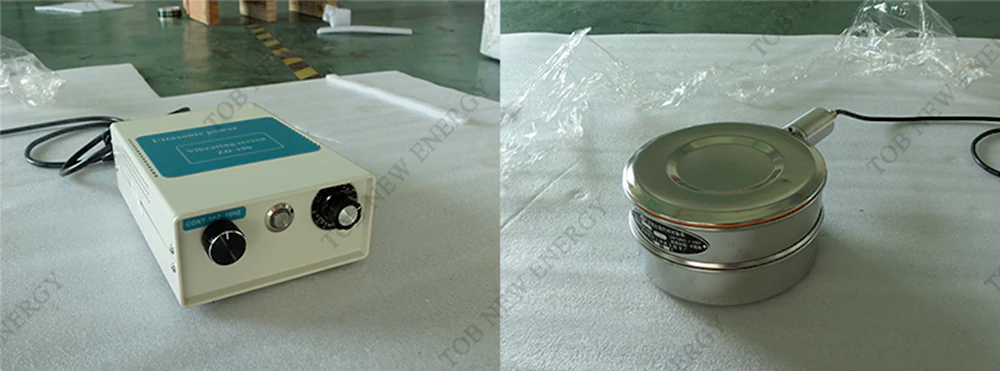
- Power generator (100 W, 24–36 kHz): The generator converts the mains electrical supply into a high‑frequency signal. It includes a pulser function (adjustable 0.1–10 s) that allows the ultrasonic output to be turned on and off at a user‑selectable interval. The generator itself weighs 3 kg and is a separate unit connected to the transducer via a 1500 mm cable.
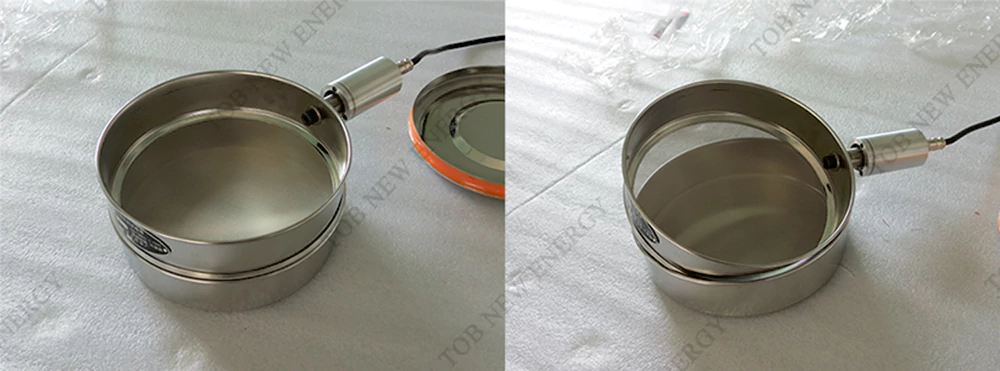
- Energy converter (ultrasonic transducer, Ø30 mm × 135 mm): The transducer receives the electrical signal from the generator and converts it into mechanical vibrations. These vibrations are transmitted to the mesh assembly.
- Stainless‑steel mesh (Ø200 mm, mesh opening 20–300 µm): The slurry is poured onto the mesh. The ultrasonic vibration inhibits particles from lodging in the mesh openings and helps to keep the screen clear. Slurry that passes through the mesh is collected and is ready for coating; oversized particles and agglomerates are retained on the mesh surface.
This machine is used after slurry mixing and before coating, to remove larger particles and impurities so that the best slurry is obtained for electrode coating.
Technical Specifications
| Parameter | Specification |
| Model | Ultrasonic Vibrating Screen TOB‑ZD‑100 |
| Power Generator | Power: 100 W, Frequency: 24–36 kHz, Net Weight: 3 kg, Pulser: 0.1–10 s |
| Energy Converter | Diameter: 30 mm, Length: 135 mm, Cable Length: 1500 mm |
| Stainless Steel Mesh | Diameter: 200 mm, Standard Mesh: 20–300 µm |
| Source Voltage | AC 220 V, 50 Hz |
| Warranty | One year limited warranty with lifetime support |
Common Operational Questions
Q1: How do I choose the right mesh size for my slurry?
The ideal mesh size depends on the largest particle or agglomerate that your coating process can tolerate without producing defects. A common starting point for NMC‑based cathode slurries is a 25 µm or 38 µm mesh. For graphite anode slurries, a 45 µm or 53 µm mesh is often used. If you are unsure, run a small volume of slurry through a range of sieves and inspect the coated electrodes for defects.
Q2: How should the mesh be cleaned after use?
Rinse the mesh immediately after sieving with the same solvent used in the slurry (NMP for cathode, deionised water for aqueous anode). Use a soft brush only if necessary; avoid metal scrapers. Allow the mesh to dry before storing. If slurry dries on the mesh, it will block the openings and require more aggressive cleaning.
Q3: Can the TOB‑ZD‑100 be used with high‑viscosity slurries?
The specification does not state a maximum viscosity. In practice, very high‑viscosity slurries (e.g., above 10,000 mPa·s) may pass through the mesh slowly and may require a larger mesh aperture. The pulser function can assist in such cases by intermittently applying ultrasonic energy to help the slurry pass through the screen.
Q4: What is the pulser function used for?
The pulser (adjustable 0.1–10 s) switches the ultrasonic output on and off at a set interval. This can be useful to prevent over‑working the slurry, to allow material to settle on the mesh before the next ultrasonic pulse, or to manage the temperature of the slurry during extended sieving.
Ready to eliminate coating defects caused by oversized particles and agglomerates in your electrode slurry? Request a quotation for the TOB‑ZD‑100 with the mesh aperture sizes that match your slurry formulations. Our application engineers can discuss your specific slurry characteristics and recommend starting settings for frequency and pulser.
tob.amy@tobmachine.com | +86 181 2071 5609
You May Also Need
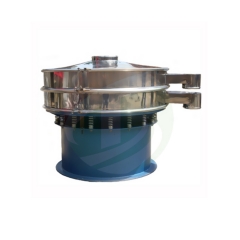
1. Rotary Vibrating Screen for Battery Slurry - A rotary‑type vibrating screen for higher‑throughput slurry sieving. Suitable when larger volumes of electrode slurry must be processed before coating, complementing the TOB‑ZD‑100's ultrasonic sieving for finer or batch‑scale applications.
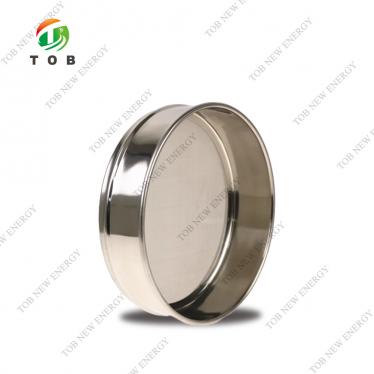
2. 304SS Screen 600 Mesh Sieve - A precision 304 stainless‑steel sieve with 600‑mesh aperture (approx. 20–25 µm). Can be used as a replacement or alternative mesh for the TOB‑ZD‑100 when very fine slurry filtration is required.
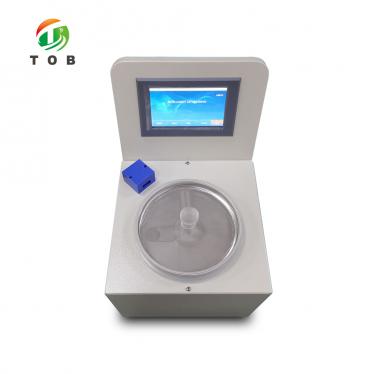
3. Air Jet Sieve Analyzer for Powder Particle Size - A dry‑powder air‑jet sieving instrument for particle size analysis. Useful for quality‑controlling the raw active materials before slurry mixing, complementing the TOB‑ZD‑100 which sieves the final slurry.
Previous:
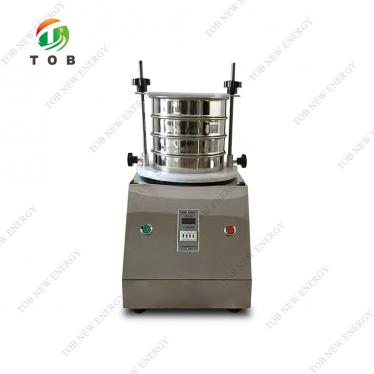
Electric Vibrating Sieve
If you are interested in our products and want to know more details,please leave a message here,we will reply you as soon as we can.

 subscribe to us