Chinese
 français
 Deutsch
 italiano
 español
 português
 Nederlands
 日本語
日本語 한국의
한국의




- Home
- >
- Battery Production Line
- >
- Cylindrical Cell Production Line
- >
- 21700 Tabless Cylindrical Battery Production Line
Categories
Hot Products
Loading...
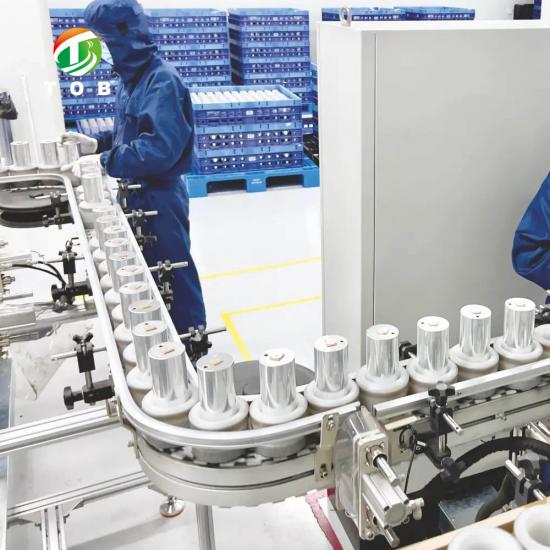
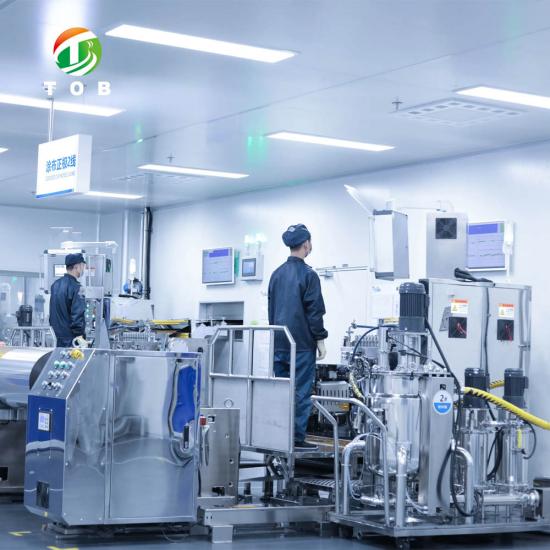
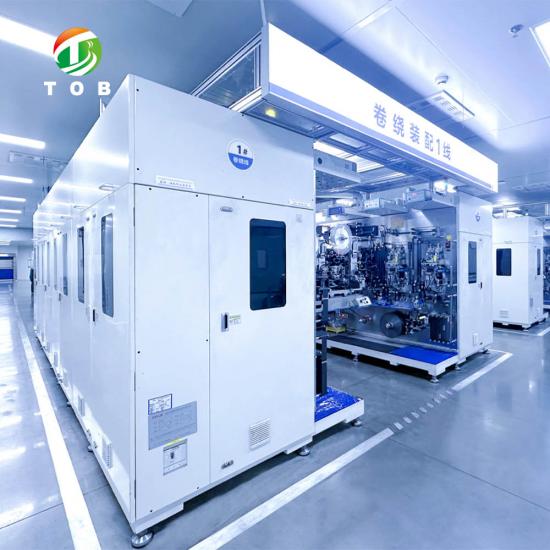
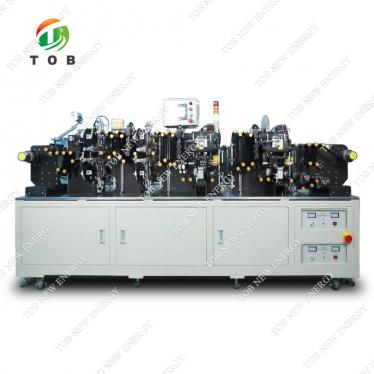
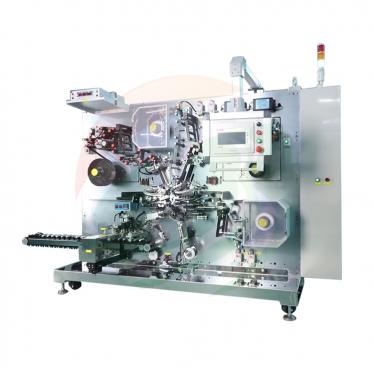
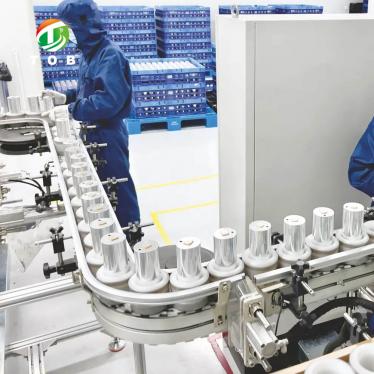
21700 Tabless Cylindrical Battery Production Line
Brand:
TOB NEW ENERGYitem no.:
TOB-TCP-21700order(moq):
1Payment:
L/C,T/Tproduct origin:
Chinashipping port:
XIAMEN
21700 Tabless Cylindrical Battery Production Line for High-Rate Drone Cells
Product Overview
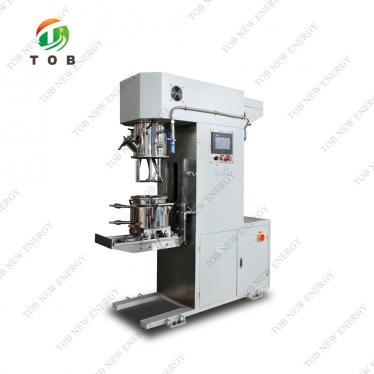
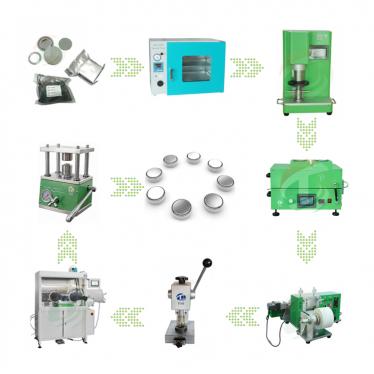
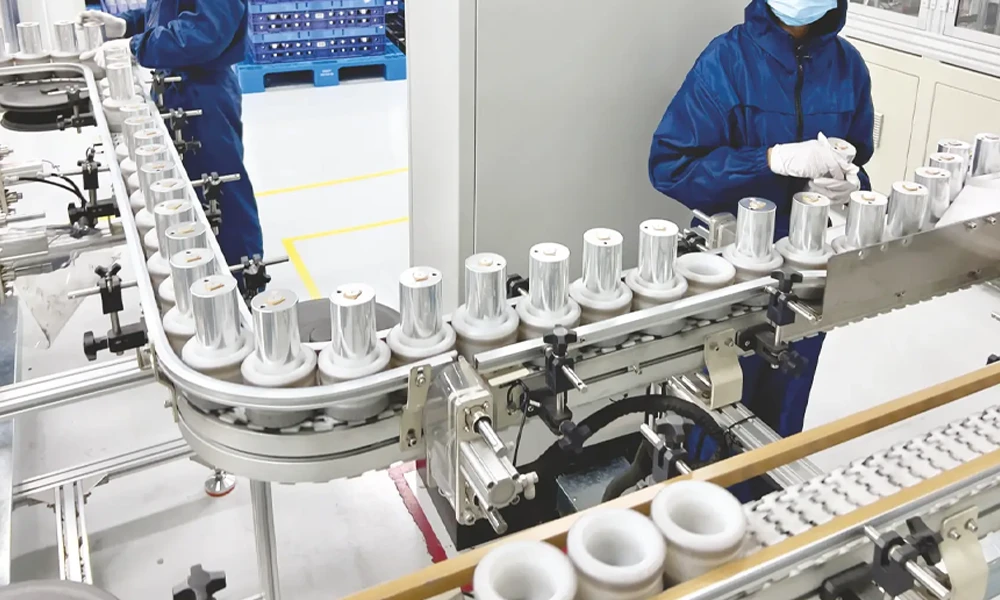
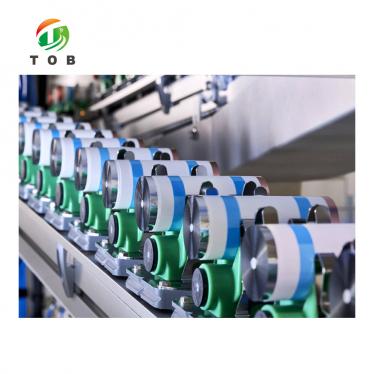
The TOB 21700 tabless (full-tab) cylindrical cell production line is a fully automatic, integrated manufacturing system that converts raw electrode materials into finished, formation-and-grading-completed 21700 tabless cells — purpose-tuned for the demanding requirements of drone battery packs. The line spans the entire manufacturing chain in one continuous flow: electrode mixing is outside the line scope, while coating, calendering, slitting, tabless winding, collector-disc welding, can assembly, electrolyte filling, formation, degassing, grading, and aging are all integrated in-line under full automation.
The defining technology of the line is the tabless (full-tab) architecture. In a conventional cylindrical cell, the current is collected through discrete tabs welded to the foil edge — a small contact area that concentrates current, generates heat, and limits discharge rate. In a tabless cell, the uncoated foil edges extend across the full electrode width and are exposed as a continuous "fringe" at each end of the jelly roll. This full-edge current path is welded to a collector disc, eliminating the tab bottleneck entirely. The result is a dramatically lower internal resistance, a shorter and more uniform electron path, and a cell that can sustain high continuous discharge currents with far less heat generation — exactly the combination a drone demands during aggressive throttle changes, high-rate climbing, and fast discharging.
The 21700 tabless format in this line is optimized for drone battery cells: high gravimetric energy density to maximize flight time, high rate capability for the instantaneous power draw of drone motors, low and consistent internal resistance, and strict cell-to-cell consistency so that the multi-cell drone packs assembled downstream are balanced and reliable.
Capacity (design range): The line is configured for a nominal output in the range of 8–15 cells per minute (approximately 4,000–7,000 cells per 8-hour shift) at the cell assembly section, with an annual design capacity on the order of 3–6 million cells per year at 80 % overall equipment effectiveness (OEE). The electrode section is sized to match the assembly throughput, providing the coated, calendered, and slit electrode supply required by the winding section. Exact capacity depends on the final configuration, cell design, and electrode recipe, and is confirmed at the engineering-quotation stage.
Ideal for:
- Drone battery cell manufacturers transitioning from conventional tabbed 21700 cells to high-rate tabless cells.
- Lithium-ion cell producers building a new pilot-to-medium tabless cylindrical line with in-line formation and grading.
- Battery manufacturers seeking a fully automatic, traceable electrode-to-graded-cell solution for high-power cylindrical applications.
- UAV pack integrators that require consistent, well-graded 21700 tabless cells as the building blocks of high-performance drone packs.
Where the Line Fits in the Drone Battery Market
Drone batteries are among the most demanding lithium-ion applications in production today. A drone cell must simultaneously deliver:
- High gravimetric energy density — flight time is directly proportional to the cell's energy-to-weight ratio, so every gram of inactive material (including tab mass) is a liability.
- High discharge rate — drone motors can draw 10C–20C or more during aggressive maneuvers, requiring a cell with low internal resistance and a robust high-current path.
- Consistent cell-to-cell performance — a drone pack is a multi-cell series configuration (typically 3S–6S or more); one weak cell limits the entire pack, so cells must be tightly graded for capacity and internal resistance.
- Thermal stability — the confined, lightweight drone airframe offers limited cooling, so heat generation within the cell must be minimized.
The tabless architecture addresses the rate and heat challenges directly: the full-edge current collection lowers DCIR, reduces localized heating, and allows the cell to deliver high current with a flatter voltage curve. The in-line formation and grading sections of this line address the consistency challenge: every cell is formed, degassed, and capacity/DCIR-graded within the same production flow, producing the tightly matched cells that drone packs require.
Compared to a conventional tabbed 21700 line, the tabless line differs in three process areas: electrode edge cleaning (to expose the foil fringe), tabless winding (to produce the even foil fringe at both roll ends), and collector-disc laser welding (to join the full annular fringe to the current collector). These three areas are the technical core of the line.
Line Process and Functional Modules
The line is organized as a continuous, fully automatic flow. The modules are described in process order.
Stage 1 — Electrode Manufacturing Section (In-Line)
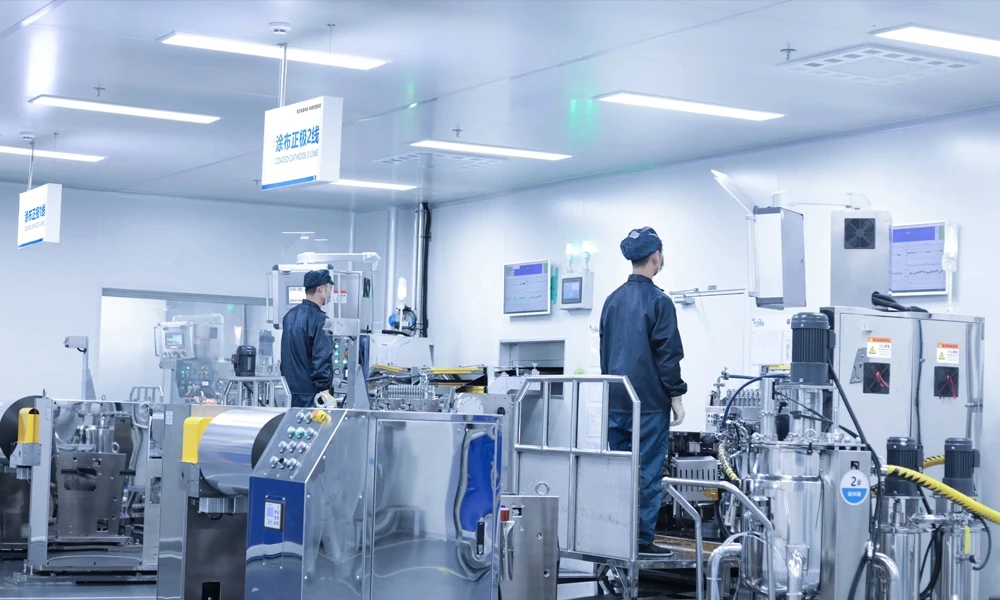
1. Coating
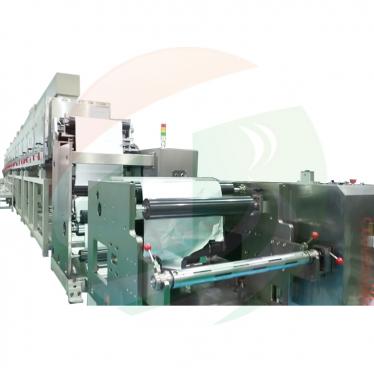
Cathode (NMC-based high-rate cathode) and anode slurries are coated onto aluminum and copper foil respectively by slot-die or transfer coating, with in-line drying. For drone cells, the coating is formulated for a balance of energy density and rate capability, with controlled loading uniformity (coating weight tolerance typically within ±1.5 %).
2. Calendering
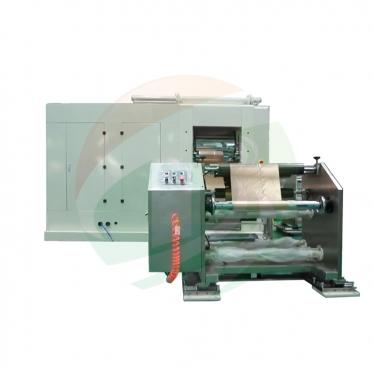
The coated and dried electrode webs are compacted to the target density. Uniform calendering is essential for electrode porosity control, which directly influences both energy density and rate performance.
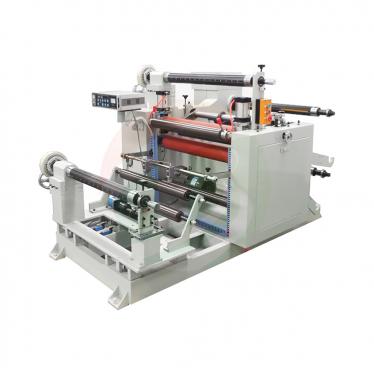
3. Slitting
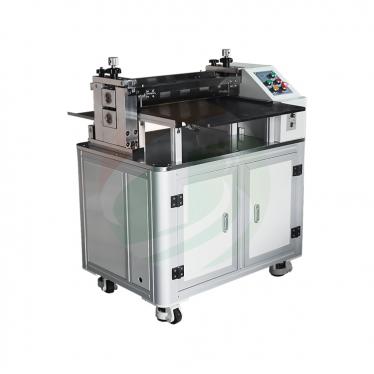
The calendered webs are slit to the precise electrode widths required for the 21700 tabless jelly roll. Slit quality is critical: a clean, burr-free cut edge is the foundation of the tabless architecture, because the slit edge will later become part of the foil fringe that carries the full cell current.
4. Electrode Edge Cleaning (Laser Ablation)
This is the first tabless-specific step. The coated electrode web is selectively cleaned at the edge zones by laser ablation, removing the active coating to expose the bare foil over a controlled width along the full length of the strip. The exposed foil region will become the current-collection fringe. The cleaning process must remove the coating completely without thinning, pitting, or overheating the 8–15 µm foil.
5. Burr Inspection (Optional In-Line)
The slit and cleaned edges may be verified in-line for burr height before winding, using high-magnification vision inspection, to prevent burr-induced short circuits downstream.
Stage 2 — Cell Assembly Section
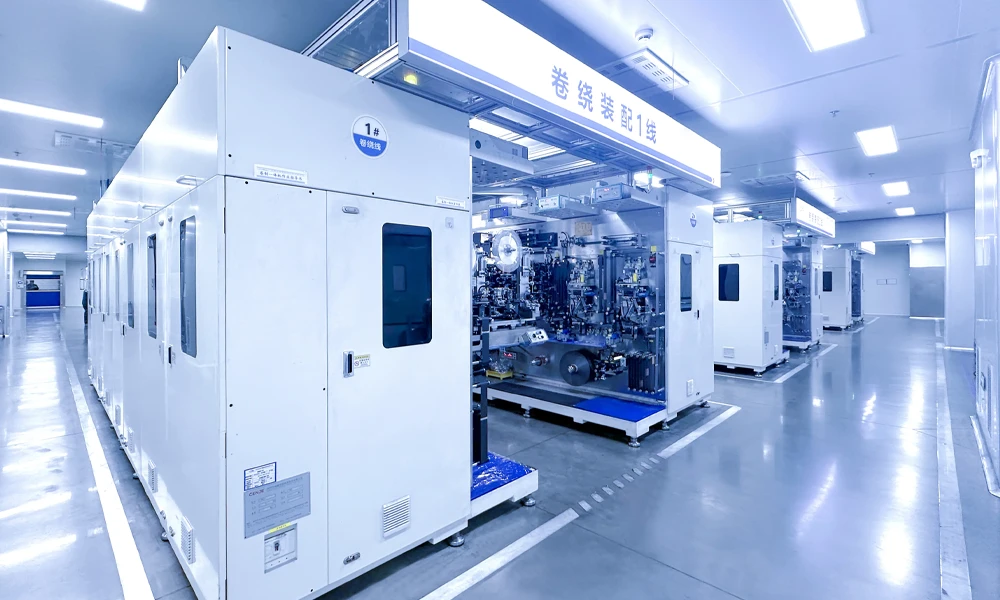
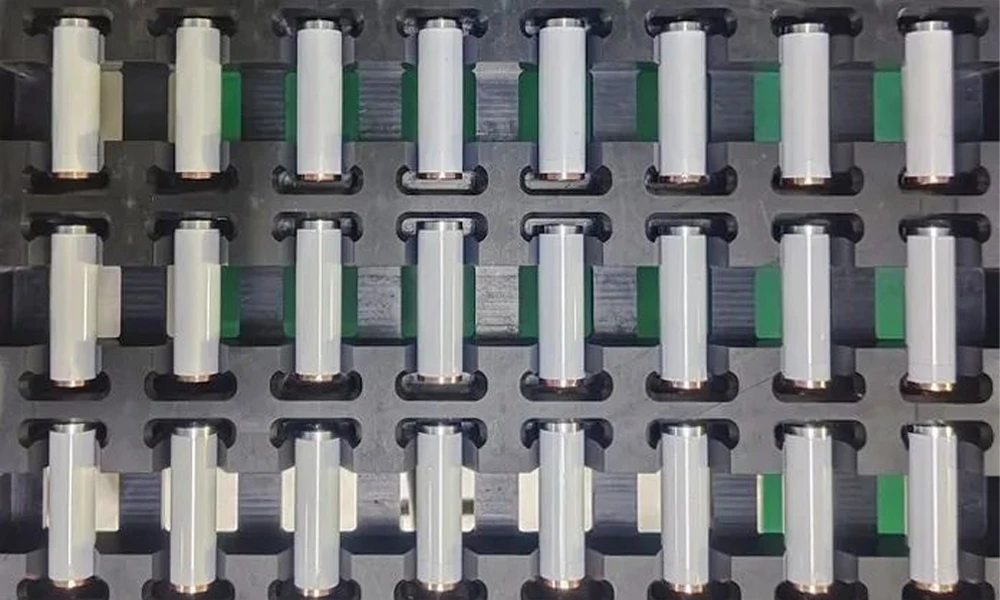
The cleaned cathode strip, separator, and cleaned anode strip are wound together on a tabless winding station. The winding process must produce a jelly roll whose uncoated foil edges form an even, uniform "flower-fringe" at both ends, with the exposed foil distributed regularly around the full circumference. Edge-alignment control (typically within ±0.3 mm) determines the uniformity of this fringe, which in turn determines the quality of the subsequent collector weld.
7. Collector-Disc Laser Welding
The two most tabless-critical stations of the line. A positive collector disc is welded to the exposed cathode foil fringe at one end of the jelly roll, and a negative collector disc is welded to the anode fringe at the other end. The laser weld must join the full annular fringe to the disc with low and uniform contact resistance, without burning through the thin foil. Closed-loop weld monitoring and 100 % weld inspection ensure that every cell's current path is complete and low-resistance.
8. Can Insertion and Insulation
The welded jelly roll is inserted into the 21700 steel or aluminum can. Top and bottom insulation components (including a top insulation ring) are placed to isolate the electrodes from the can and cap, following the standard cylindrical cell insulation scheme.
9. Cap Welding / Sealing
The cap assembly—carrying the current-interrupt device (CID) and vent—is laser-welded to the can to form the hermetic enclosure. The seal is verified to meet the leak-rate specification.
10. Electrolyte Filling
The cell is filled with electrolyte under vacuum to ensure complete wetting of the tabless jelly roll. Accurate fill-volume control and wetting management are essential for consistent cell performance.
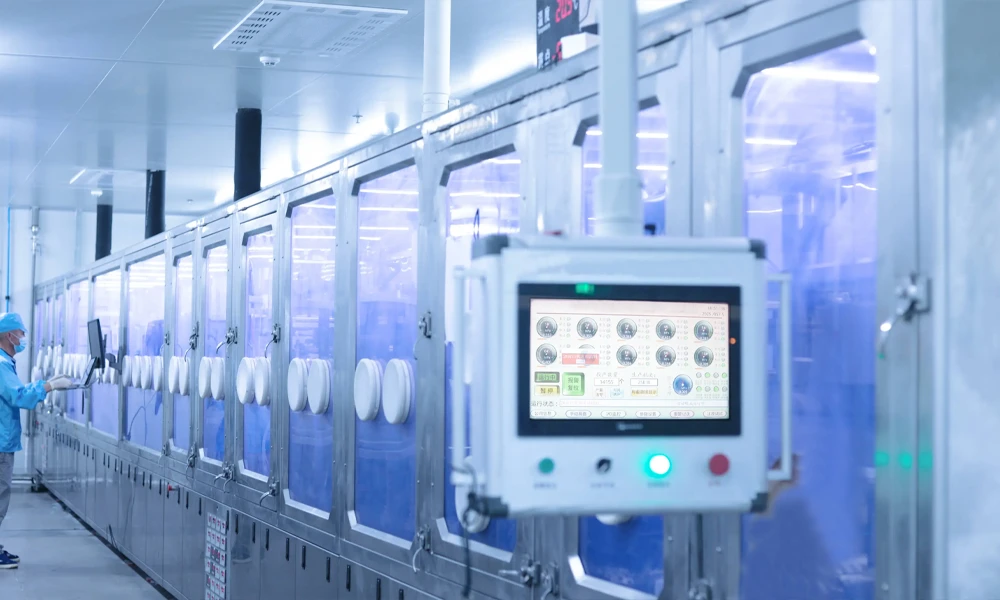
Stage 3 — Formation, Grading, and Aging (In-Line)
11. Formation
The filled cells undergo the first controlled charge-discharge cycles to form a stable SEI. Formation is performed under the temperature and pressure conditions appropriate for the high-rate cell design. For tabless cells, uniform formation current distribution is supported by the low-resistance architecture itself.
12. Degassing and Re-Sealing
Gases generated during formation are removed in a degassing step, and the cell is re-sealed. For tabless cells, this step follows the same sequence as conventional cylindrical cells but with the can-top structure of the tabless cap design.
13. Grading and Aging
Each cell is capacity-graded and its ACIR/DCIR is measured, with cells sorted into tight bins. For drone packs, cells must be matched within a narrow tolerance in both capacity and internal resistance. The in-line grading produces the data for traceability and the matched-cell supply that drone pack assembly requires.
14. Final Inspection and Output
Cells are visually and electrically inspected, and the finished, graded cells are output for packaging or direct pack assembly.
Key Engineering Advantages of the Tabless Line Architecture
- Low Internal Resistance Through Full-Edge Current Collection - The tabless architecture eliminates the discrete tab bottleneck. The entire foil edge conducts current to the collector disc, reducing DCIR compared to conventional tabbed cells of the same format. For a drone cell, this translates into a flatter discharge voltage under high load, higher usable capacity at high rates, and less heat generation.
- High Continuous and Pulse Discharge Capability - Because current is collected uniformly around the full roll circumference rather than through a few narrow tabs, the cell can sustain high discharge rates (drone-relevant 10C–20C+ ranges) with reduced localized heating and current crowding. This is the core reason the 21700 tabless architecture is being adopted for high-drain applications.
- In-Line Formation and Grading for Drone-Ready Cell Consistency - The line integrates formation, degassing, grading, and aging in a single continuous flow. Every cell receives the same formation history, and the grading section sorts cells into tight capacity/DCIR bins. For multi-cell drone packs, this in-line consistency is what makes balanced, reliable packs possible.
- Fully Automatic, Traceable Process - The entire line operates under automatic control with in-process inspection at the critical stations (edge cleaning, collector weld, seal). Process and quality data are recorded for each cell, supporting the traceability and quality documentation required by drone OEM customers.
- Laser Cleaning and Collector Welding Purpose-Built for Tabless Cells - The line's two tabless-defining processes—foil-edge laser cleaning and annular collector-disc laser welding—are designed specifically for the foil-fringe geometry. Closed-loop weld control and 100 % inspection address the failure modes (incomplete weld, foil burn-through, uneven contact) that are unique to tabless construction.
- Compact Integrated Footprint - By integrating the electrode section, cell assembly, and formation/grading in one flow, the line reduces work-in-progress handling, minimizes the moisture exposure of dry electrodes between sections, and shortens the overall production lead time from electrode to graded cell.
Tabless vs. Conventional Tabbed 21700 — Process Comparison
| Process Area | Conventional Tabbed 21700 Line | TOB Tabless 21700 Line |
| Current collection | Discrete tabs welded to foil edge | Full-width uncoated foil fringe at both roll ends |
| Tab welding | Multiple tab-to-foil and tab-to-cap welds per cell | One annular collector-disc weld per end |
| Pre-winding edge treatment | Tab notching at defined positions | Continuous full-edge laser cleaning |
| Internal resistance | Higher (tab bottleneck) | Lower (full-edge path) |
| High-rate capability | Limited by tab current density | High (uniform current distribution) |
| Winding alignment control | Tab position control | Full-fringe edge alignment (≈ ±0.3 mm) |
| Formation/grading | Often off-line | In-line (this line) |
| Typical drone benefit | — | Higher sustained power, less heat, flatter discharge |
Common Quality Challenges and How the Line Addresses Them
| Challenge | Root Cause | Line Solution |
| Collector weld failure or high weld resistance | Foil fringe contamination, oxide, or uneven fringe | Laser edge cleaning removes coating/oxide; closed-loop weld power; 100 % weld inspection |
| Foil burn-through during collector welding | Excessive laser energy on thin foil | Penetration-depth control and weld-energy monitoring |
| Uneven foil fringe (asymmetric flower pattern) | Winding edge misalignment | Servo tension control + edge-guide alignment (≈ ±0.3 mm) |
| Internal short circuit from burrs | Slitting burrs on foil edge | Precision slitting + in-line burr inspection |
| Cell-to-cell inconsistency in drone packs | Uncontrolled formation/grading | In-line formation, grading, and tight binning |
| Seal leakage | Cap weld defects | Laser seal welding + leak-rate verification |
Engineering FAQ
Q1: What is a tabless (full-tab) cell, and why is it used for drones?
In a tabless cell, the uncoated current-collector foil edges extend across the full electrode width and are exposed as a continuous fringe at each end of the jelly roll. This full edge is welded to a collector disc, so the entire circumference conducts current instead of a few narrow tabs. For drones, this means lower internal resistance, higher sustained discharge current, less localized heating, and a flatter voltage curve under load—delivering the high power that drone motors draw while minimizing energy loss.
Q2: What is the production capacity of the line?
The line has a nominal design output of approximately 8–15 cells per minute at the assembly section (about 4,000–7,000 cells per 8-hour shift), with an annual design capacity on the order of 3–6 million cells per year at 80 % OEE. The electrode section is sized to feed the assembly throughput. The exact figure is finalized during the engineering-quotation stage based on the cell design, electrode recipe, and configuration.
Q3: Does the line include the electrode manufacturing section?
Yes. The line scope includes the electrode manufacturing section (coating, calendaring, slitting) through to cell assembly, electrolyte filling, formation, degassing, grading, and aging. Electrode slurry mixing is not included; the line receives prepared slurries. This integrated scope provides a single-vendor, single-flow solution from coated electrode to graded finished cell.
Q4: Are formation and grading performed in-line?
Yes. Formation, degassing, grading, and aging are integrated in-line in the same continuous production flow. This ensures that every cell receives an identical formation history and that the finished cells are capacity- and DCIR-graded into tight bins before output—essential for the matched-cell supply that drone packs require.
Q5: What is the automation level of the line?
The line is fully automatic from electrode unwinding through cell output. Material handling between stations, process control, and in-process inspection are automated, with the process and quality data recorded for traceability. Operator involvement is limited to supervisory, material replenishment, and maintenance functions.
Q6: What is the target market of this line configuration?
This configuration is purpose-tuned for drone battery cells, where the combination of high gravimetric energy density, high rate discharge, low internal resistance, and tight cell-to-cell consistency is required. The same line architecture can be reconfigured (electrode recipe, cell design parameters, formation profiles) for other high-rate cylindrical applications such as power tools, e-mobility, and high-rate energy storage.
Q7: What are the main differences between this tabless line and a conventional tabbed 21700 line?
Three process areas differ: (1) electrode edge cleaning by laser ablation to expose the full-width foil fringe, replacing discrete tab notching; (2) tabless winding that produces an even foil fringe at both jelly-roll ends; and (3) collector-disc laser welding that joins the full annular fringe to the current collector, replacing multiple discrete tab welds. The rest of the line follows standard cylindrical cell processing, integrated here with in-line formation and grading.
Ready to build a fully automatic 21700 tabless cylindrical cell line for high-rate drone battery production? Contact our cylindrical cell line engineers with your target cell design, capacity requirement, and facility layout. We will provide a technical proposal covering the electrode section, cell assembly modules, in-line formation/grading, and the utility requirements for your site.
tob.amy@tobmachine.com | +86 181 2071 5609
You May Also Need
▶ Laser Welding Machine for Cylindrical Tabless Battery Current Collectors - The collector-disc welding station used in the tabless line. A dedicated laser welding machine that joins the full annular foil fringe to the current collector disc with closed-loop weld control, delivering the low-resistance, high-current path that defines tabless cell performance.
▶ 4680/4690 Tabless Cylindrical Cell Production Line - A larger-format tabless cylindrical cell production line from the same TOB platform. Shares the tabless process architecture (edge cleaning, tabless winding, collector welding, in-line formation/grading) scaled for the 4680/4690 format, complementing the 21700 line when a multi-format production strategy is required.
▶ Large Cylindrical Tabless Battery Jelly-Roll Flattening Machine - A jelly-roll flattening (pre-compaction) machine that shapes the wound tabless roll to a controlled oval/round profile before can insertion. Improves the fit of the tabless jelly roll in the can, stabilizes the foil fringe for collector welding, and reduces internal stress during assembly.
Previous:
4680 4690 Tabless Battery Cylindrical Cell Production LineNext:
18650 Cylindrical Cell Battery Assembly Line
If you are interested in our products and want to know more details,please leave a message here,we will reply you as soon as we can.


 subscribe to us